Why the Same Landmark Produces the Same Photo
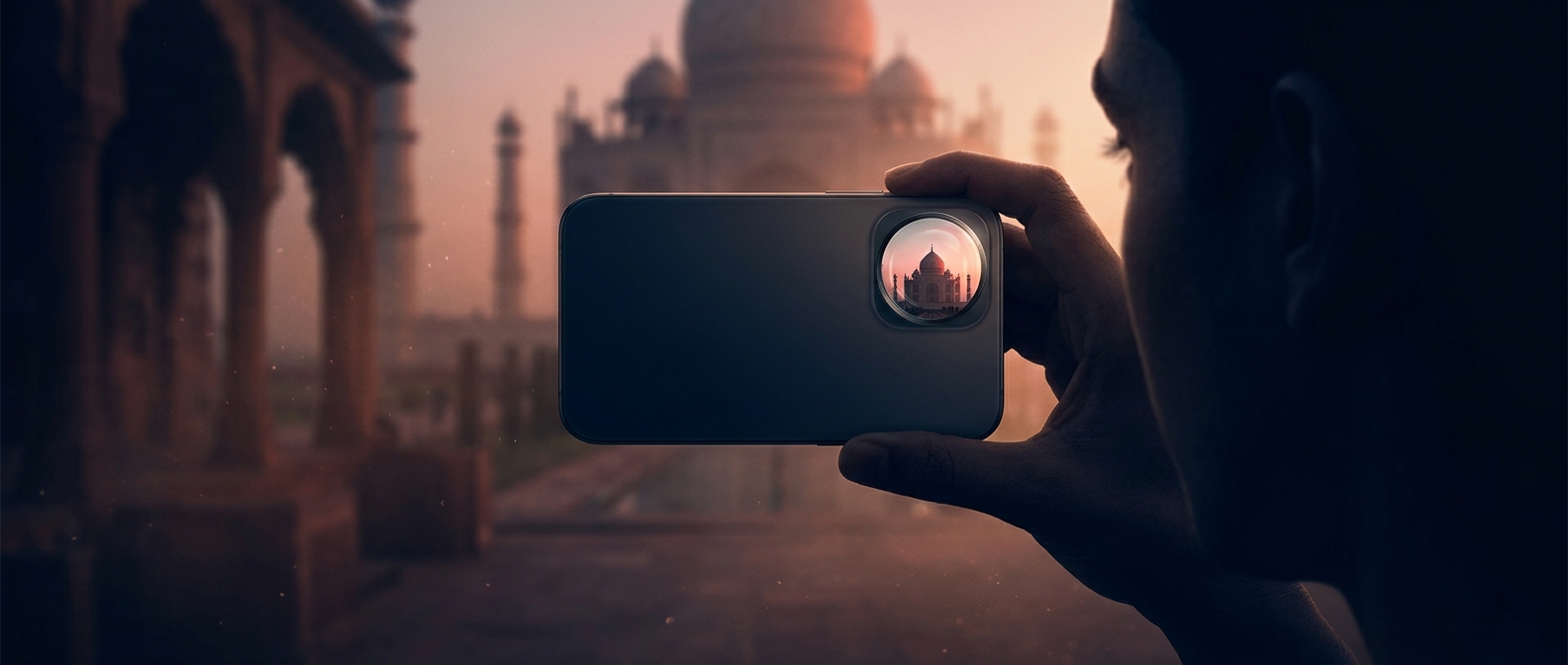
A famous monument works as a kind of visual shorthand: viewers recognize it instantly, so the traveler does not need to explain where the picture was taken. That makes the landmark valuable as proof of presence, not just as something to look at. The camera is aimed toward the view that makes the monument easiest to identify, and visitors tend to gather wherever that view is open and unobstructed.
Once a few familiar compositions circulate online, they become informal instructions. Stand here, put the landmark behind you, hold the phone high enough to fit it in, and smile. No one has to coordinate for the results to resemble one another; the location, the frame, and the purpose of the image are already shared.
The Crowd Is Part of the Picture
Those identical choices also shape what happens on the ground. A popular viewpoint concentrates people into a small number of photo-ready spots, where each visitor waits for a clear frame while the next person prepares to take the same one. The phones and selfie sticks are not merely recording the crowd. They help create a repeating choreography: step into the view, pose, take several shots, then make room.
That is why the scene can feel stranger than the monument itself. The landmark remains fixed, while hundreds of people independently perform variations on one familiar image. Look away from the camera frame, and the most revealing souvenir may be the crowd copying its invisible template.