Why a staged insult can feel funny
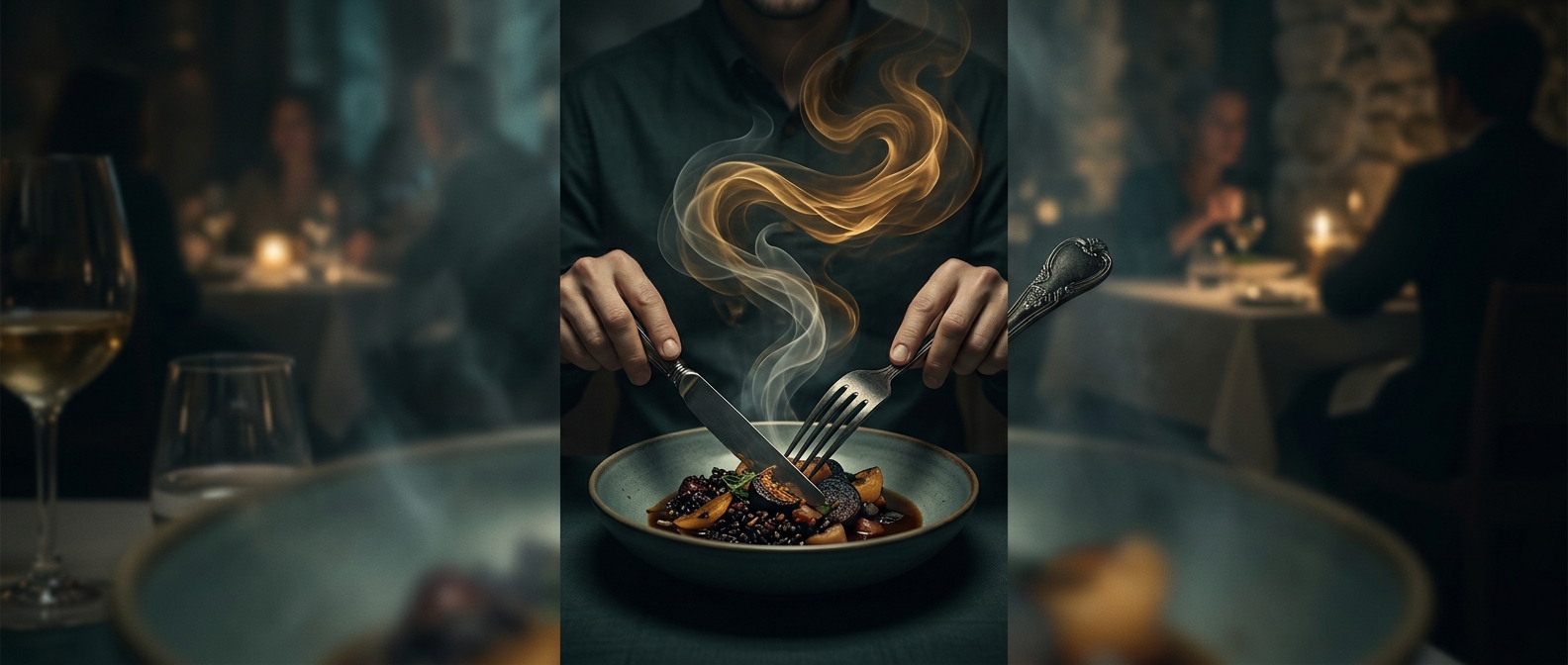
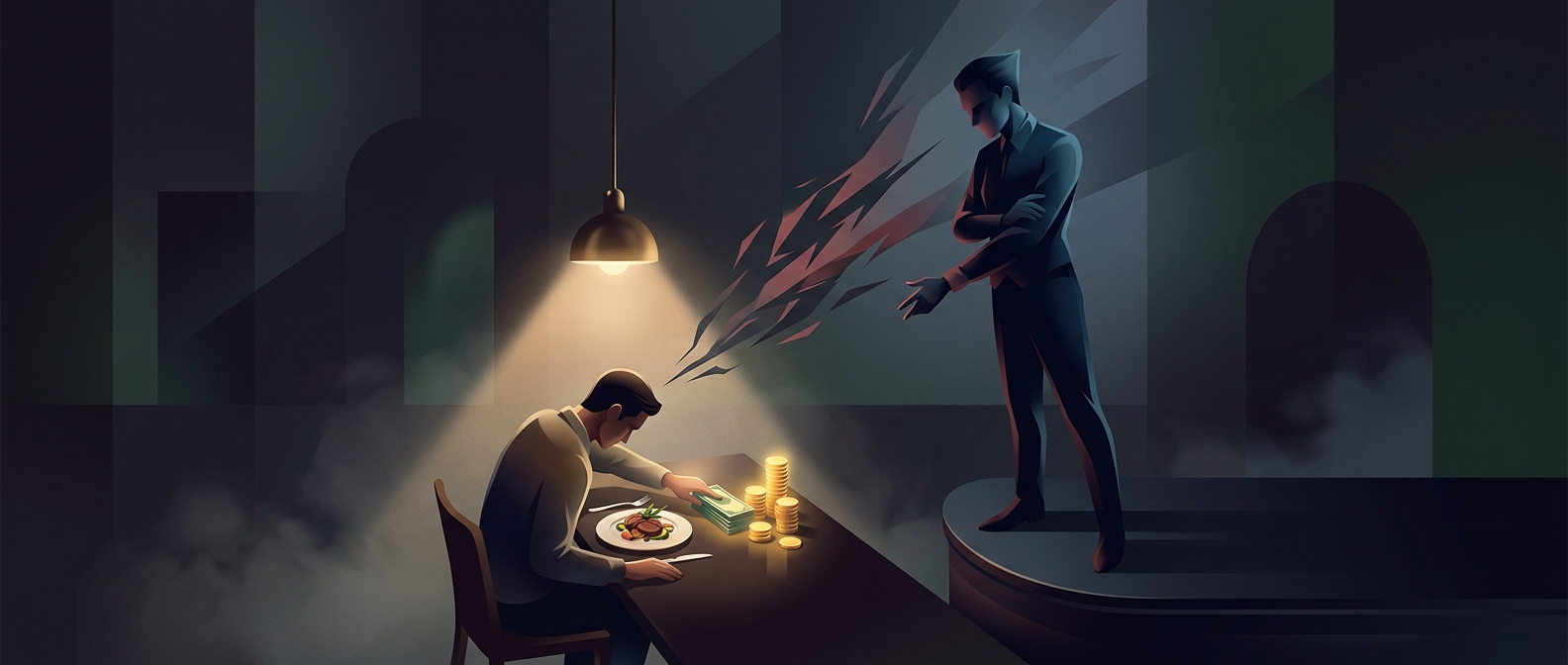
An insult normally signals a social threat: someone is rejecting, judging, or trying to put you in your place. In a deliberately rude dining experience, the same sharp words arrive inside a different frame. The setting, the staff’s exaggerated manner, and the other diners’ reactions all suggest that the insult is an act, not a sincere verdict on you.
That gap between the words and their apparent intent creates the comic jolt. The remark briefly sounds hostile, then the theatrical context makes it safe enough to enjoy. Psychologists sometimes describe this pattern as a benign violation: a boundary seems to be crossed, but the situation also signals that no real harm is intended.
The rules make the risk manageable
For the joke to work, diners need some confidence that the performance has limits. They may expect teasing, but not a genuine attack on a vulnerability or a confrontation they cannot leave. That sense of control lets people lean into the surprise rather than spend the meal wondering whether the server truly dislikes them.
The audience matters, too. A table that laughs can confirm that a remark belongs to the shared performance; a guest who looks uncomfortable can change the mood immediately. The staff are not merely delivering insults—they are reading reactions and keeping the line between comic rudeness and personal disrespect visible.
That boundary is why the experience depends on context. A cutting comment can be entertaining when everyone understands its role, yet painful when the same words arrive without warning or permission. The memorable part is not simply being insulted; it is watching a social rule bend, briefly, without the relationship actually breaking.