Why classical music changed the feel of a station
A station is designed for movement: arrive, wait briefly, board, leave. But when people linger in corners or gather in poorly supervised areas, transit staff may have fewer ways to discourage trouble without escalating a confrontation. Playing music offers a low-contact intervention. It changes the atmosphere continuously, without requiring an employee to approach anyone.
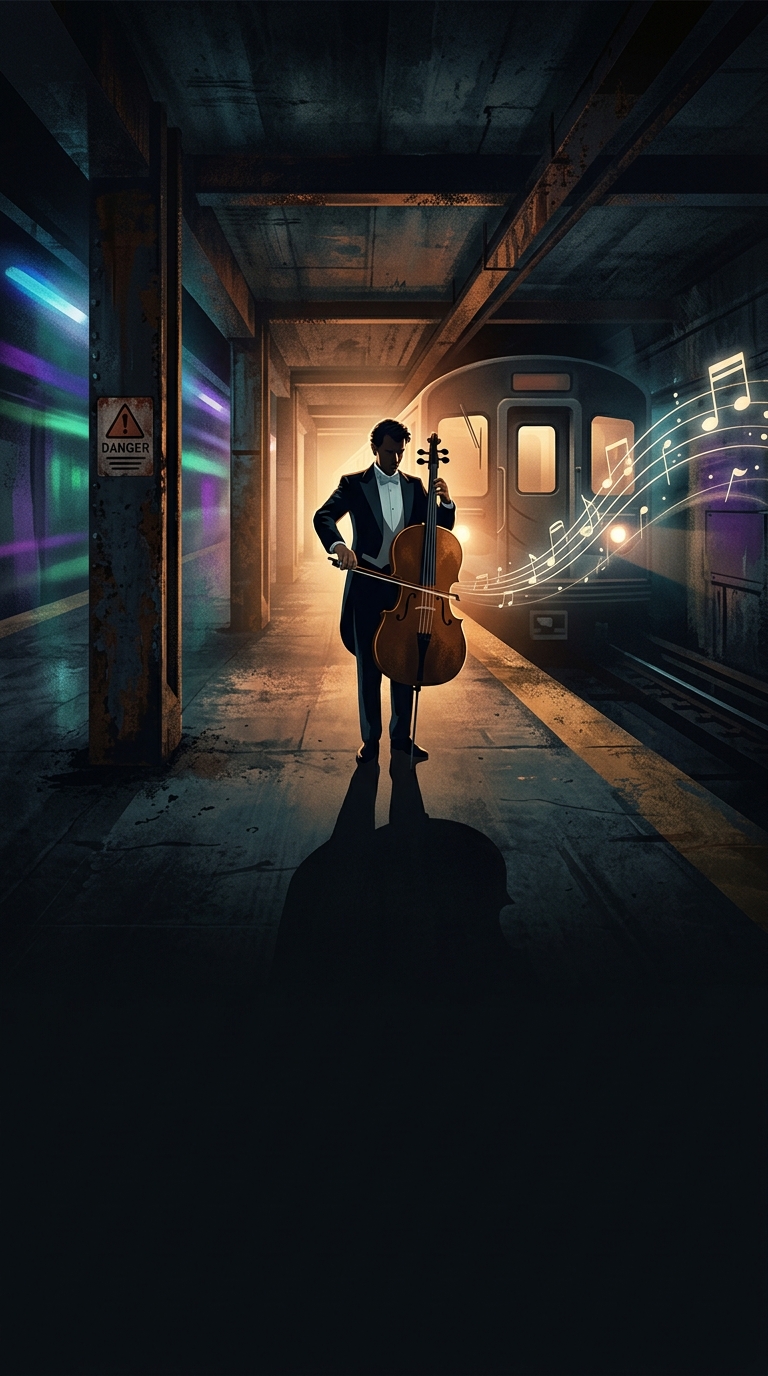
Classical music can seem out of place amid brakes, announcements, and passing crowds. That contrast is part of its effect: it makes the station feel less like an informal hangout and more like a managed public space. The music also fills quiet gaps where groups might otherwise settle in, while signaling that the area is actively maintained.
The result—and its limits
Transit systems have used recorded music in an effort to reduce loitering, vandalism, and other antisocial behavior, and some have reported fewer problems after introducing it. The mechanism is indirect: music does not identify a particular offender or physically prevent misconduct. Instead, it may make lingering less appealing and support a sense of oversight.
That makes the tactic attractive compared with constant staff intervention, but it is not a substitute for staffing, maintenance, or safety measures. Its most striking implication is how little infrastructure it requires: a sound system can alter how a public space is used simply by changing what it feels like to spend time there.