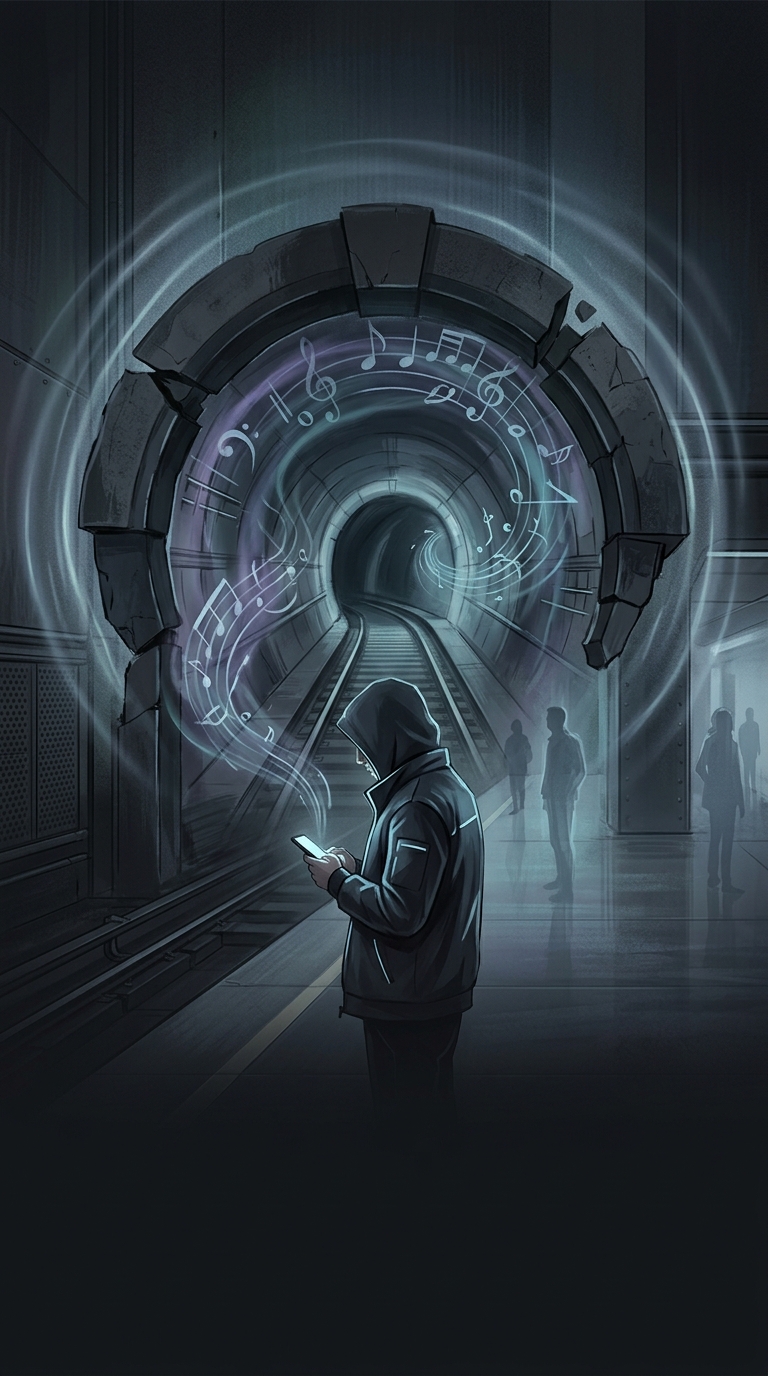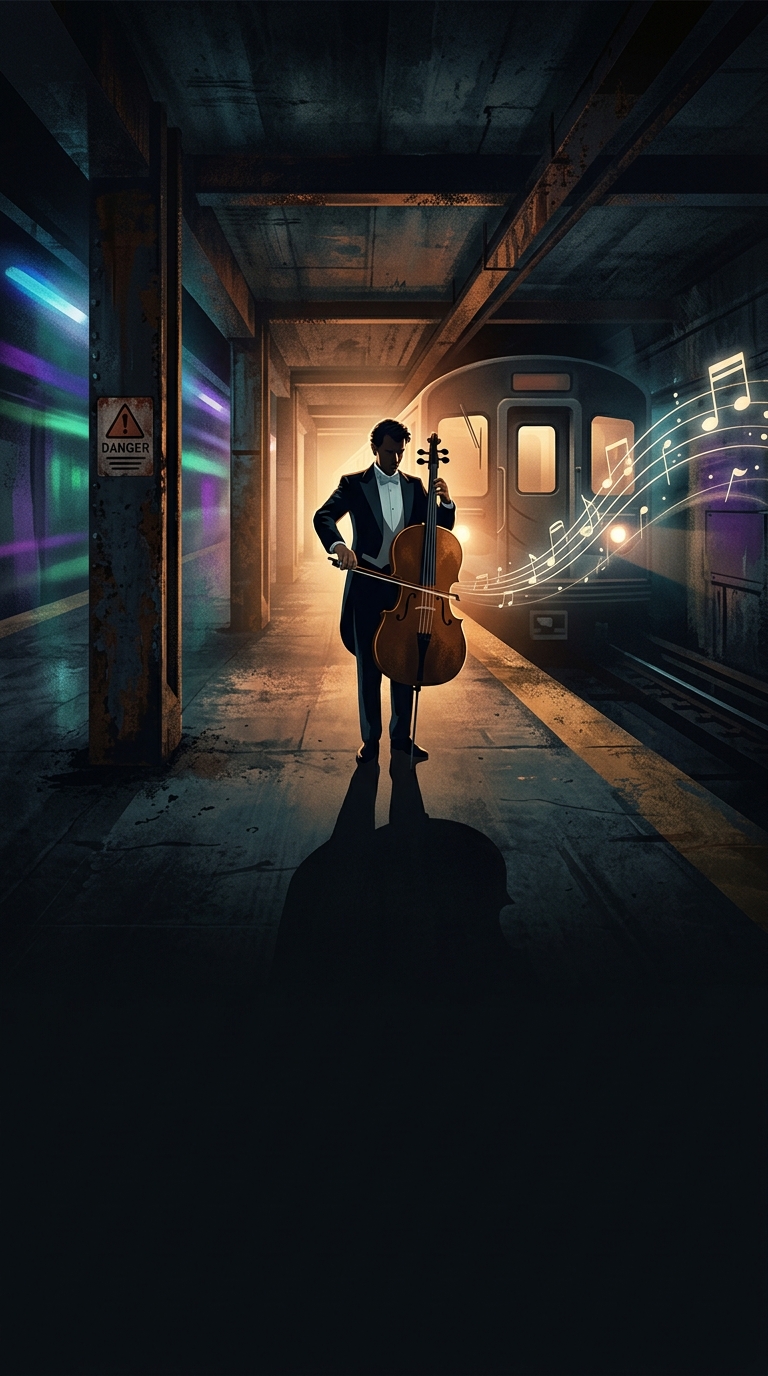
How classical music becomes a transit-station deterrent
A station that plays classical music over its speakers may be using sound as a form of environmental design: changing how a place feels in the hope of changing how people use it. Transit agencies and property managers have tried this in locations troubled by loitering, vandalism, or other disruptive behavior.
The idea is not that the music physically prevents wrongdoing. Continuous, conspicuous music can make a space less comfortable for people who want to linger, and it can signal that the station is being actively managed. That may discourage some groups from gathering there. Classical music is one choice because it is familiar, readily available, and often associated with formal settings—a contrast with the noisy, informal atmosphere managers may be trying to discourage.
Why the effect is limited
Sound changes the setting, not the conditions that produced the trouble. A playlist cannot repair poor lighting, improve staffing, address unsafe access, or resolve the reasons people gather in a station. Some people may simply ignore the music or move elsewhere, so a quieter platform does not necessarily mean the underlying problem has been solved.
The tactic also affects everyone nearby. Riders, workers, and local residents may have to hear the same music, and an approach intended to deter loitering can feel hostile to people who are merely waiting or seeking shelter. It is a low-tech attempt to influence behavior—not a substitute for safety measures or a fix for the problems behind it.