Why a car horn has a sharp, two-note voice
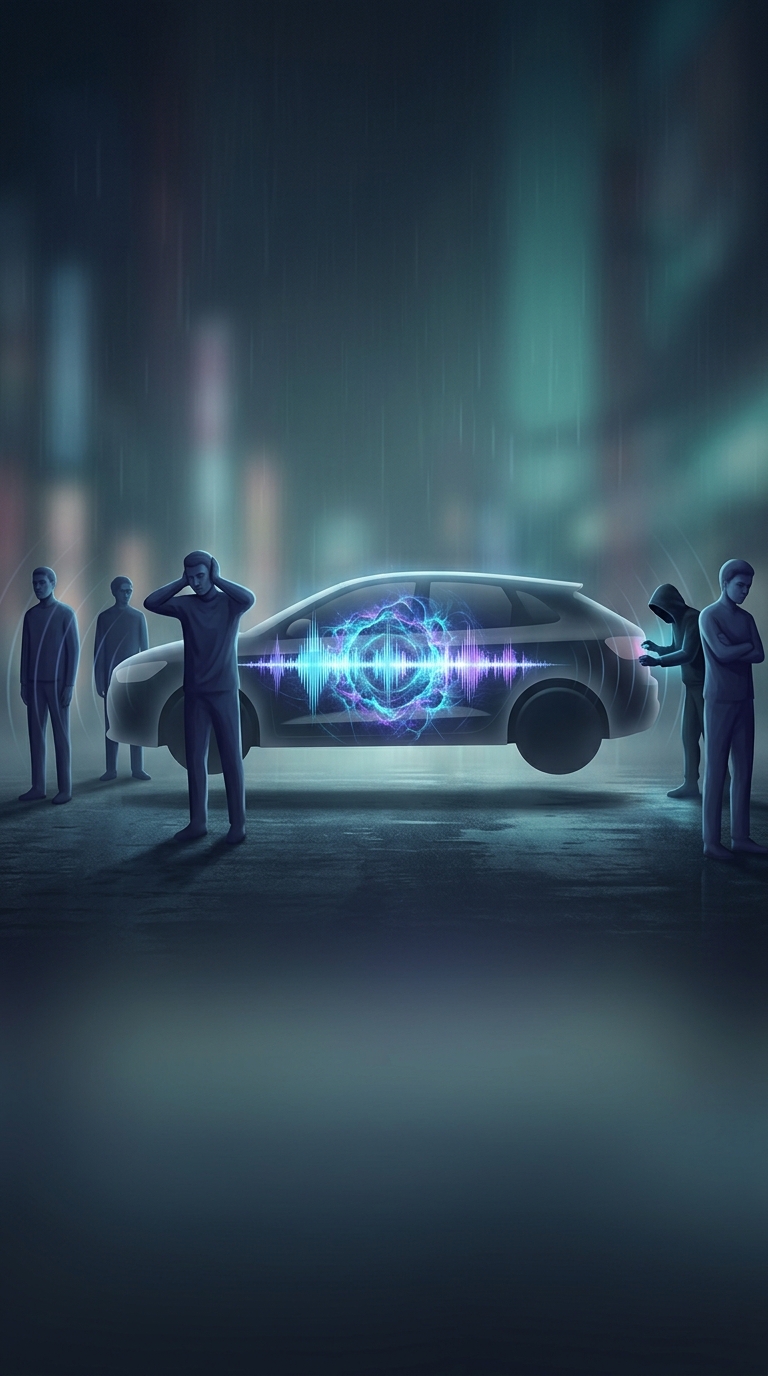
A modern car horn is often a dual-tone horn: two small sound-producing units make notes at different pitches at the same time. Their combined sound is more forceful and distinctive than a single, steady buzz. The pitches are chosen to work together as a recognizable warning, not as a melody meant to be pleasant.
When the driver presses the horn, electrical current energizes a coil inside each unit. The coil rapidly pulls a thin metal diaphragm inward; when the pull stops, the diaphragm springs back. This repeated motion vibrates the air and creates sound. A resonating metal disc or housing helps amplify it, turning a tiny electrical action into a loud blast.
Designed to stand out in traffic
A warning has to reach people who may be surrounded by engine noise, tire noise, or other horns. Combining different pitches gives the sound a fuller, harsher character that is easier to distinguish from a low, continuous rumble. The result is less like an old-fashioned buzzer and more like a brief, unmistakable signal.
That sound is also a compromise: it must be forceful enough to attract attention outside the car, yet compact and simple enough to fit behind the grille and work reliably. So the familiar horn is not just a loud noise. Its paired tones are part of how a short press can cut through the acoustic clutter of a busy street.