A locked door changes the access, not the view
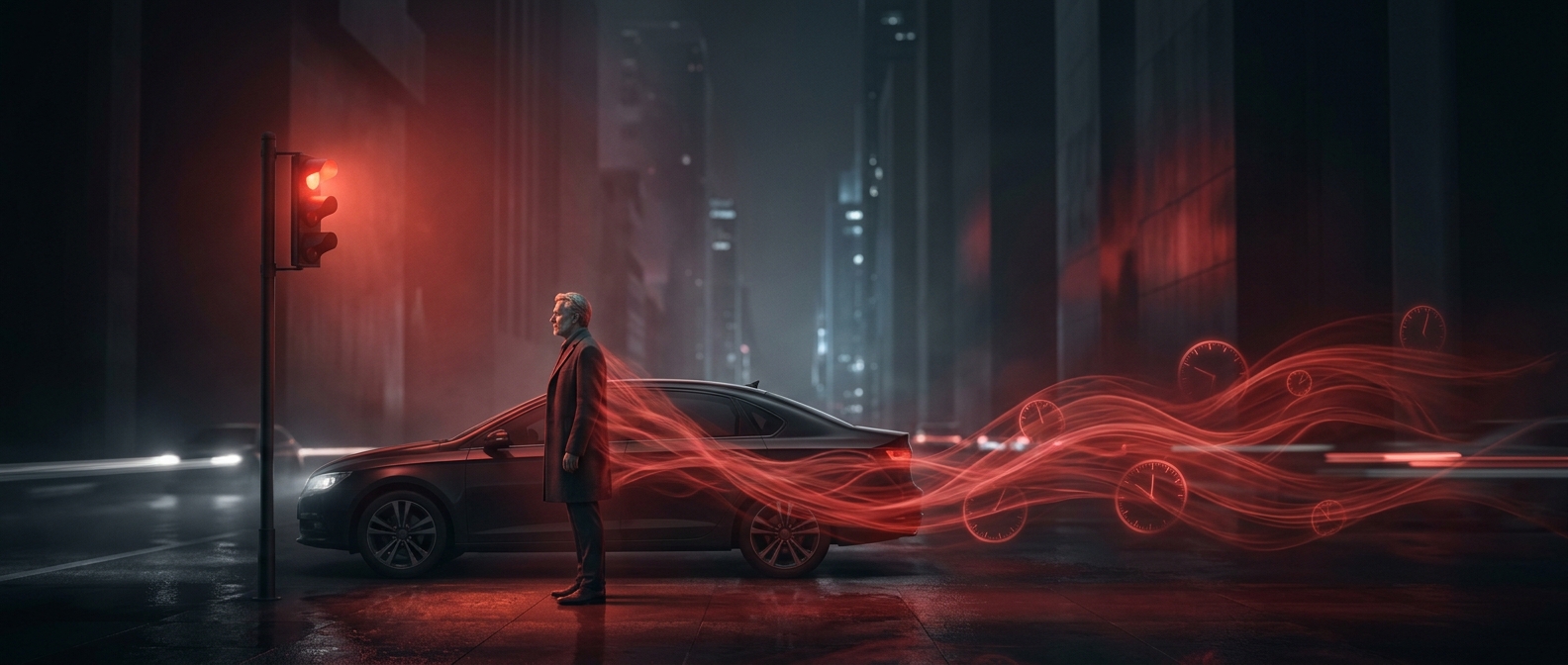
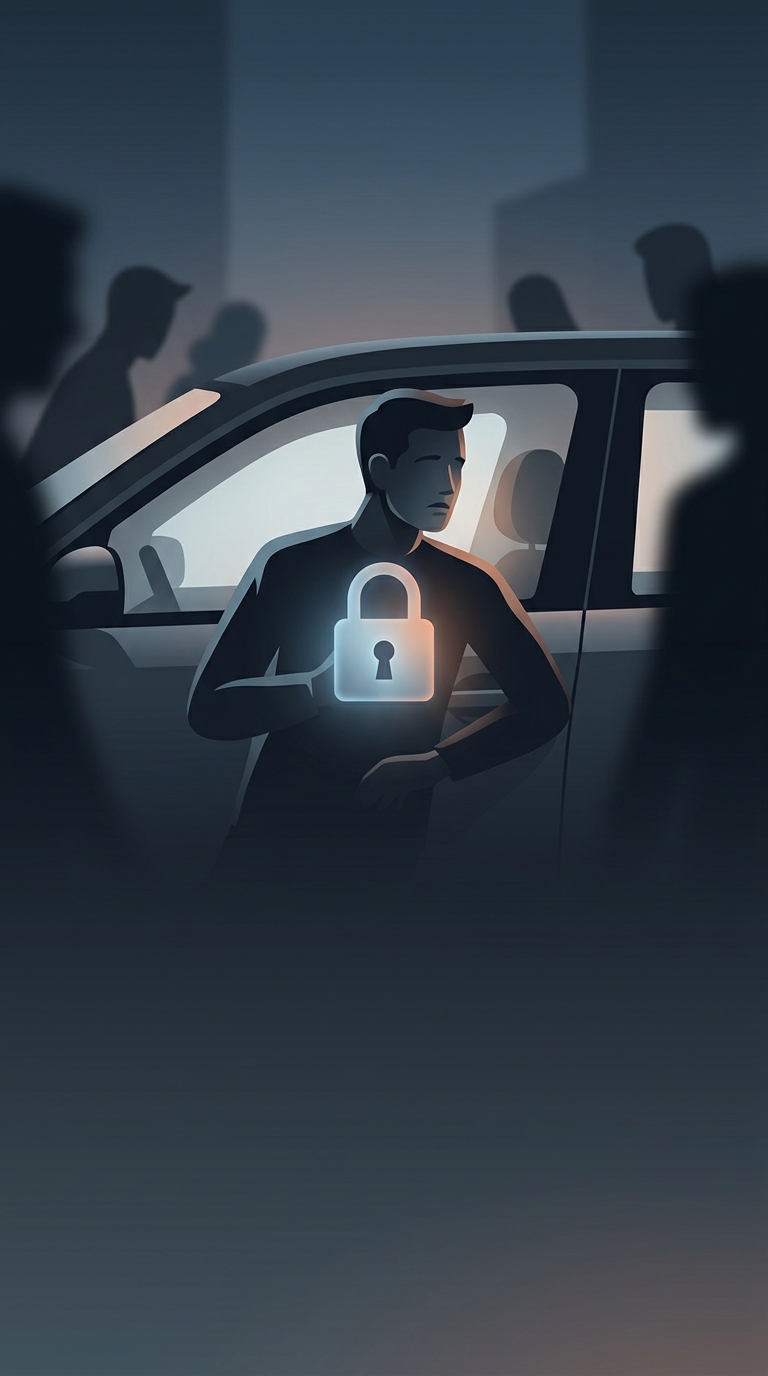
Closed windows can make a car feel sealed off, but they do not stop someone outside from opening an unlocked door. At a stoplight, in slow traffic, or while parked, locking the doors adds a simple physical barrier. The action is especially easy to remember because it takes little effort and can be done without looking away from the road.
A small action answers a fast threat signal
A place that feels uncertain can prompt the brain to scan for possible danger before there is time to weigh it carefully. Locking the doors is a quick, familiar response: it reduces one specific vulnerability and can restore a sense of control. That does not mean the driver has judged a particular person to be dangerous; the cue may be the setting, isolation, or simply the possibility of being approached while stopped.
The habit is most relevant when the car is stationary or moving slowly, when someone could otherwise reach the door. The windows and locks solve different problems: rolled-up glass separates the cabin from the outside, while a locked door prevents it from being opened from outside.