Knowing the routine was enough to look like the operator
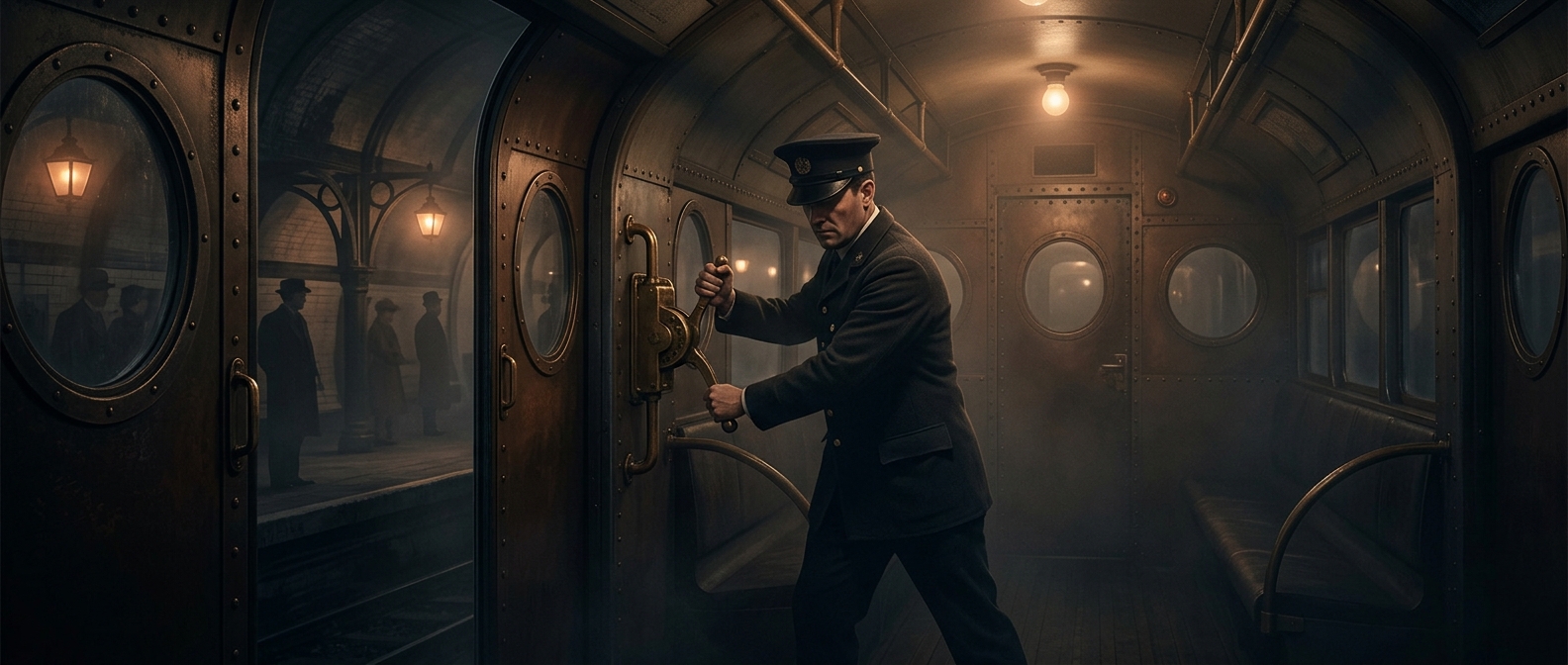
A subway train is not driven by steering through traffic. The operator follows a fixed track, controls acceleration and braking, watches signals, and stops at designated platforms. Much of the work is procedural: the same sequence of checks and actions repeats from station to station. Someone who had studied the manuals and schedules could therefore learn not just what the controls did, but what an employee was expected to do next.
That knowledge mattered because a subway system depends on people recognizing one another as authorized workers. A uniform, confident conduct, and familiarity with routine can make an impostor seem ordinary—especially when other staff encounter only brief moments to verify who is at the controls. McCollum’s command of the system let him blend into that routine long enough to take a train through several stops before his lack of authorization was noticed.
A system built for routine, not improvisation
Train operation still involves safeguards: signals govern movement, and operators must follow established procedures. But safeguards do not make identity checks unnecessary. The vulnerability in this episode was not that the train could be driven without skill; it was that knowing the job well could make unauthorized access look like ordinary work.
That distinction helps explain why the story is more than a tale of an audacious ride. Transit systems need operators who can perform precise, repetitive tasks, but they also need reliable ways to confirm that the person performing them is actually on duty. In a tightly scheduled network, the visible signs of competence can be convincing—even when the authority behind them is not real.