Why a Toy Became a Street-Use Problem
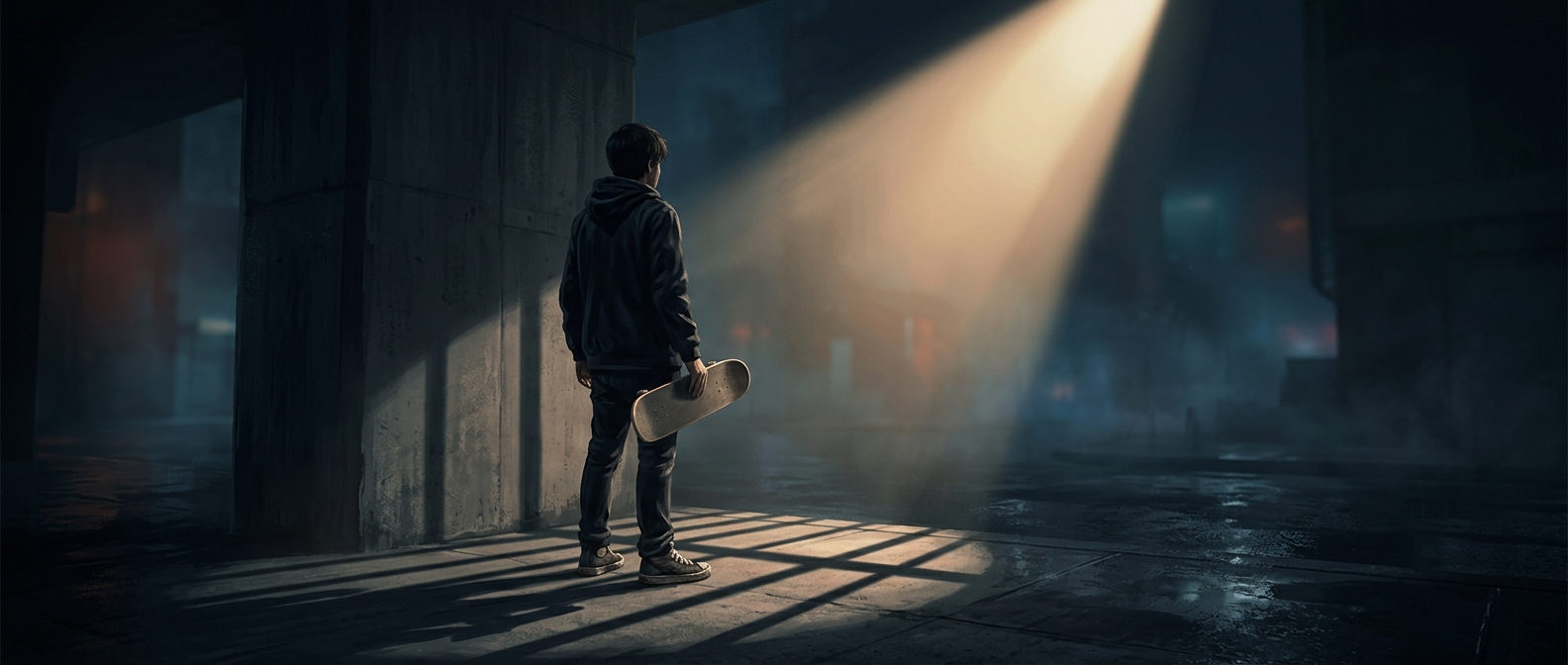
A skateboard looks like a plaything, but riding one in public turns it into a small, fast-moving form of transportation. That shift brought riders into spaces already governed by rules: sidewalks meant for pedestrians, streets organized around motor traffic, and private property where owners could restrict access.
The conflict was practical as well as legal. A skateboard has no handlebar or built-in braking system; the rider controls speed and direction by shifting weight and pressing a foot to the ground. On a crowded sidewalk, quick turns and sudden stops can put pedestrians at risk. In traffic, a rider is exposed and moves differently from cars and bicycles, making shared space harder to manage.
How Rules Turned Riding Into an Offense
Authorities could respond by restricting where skateboards were allowed, or banning their use in particular public areas. Once a rule prohibited skating in a place, riding there was no longer merely frowned upon: it could be treated as a violation and bring enforcement. That is the sense in which skateboarding acquired a “rap sheet”—not because the board itself was contraband, but because its use collided with local rules about public space.
The deeper issue was that cities had familiar categories for pedestrians and vehicles, but skateboards fit awkwardly between them. Where riders could go—and whether a skateboard counted as a vehicle, a toy, or something else—shaped whether it was seen as ordinary recreation or a public-order problem.