How passengers change the sound of a subway
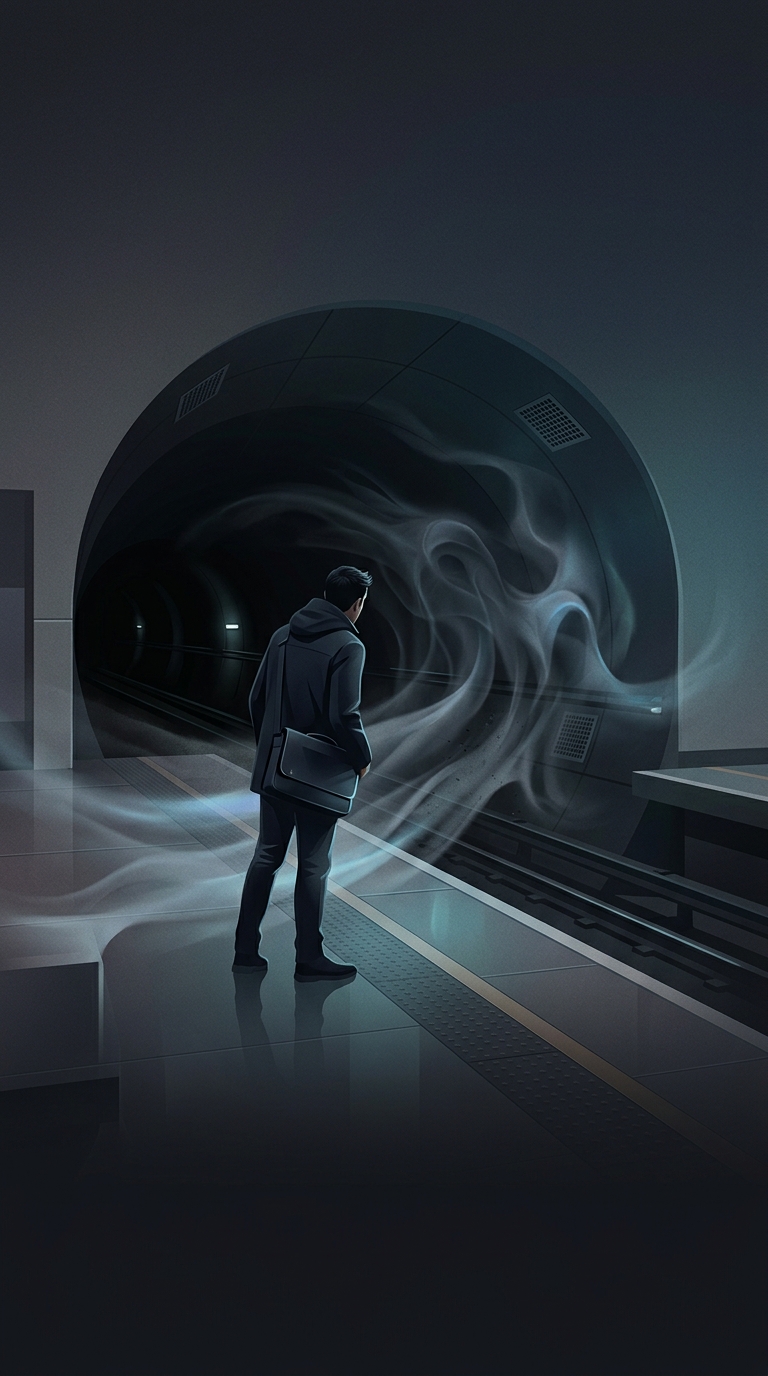
A train’s wheel squeal is produced when a wheel rubs against the rail, often as the train negotiates a curve. The resulting high-pitched vibration can bounce around a tunnel, where hard surfaces reflect sound instead of soaking it up. That is why a squeal can seem to hang in the air long after the train has passed.
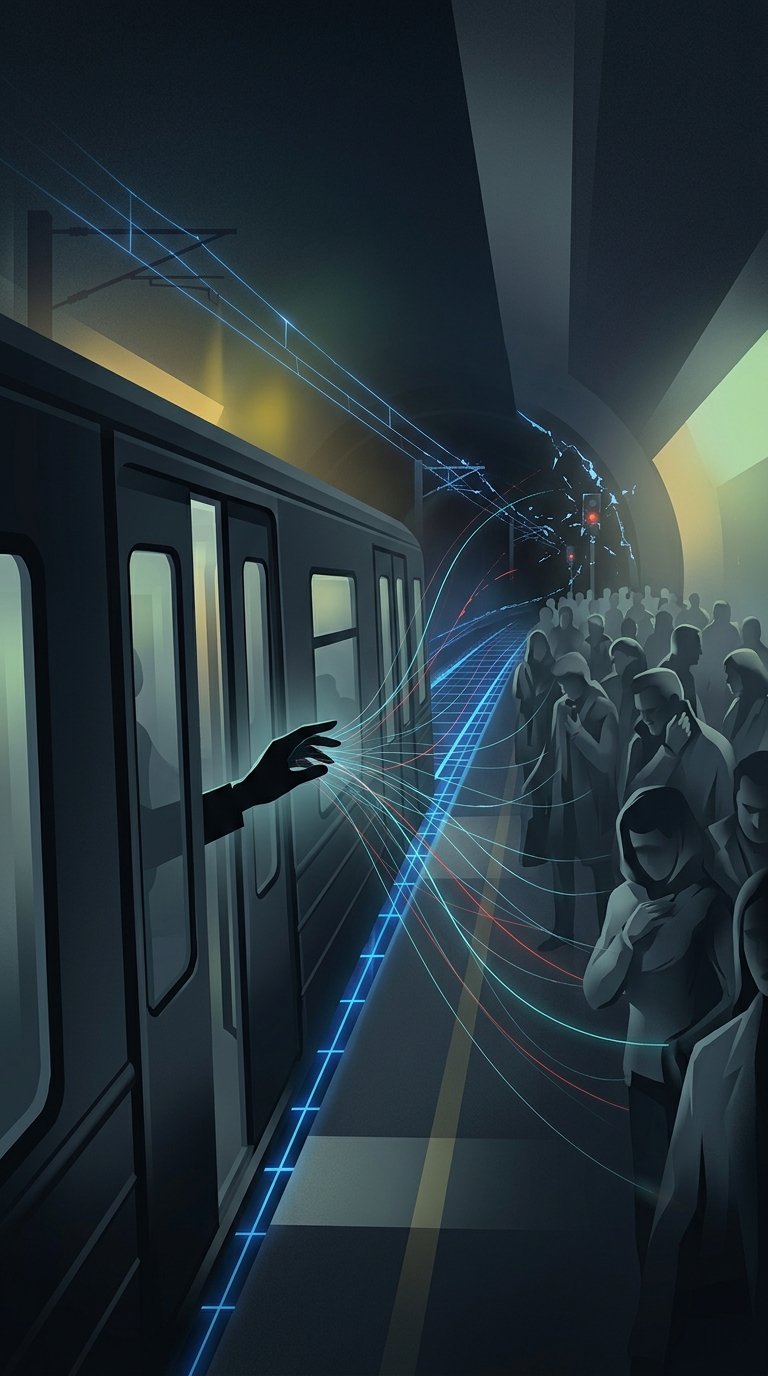
The biological element is the people in the space. Bodies and clothing absorb some sound energy, especially at higher frequencies. In a busy station or a crowded car, passengers can therefore soften and shorten parts of the sound that would otherwise keep reflecting between bare surfaces.
The tunnel still does most of the amplifying
This effect does not stop people from hearing wheel squeal, and passengers do not cause the wheels to squeal. The sharp tone begins at the wheel–rail contact; the tunnel’s shape and hard materials determine how it reverberates. The number and placement of people can change the sound’s reflections, but the effect depends on where the listeners are and how crowded the space is.
That makes the same train sound different in an empty station and a packed one: the squeal’s source may be unchanged, while the living crowd helps reshape what reaches the ear.