The train pushes air ahead of it
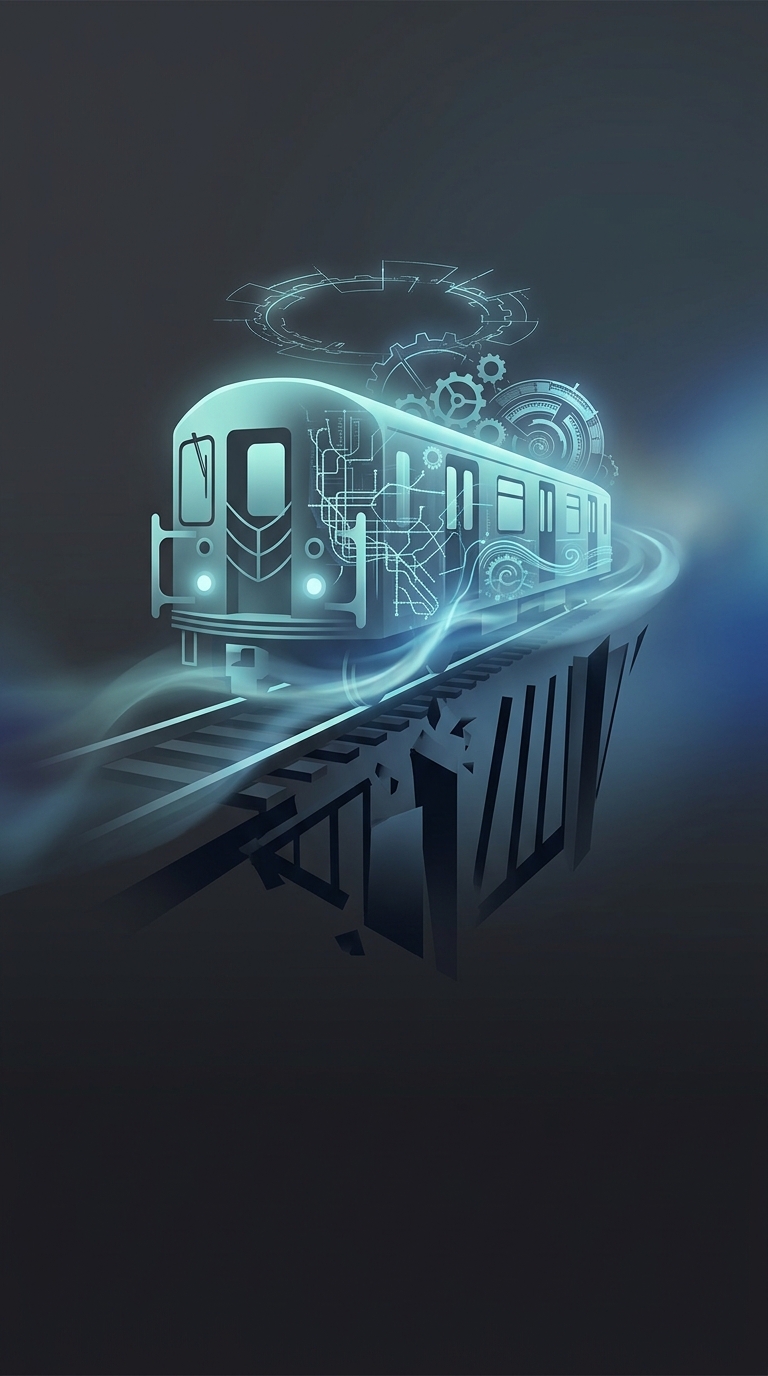
A subway train does not simply arrive in still air. Its body fills much of the tunnel, leaving only a relatively narrow passage around it. As the train moves forward, it shoves the air in front of it through that passage. The air has to move somewhere, so it is driven toward the station and out along the platform.
This moving pocket of air is often called a piston effect: the train acts rather like a piston sliding through a cylinder, pushing air ahead and drawing air behind. The closer the fit between train and tunnel, the less room there is for air to slip around the train, and the stronger the airflow can feel.
Why the gust reaches you first
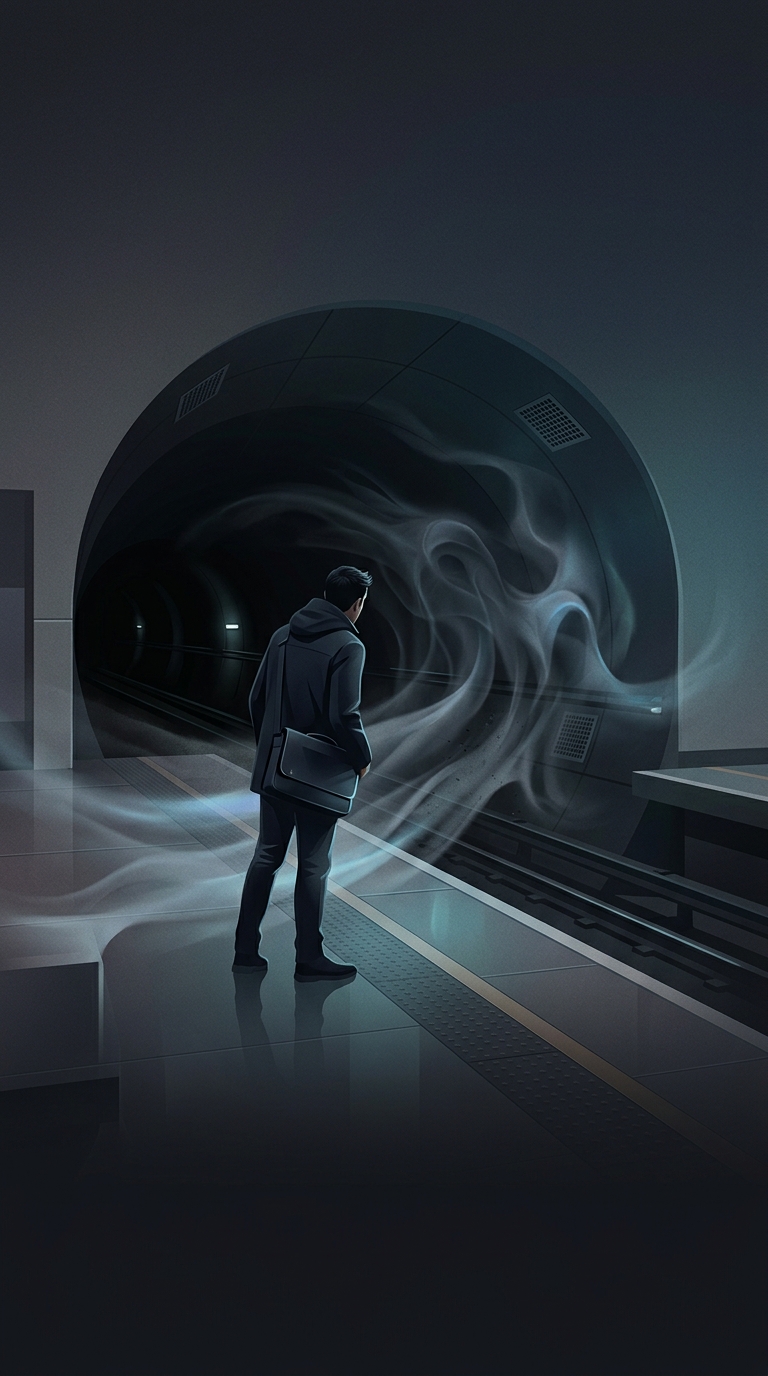
Tunnels and stations connect through openings, and the station itself has entrances, passages, and other routes for air to escape. As the train approaches, pressure builds in the air ahead of it. That pressure sends a gust through the tunnel opening before the train arrives, where it spreads across the platform and can toss clothing or stir loose hair.
The airflow is shaped by the station’s layout: tunnel width, platform openings, and ventilation shafts all affect where the air goes. So the gust may feel like a sudden blast in one spot and a weaker breeze a few steps away.
The train also leaves a wake
After the front passes, air flows around the train and is pulled along behind it. The result is a shifting pattern of pressure and wind, not one isolated burst. The rush is the tunnel’s air being displaced by a large moving object, with the station’s passages steering that air toward passengers before the train itself reaches them.