A circle handles pressure from every direction
Deep underground, soil and rock press on a tunnel from the sides and above. A circular lining carries much of that load as compression—forces that squeeze the structure—around its curved wall. The pressure can travel along the curve instead of concentrating at sharp corners, as it would in a square tunnel. That makes a circle a strong, efficient shape for resisting the ground around it.
A square tunnel can be built, but its flat roof must resist the weight above it, while its corners become points where forces can concentrate. It may need more structural support to handle those demands. The circle is not automatically best for every site or purpose; it is a reliable shape when ground pressure is a major concern.
The machine favors the shape
Many subway tunnels are excavated by a tunnel-boring machine, or TBM. Its cutting head rotates, and its circular outline cuts a round opening. Behind the cutter, workers or automated equipment install curved concrete or other lining segments that fit together into a supporting ring. Repeating those rings produces a continuous tunnel wall.
A square-bored tunnel would require a different excavation and support arrangement, and its roof and corners would need to be stabilized as work advanced. The round bore lets the machine cut and line the tunnel in a repeating cycle, which is well suited to long underground routes.
The track fits inside the circle
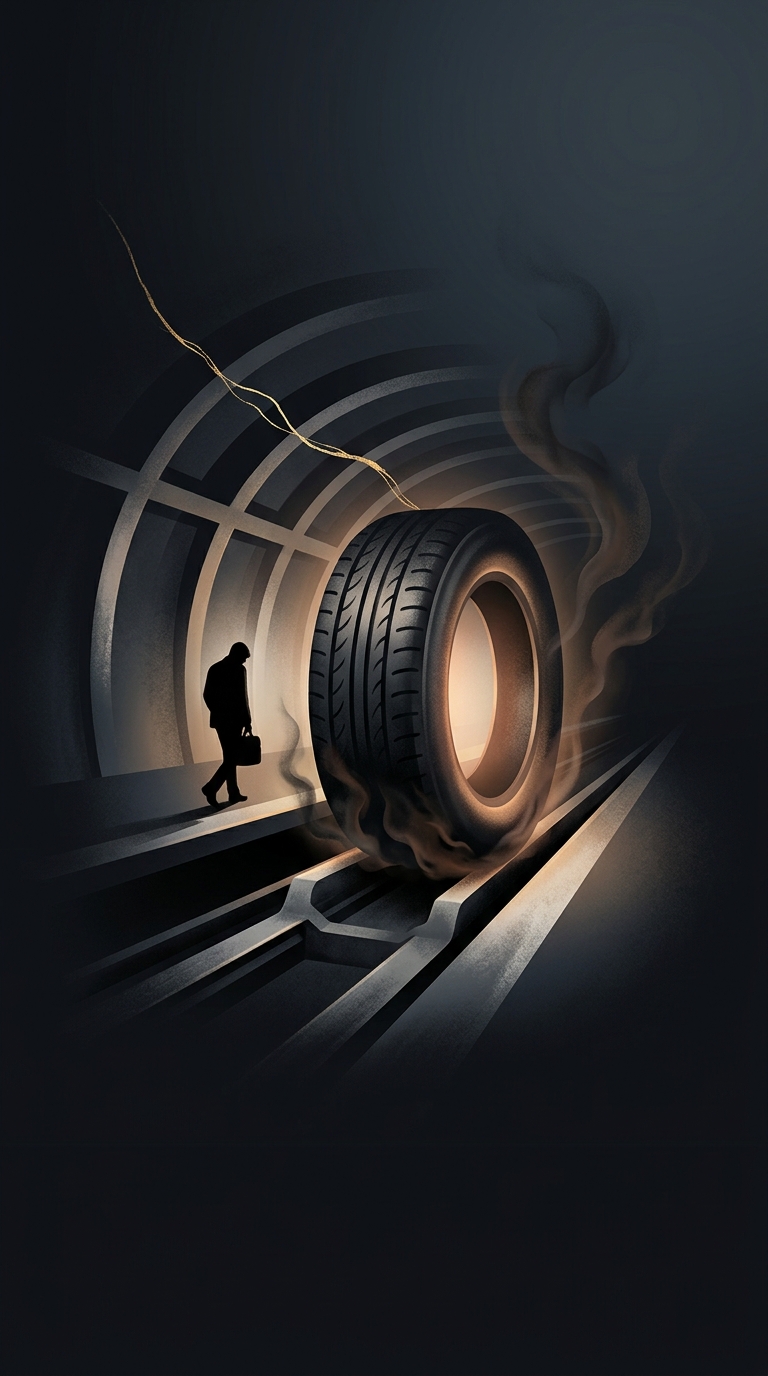
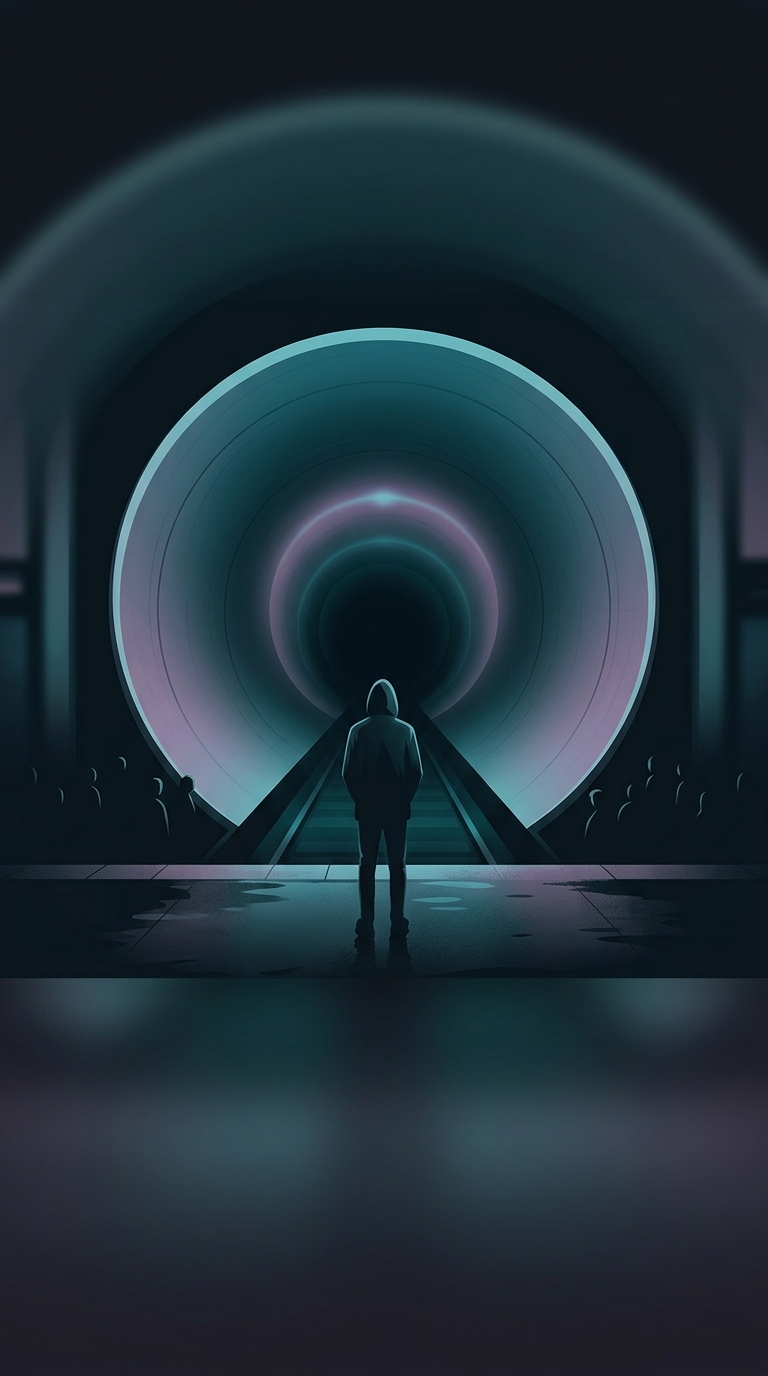
Trains need a particular clearance envelope—the space the vehicle and its movement require—but that space does not have to match the tunnel’s outer shape. Tracks, walkways, cables, and equipment can occupy the lower part of a circular bore, with the remaining curve providing room around the train.
Not every rail tunnel is circular: tunnels built by digging a trench and covering it, for example, can have rectangular sections. But where a tunnel is bored through pressured ground, the curved wall and the round-boring machinery reinforce the same practical choice.