A sharp turn became a deadly trap
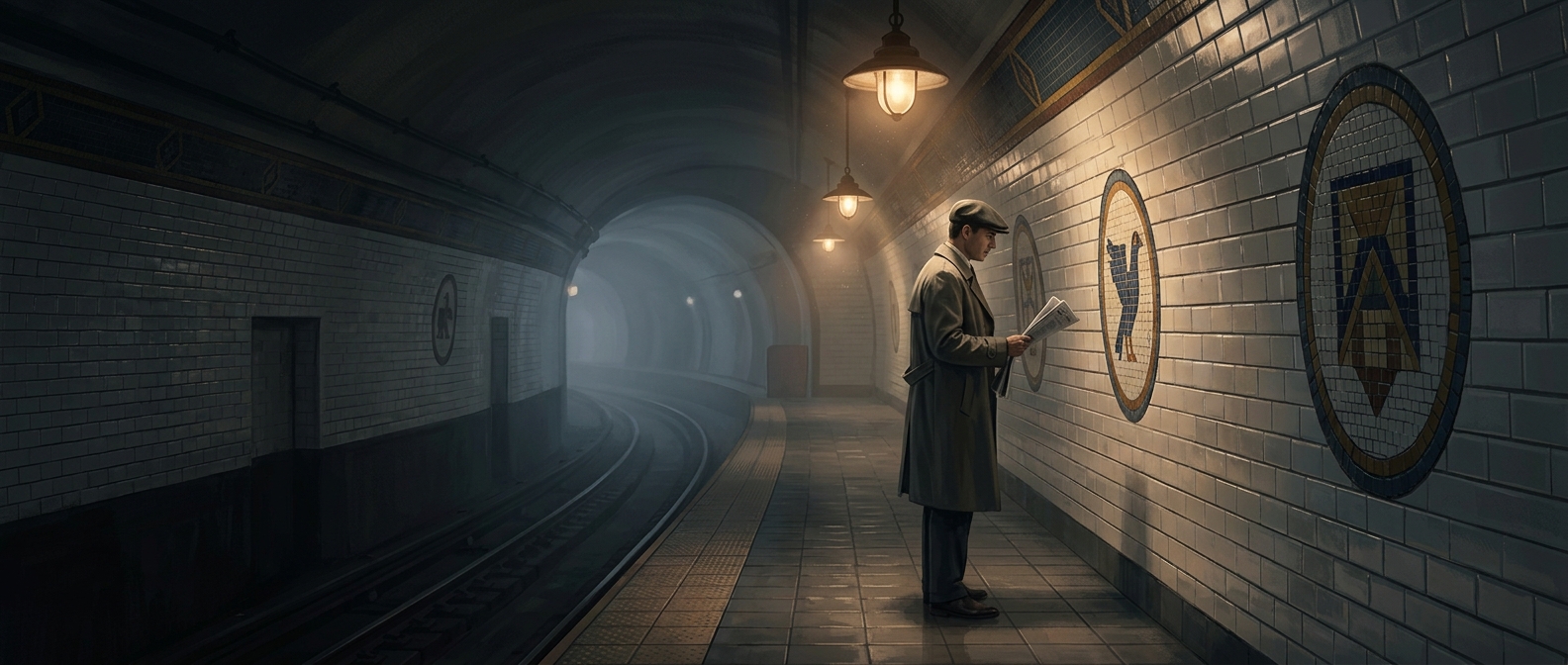
On November 1, 1918, a Brooklyn Rapid Transit train derailed on the Malbone Street curve near Prospect Park. The train was moving too fast for the tight bend. Its cars left the rails and struck the tunnel structure, crushing cars and trapping passengers. Scores of people died in one of New York’s worst subway disasters.
The curve was part of the route’s physical layout, but the danger became catastrophic because a train entering it at speed could not simply stay upright: the force of the turn pushed the cars outward, and the confined space left little room for them to fall or slide safely. The crash turned an ordinary street name into a shorthand for sudden, mass tragedy.
Changing the map could not change the past
Malbone Street was later renamed Empire Boulevard. Renaming the street changed what residents and visitors saw on signs and maps, creating distance from a name now associated with the wreck. It did not remove the crash from the neighborhood’s history—or from the story of how railway routes, operating conditions, and tight urban curves could combine with devastating results.
The result is a striking split in public memory: the street is known by a different name, while the disaster is still remembered by the one it carried when the train went off the rails.