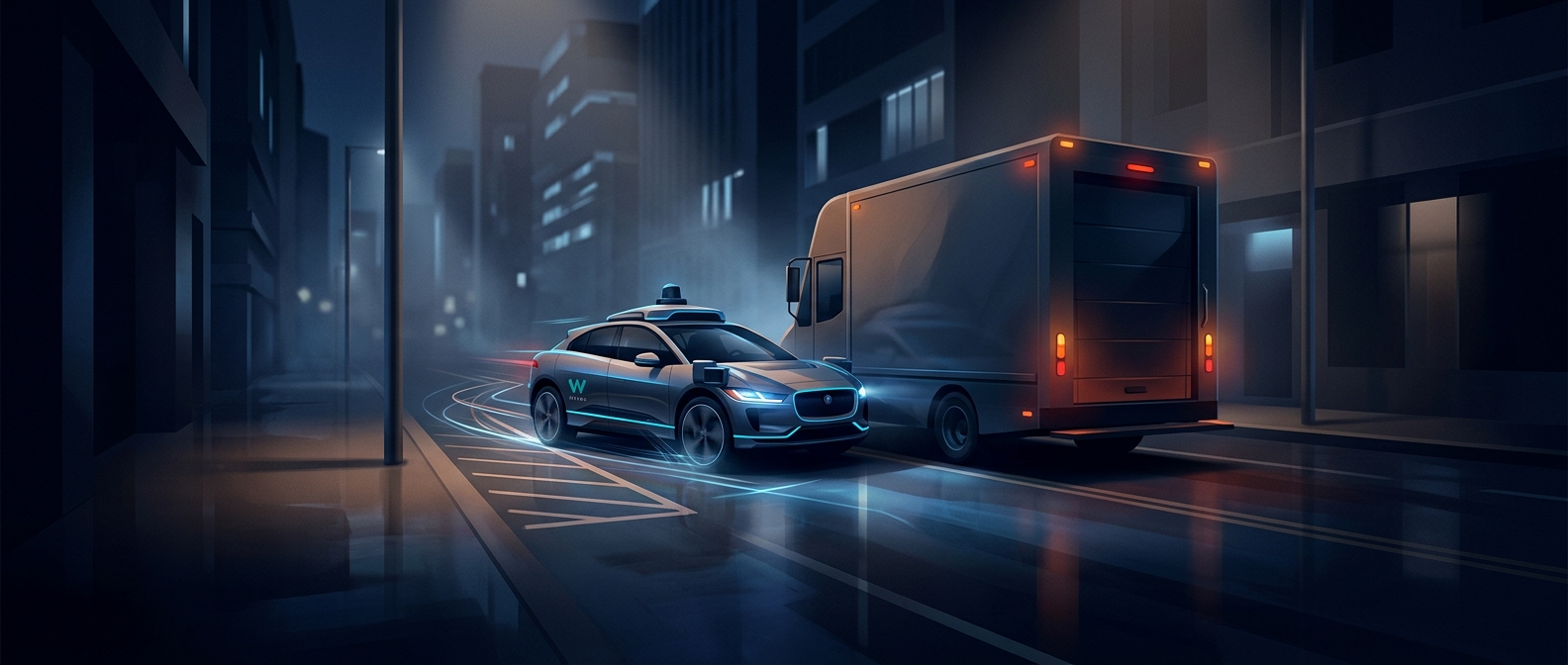
Why a pickup can block more than one car
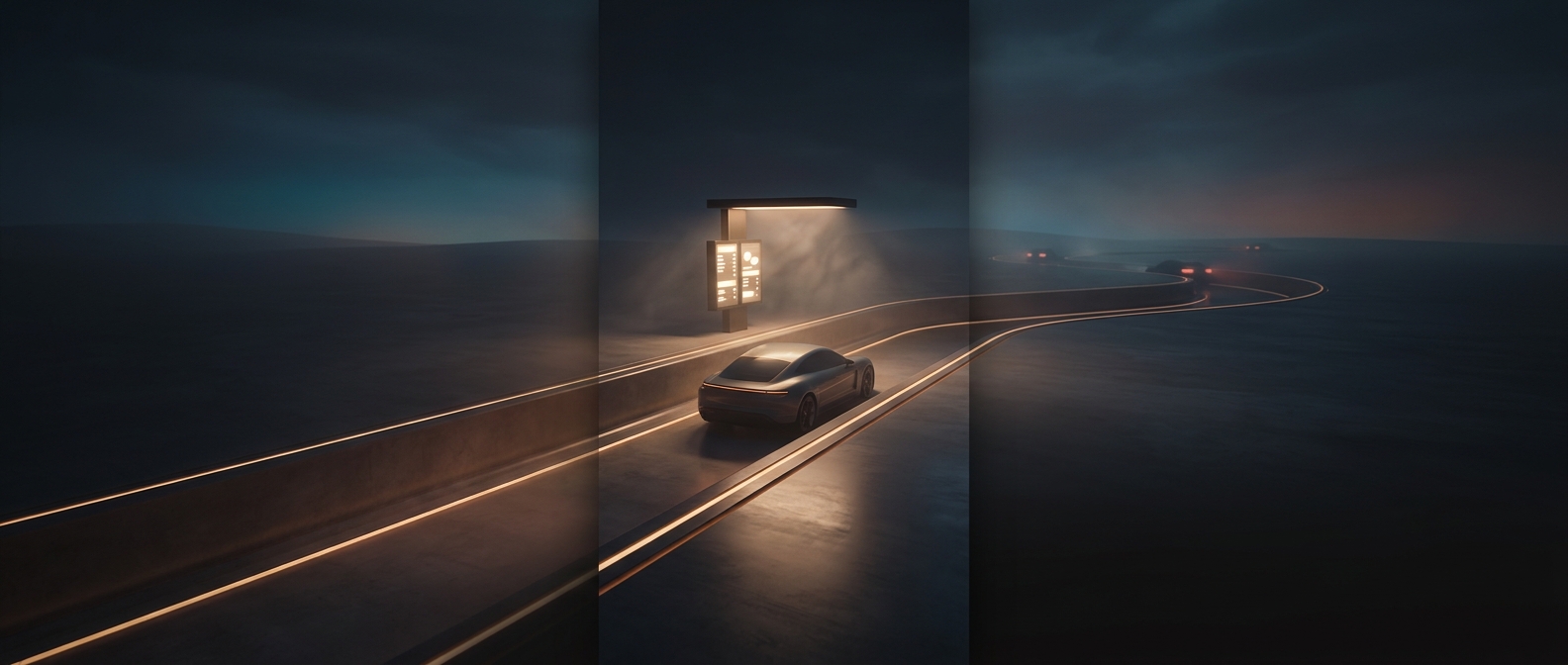
A curb is not just a place to stop. It is a narrow loading area shared by passenger pickups, deliveries, taxis, buses, and parked vehicles. A driverless car must reach a safe, accessible stopping point, let someone board or exit, and then clear the space. If that point is occupied—or a passenger is not ready—the car may wait in the travel lane or circle the block.
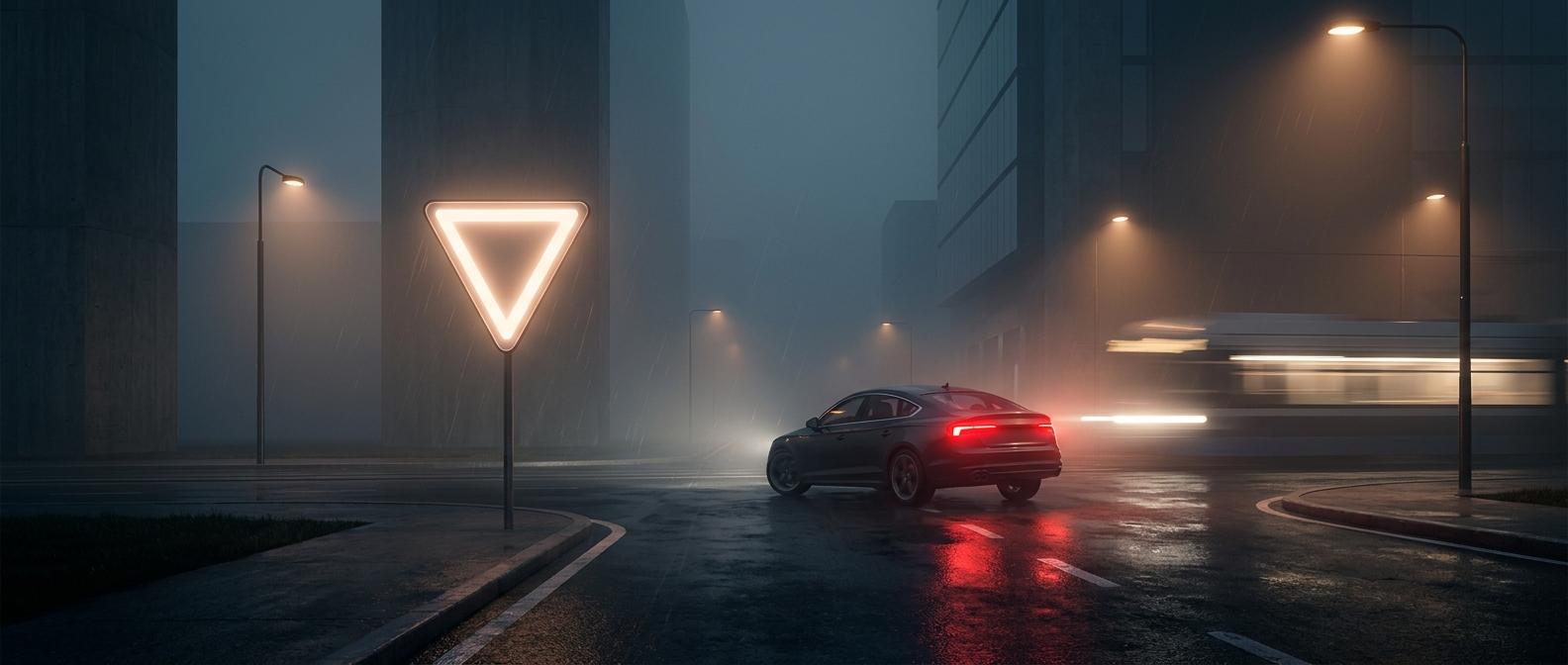
The delay can ripple backward. One stopped vehicle narrows the road; the next arriving car may queue behind it, obstruct a bike lane, or prevent a bus from pulling in. The bottleneck is especially awkward because the curb has little room to absorb a queue without pushing it into moving traffic.
Automation changes the timing, not the geometry
A self-driving system can navigate to a pickup location, but software cannot make a curb physically wider. Nor can it guarantee that a passenger will be waiting when the car arrives or that another vehicle will have vacated the spot. Even a brief mismatch between arrival and readiness can turn a quick handoff into a curbside wait.
Fleet operators can reduce some friction by directing cars to designated pickup zones, coordinating arrivals, or using a nearby staging area until a passenger is ready. Those choices shift where vehicles wait; they do not eliminate the need for space. A staging area also works only if it is close enough to be useful and does not create another traffic problem.
The curb becomes a scheduling problem
Cities already make tradeoffs when assigning curb space: a stretch used for loading cannot serve the same purpose at the same time as one reserved for parking or transit. More automated pickups can make those decisions more consequential, because multiple vehicles may be routed to the same convenient address.
The practical test for a driverless pickup is therefore not only whether the car can find its passenger. It is whether the street has a place for the handoff that does not force the rest of the block to wait.