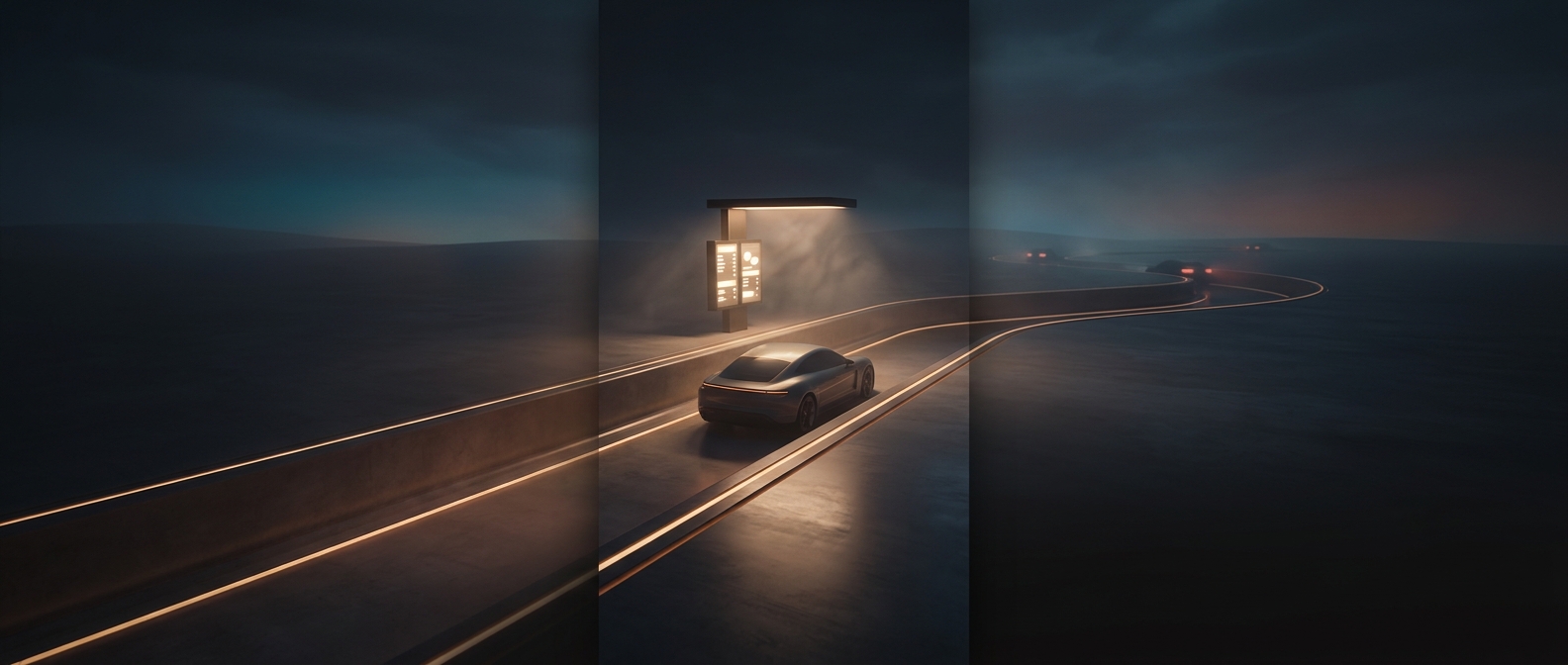
The lane is designed as a one-way path
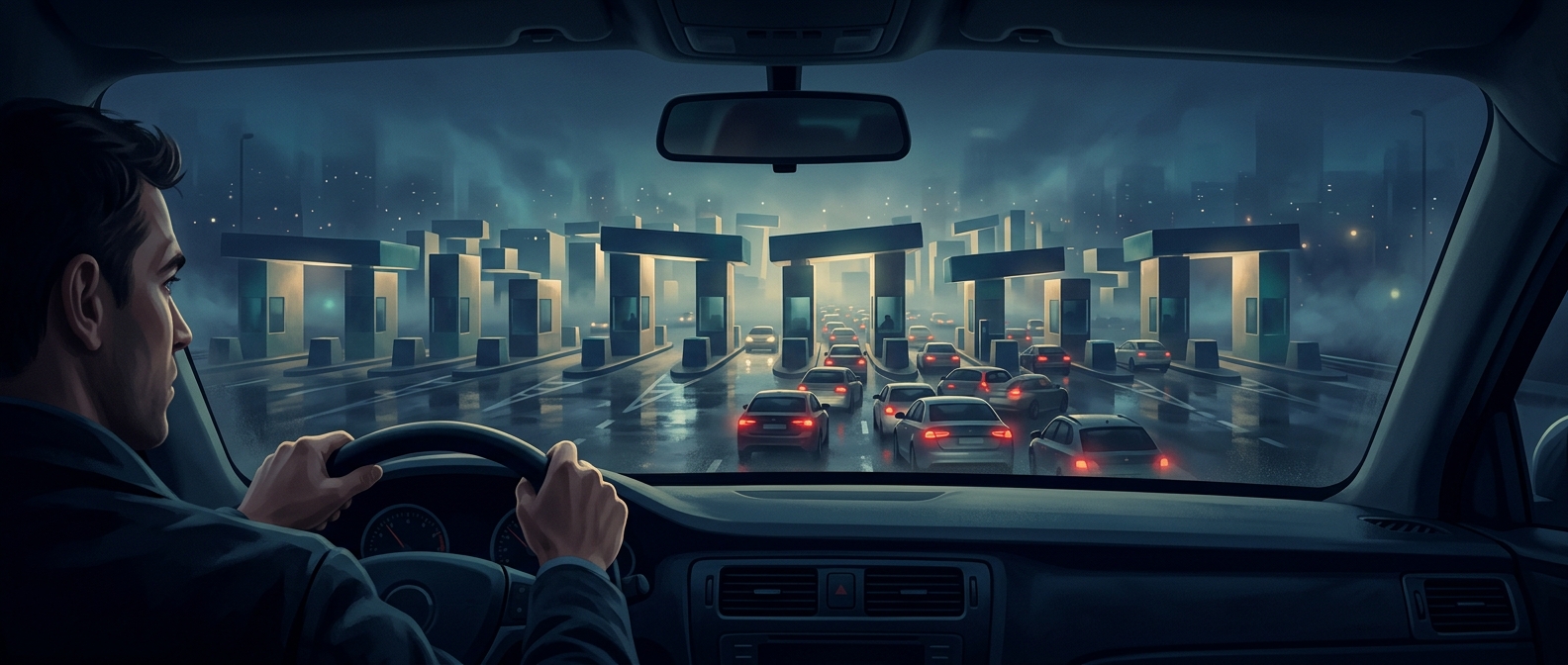
A drive-through is more than a speaker and a pickup window: its pavement layout manages the order of cars. Curbs, islands, walls, and tight bends guide vehicles through a narrow route, often wrapping around the building before reaching the exit. That geometry keeps the line moving in sequence and discourages drivers from cutting across the lot or turning around.
Why backing out rarely works
Once cars are queued nose-to-tail, each vehicle depends on the one ahead moving forward. A driver who reverses may have little room to steer, and the car behind becomes an immediate obstacle. Even if there is space to back up, the lane may bend around a curb or building corner, making a reverse turn awkward or unsafe.
The layout also protects the flow of the surrounding parking lot. If cars could easily swing out of line, they might cross paths with incoming traffic, pedestrians, or vehicles entering the queue. Channeling everyone toward one exit trades flexibility for a more predictable route.
A small commitment with a physical cause
That is why joining the line can feel like a bigger decision than it looks: the vehicle is not merely waiting, but occupying one link in a chain. The practical escape is usually to continue to the exit, where there is room to turn around—rather than trying to undo the route from inside the queue.