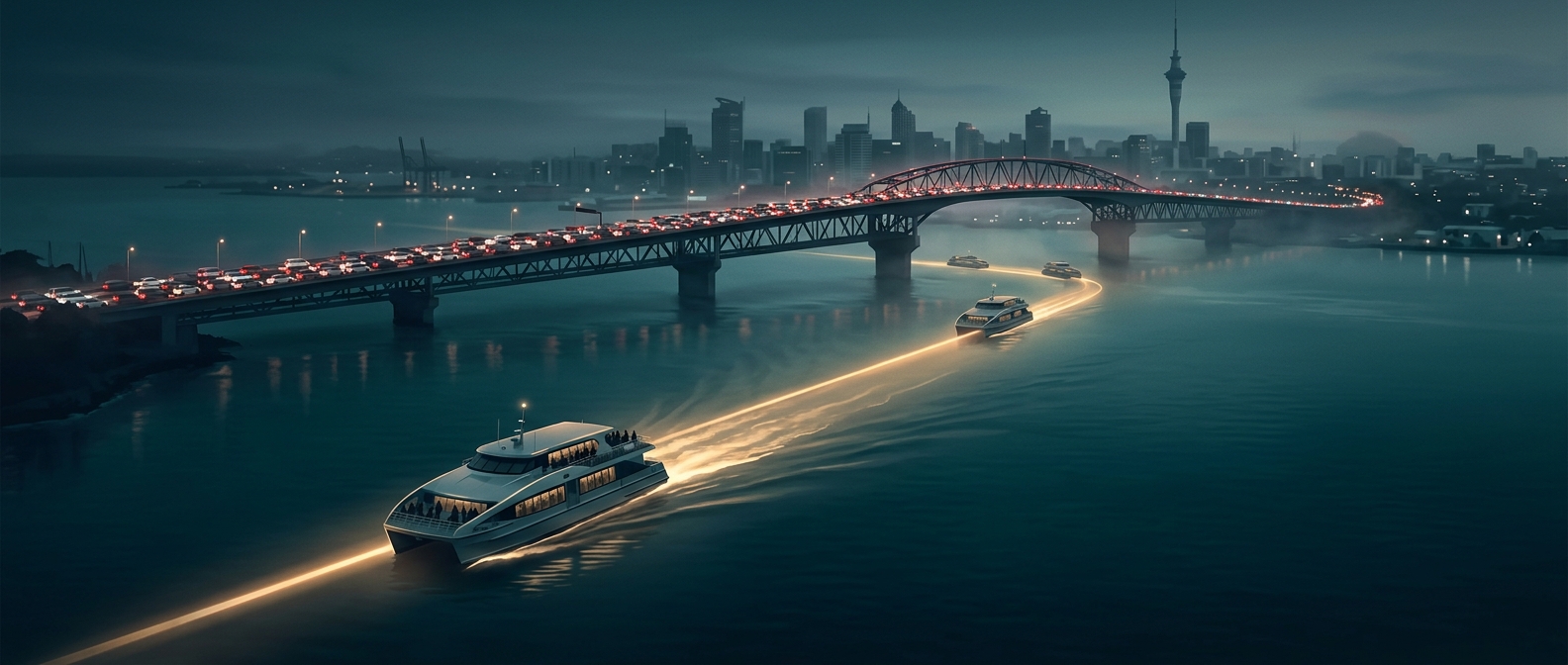
A bridge that moves with the tide and weather
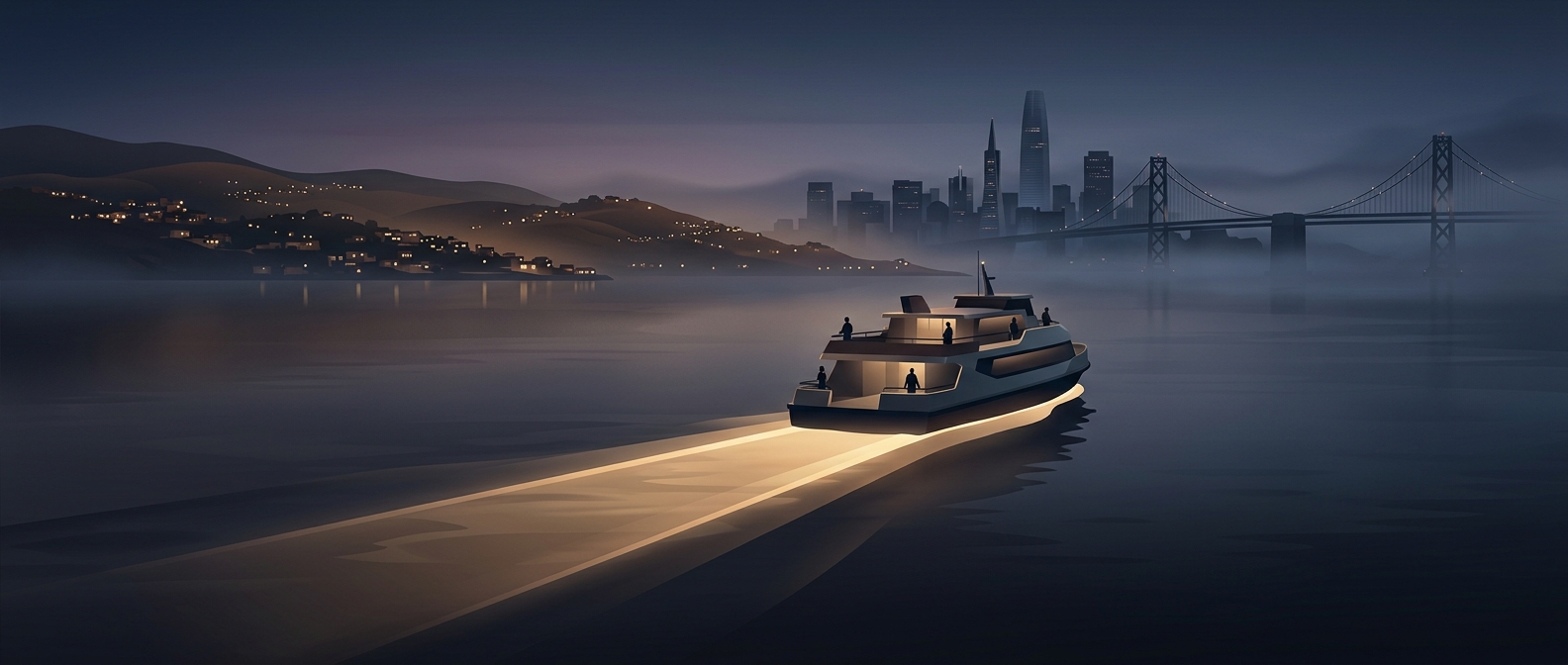
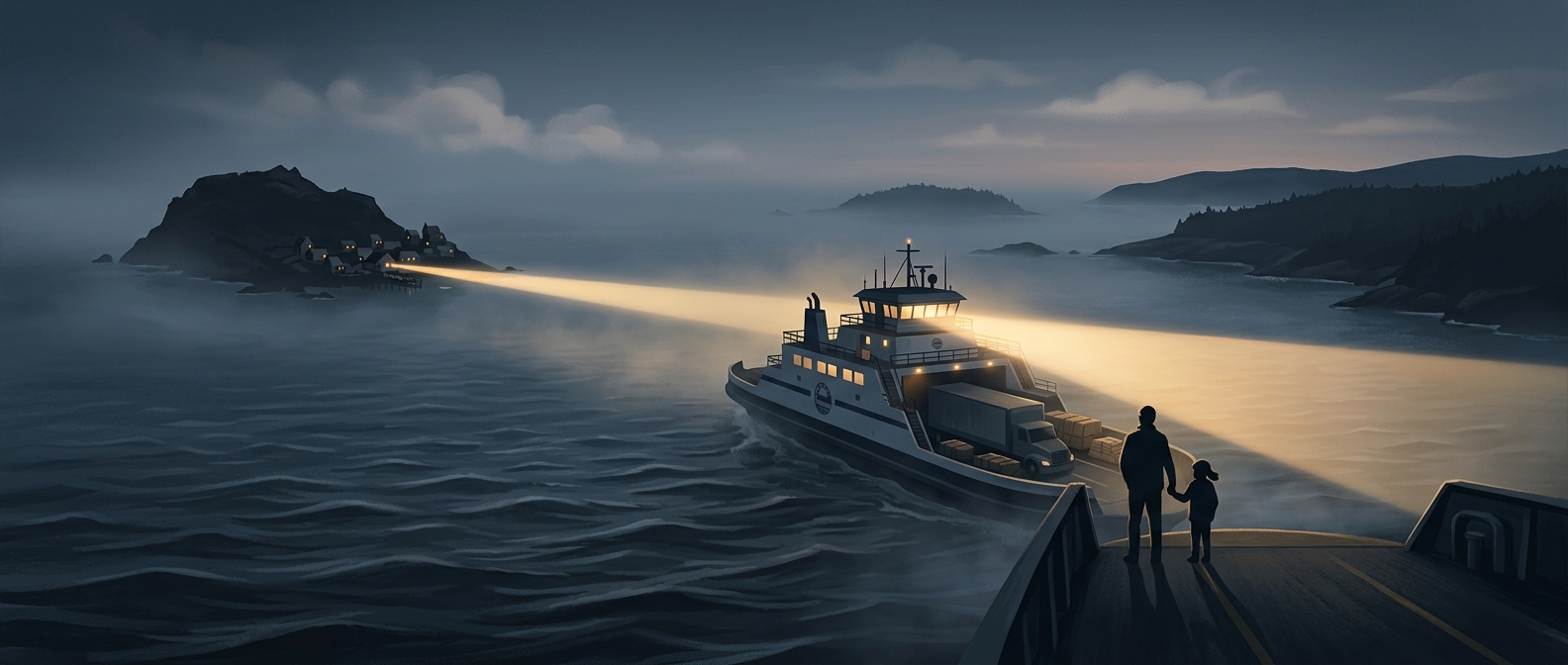
For Maine’s year-round island communities, the ferry is not simply a way to visit the mainland. It is part of the practical infrastructure that makes island life possible. When a household needs groceries, a vehicle repaired, or an appointment on the mainland, the trip depends on a vessel that can carry people and, where the service allows, cars and freight.
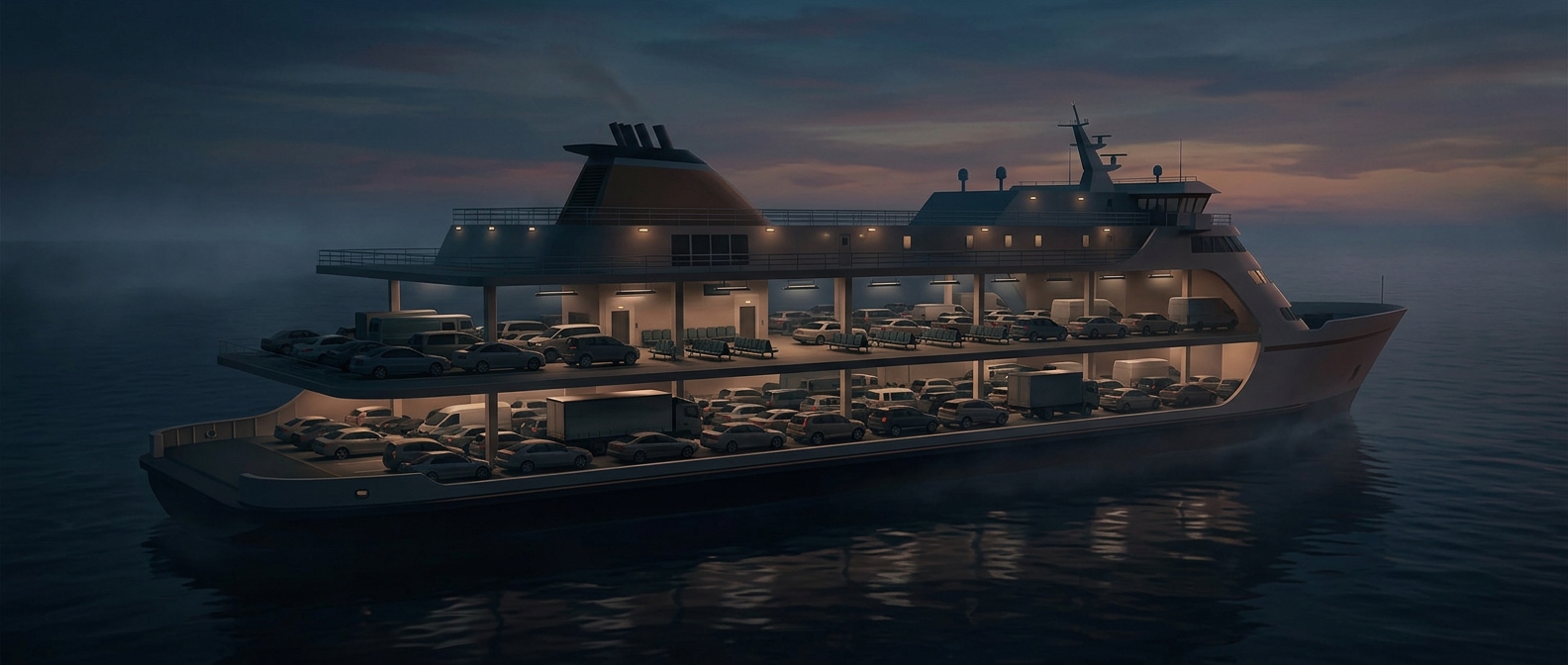
That cargo role changes the ferry’s job. A passenger boat can be designed mainly around people and quick boarding. Carrying cars or supplies requires room for heavy loads and a way to move them on and off safely. The crossing therefore links two places not just through travel, but through the movement of the things island residents cannot readily obtain nearby.
The schedule is part of the connection
A road is usually available whenever a driver is ready. A ferry runs at set times, so residents and businesses have to plan around departures, loading, and the return trip. A missed sailing can mean waiting for the next one; a delivery or mainland errand has to fit the boat’s timetable.
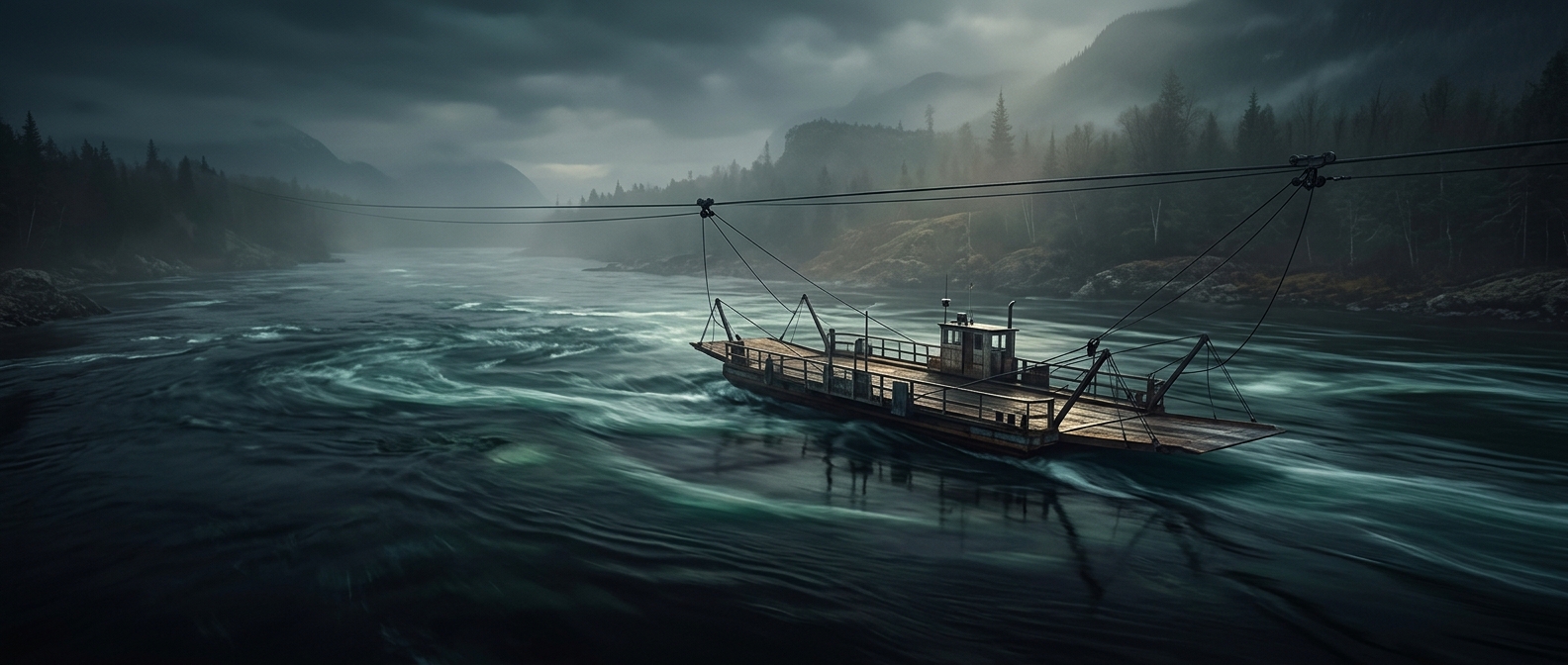
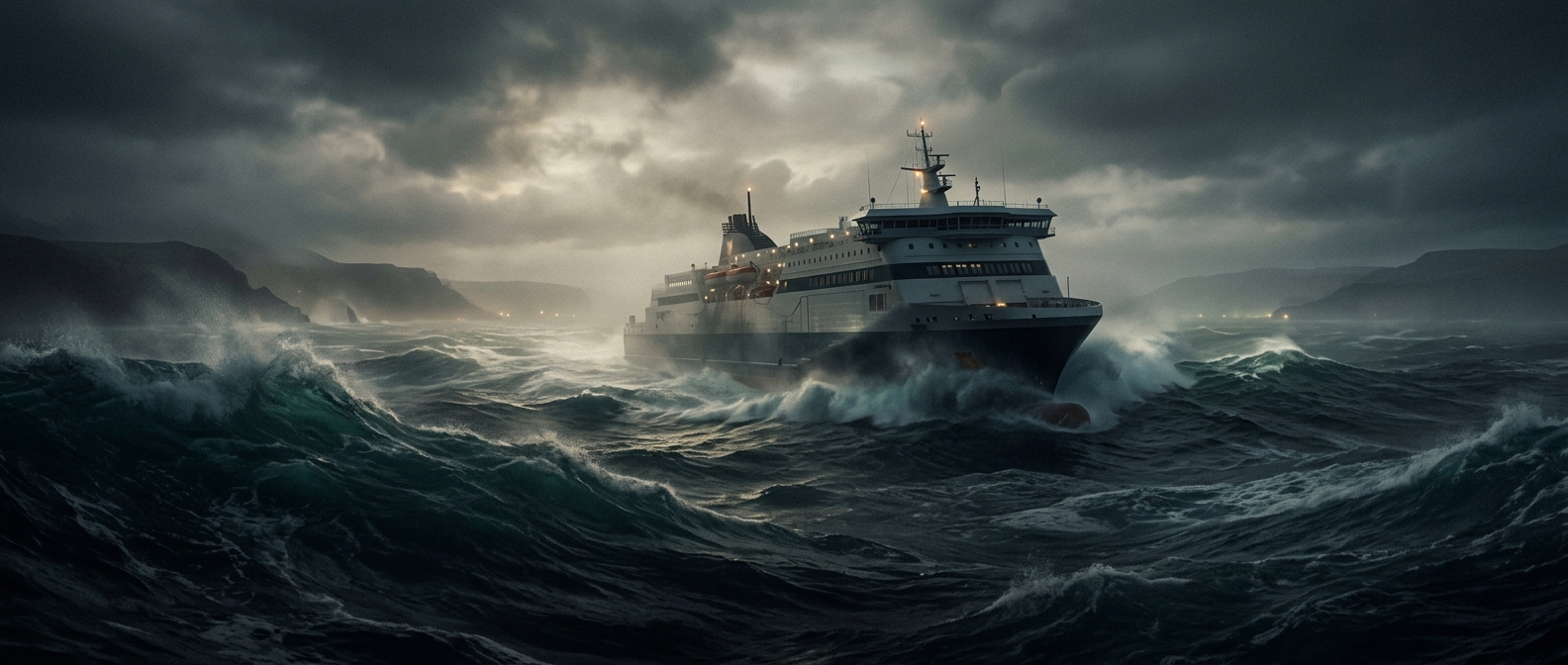
The vessel also faces conditions a road does not: wind, waves, fog, and changing tides can affect a crossing. That makes the connection less continuous than a bridge, even though it serves a similar purpose. The ferry’s route and schedule are the link, and disruptions can ripple into errands, supplies, and work on the island.
Why the crossing matters beyond the ride
A state ferry service helps connect island routines to mainland shops and services without requiring a permanent bridge. Its usefulness is measured in more than passenger seats: the ability to bring a car, equipment, or freight can determine whether a mainland trip solves a real problem. For islanders, the journey begins not when traffic clears, but when the next sailing is ready to load.