Why the deep Tube could offer shelter
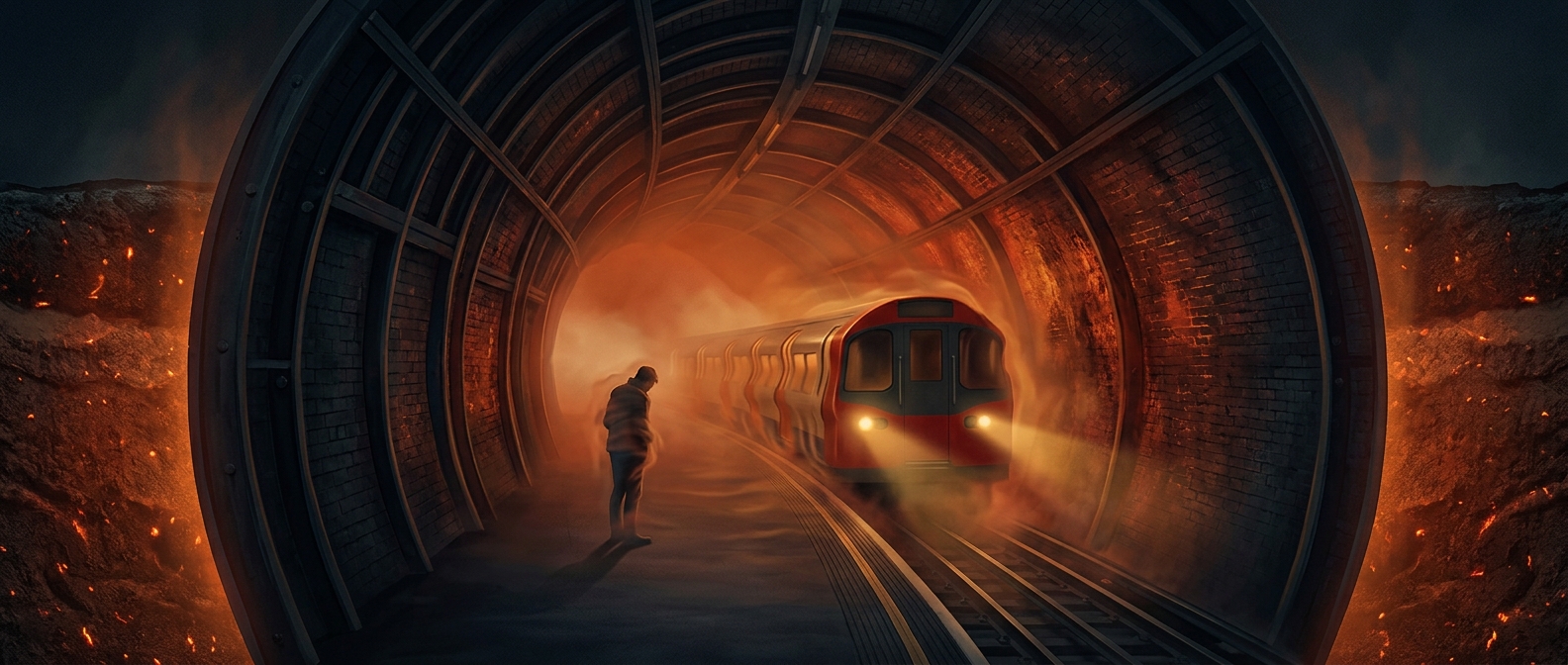
The Underground was not equally protective everywhere. Many of London’s deepest stations lay far below street level, reached by lifts or long escalators. The soil and layers of construction above them helped shield people from blast and flying debris—protection an ordinary street-level building could not provide. By contrast, shallow stations were less suitable, and no tunnel could make a direct hit or damage to an entrance harmless.
That depth had been built for transport, not defense. Deep Tube lines were bored through the ground, placing their platforms and tunnels beneath the busy streets. When air raids drove people below ground, infrastructure designed to move passengers became shelter almost by accident.
A railway turned into a night shelter
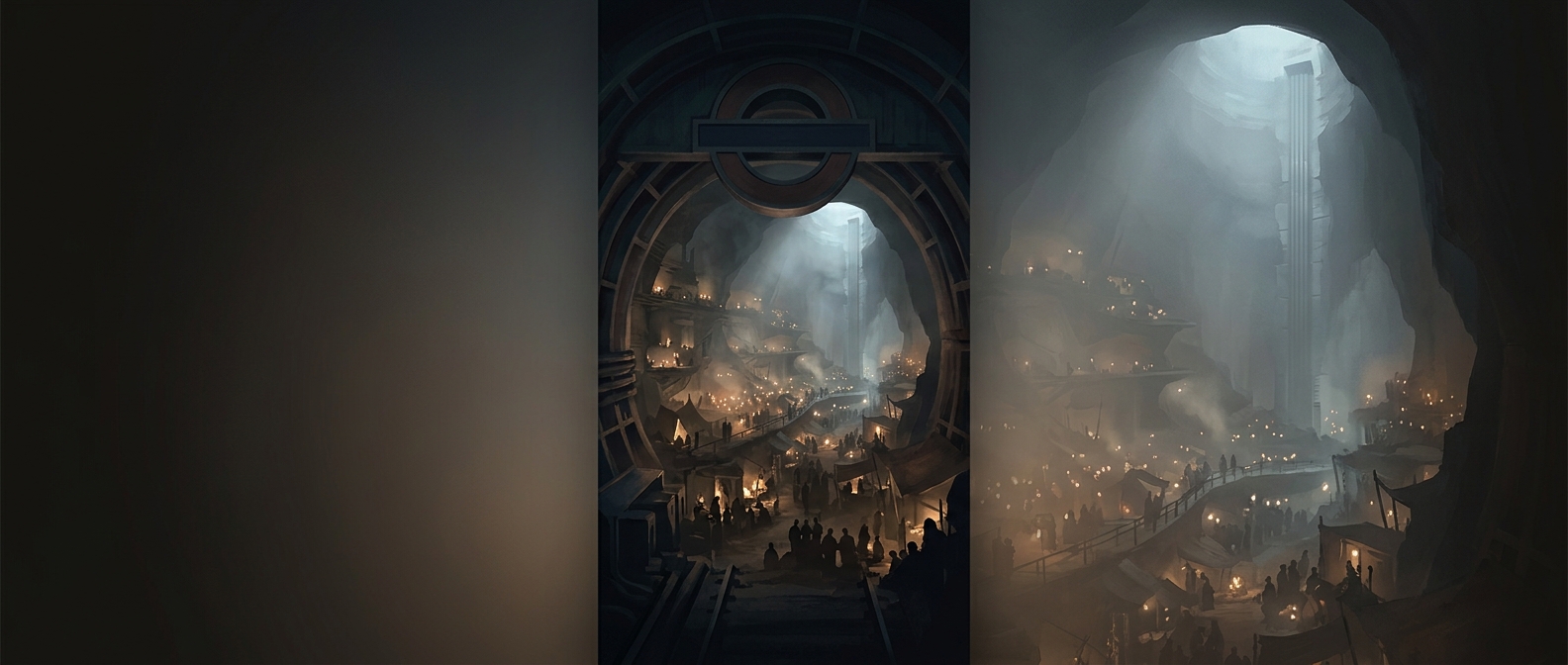
Using stations this way changed how the network worked. Platforms and passageways filled with people trying to sleep, while trains and normal passenger movements had to give way to shelter use. The Underground’s circulation spaces were not homes: crowds needed room to lie down, and basic needs such as toilets, ventilation, and access became difficult to manage as the shelter population grew.
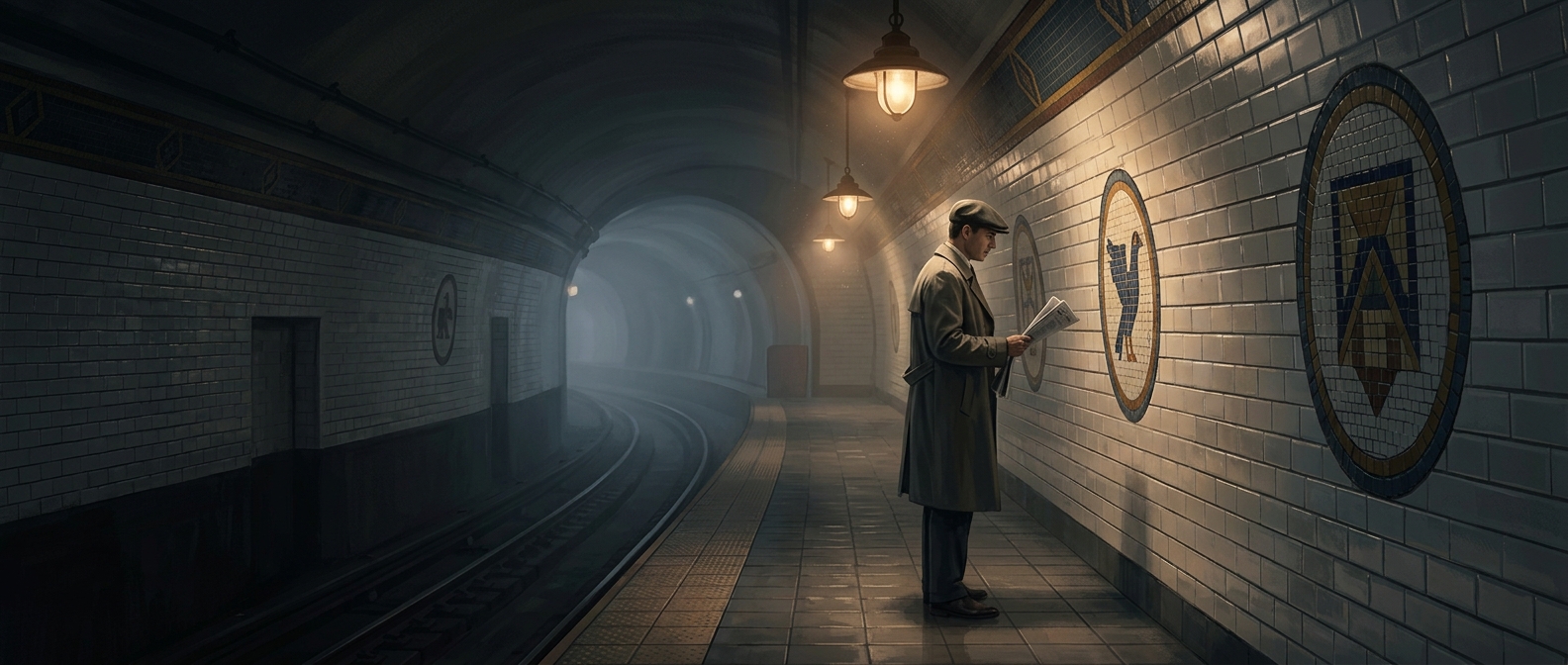
The refuge came with a stark tradeoff. Going underground reduced exposure to bombs falling above, but meant spending the night in crowded public spaces with limited comfort and no guarantee of safety. A station’s familiar signs and platforms remained—but for many people, its most important feature was now the ground overhead.