How a Held Door Can Throw Off a Subway Line
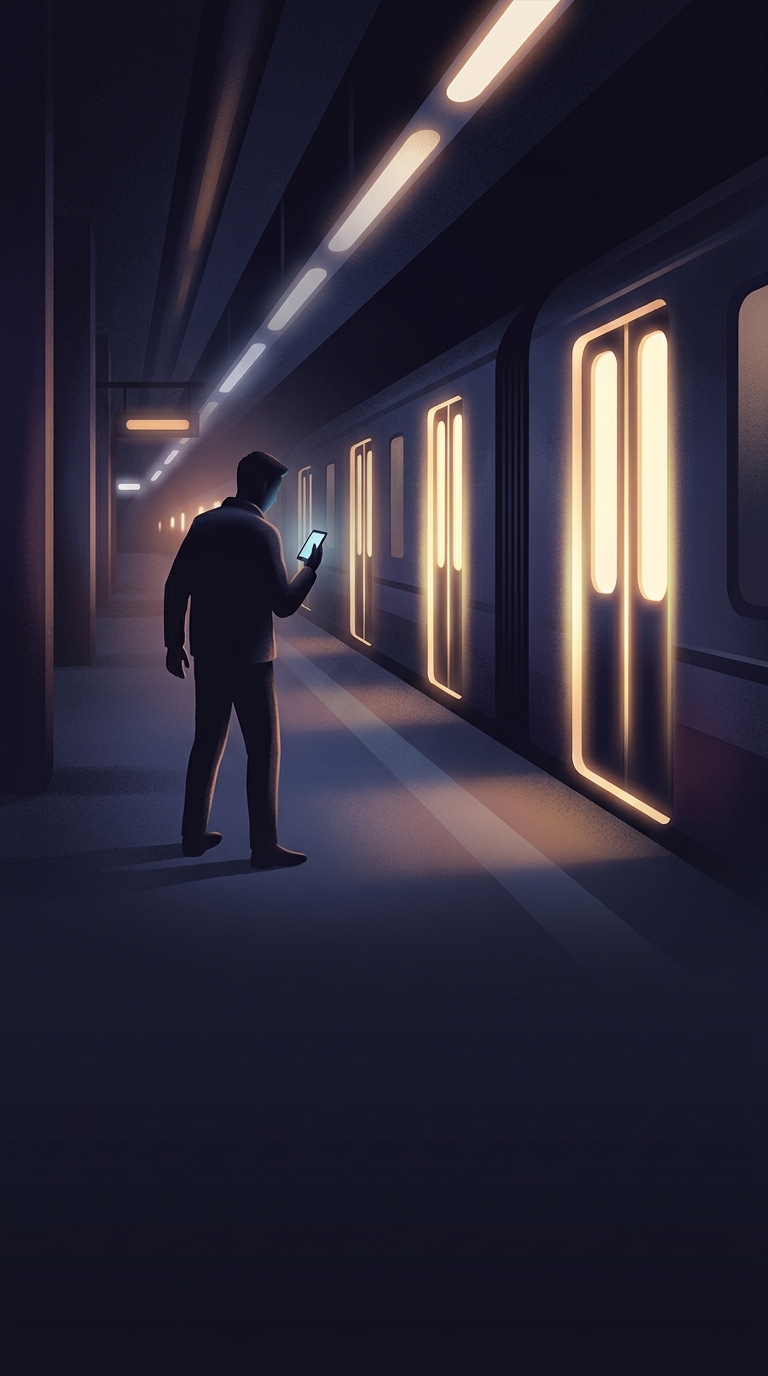
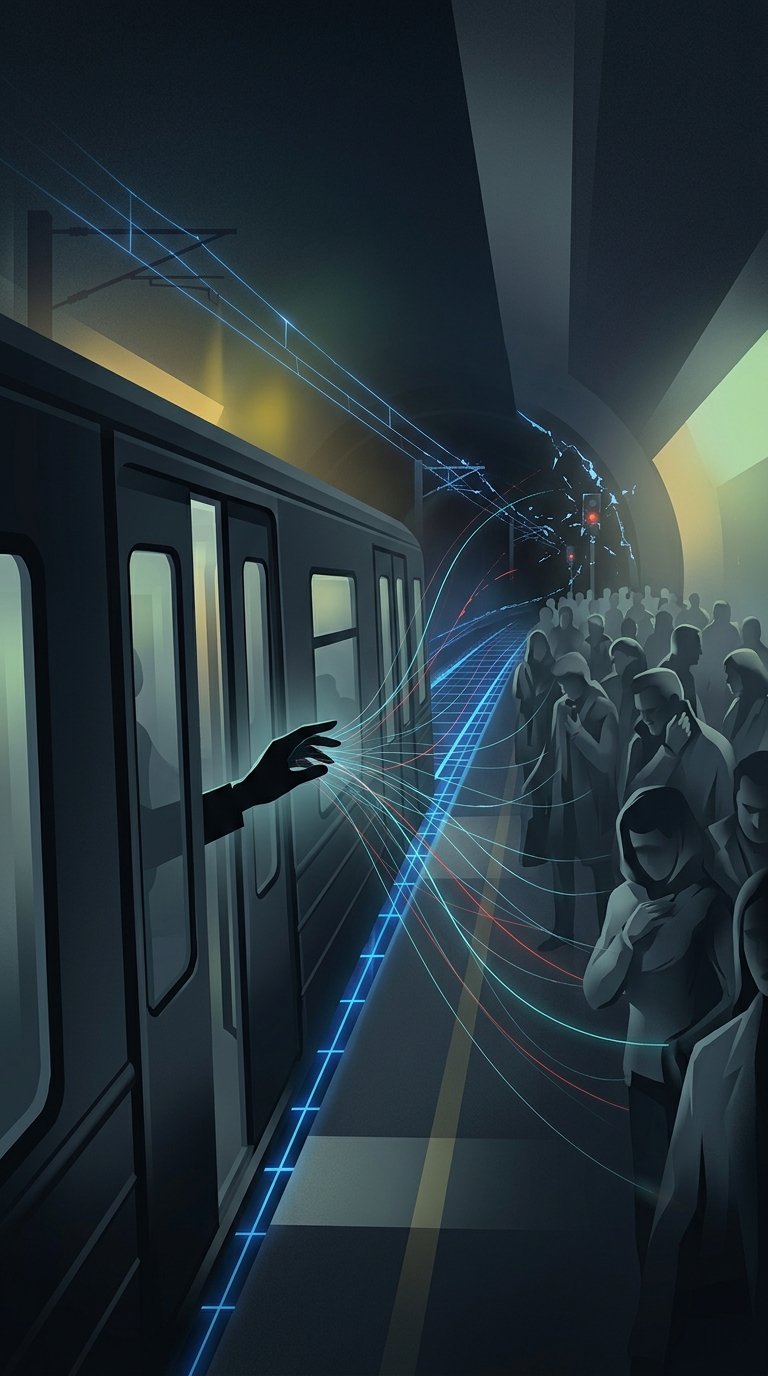
A train is not simply waiting for everyone to find a seat. Its doors must close before it can safely leave the station, and a passenger who holds one open for a late-arriving friend—or tries to squeeze through at the last moment—can make the doors reopen. The train loses time while the crew waits for them to clear and the closing sequence starts again.
One extra pause may seem trivial. On a busy line, though, trains are scheduled to follow one another at close intervals. A train that leaves late can reach the next station while more passengers have accumulated, keeping its doors open longer still.
Why the Delay Spreads
That growing gap creates a chain reaction. The train behind may catch up to the delayed one and have to wait for it to move on. Meanwhile, trains farther back encounter uneven spacing: some stations get an unusually long wait, then a surge of passengers when the next train arrives. Those crowded stops can add more dwell time—time spent standing at a station—and extend the disruption down the line.
The courtesy is understandable: nobody wants to leave someone behind. But a train door is part of the operating system, not a pause button. Letting it close keeps the train—and the passengers already aboard—moving on schedule.