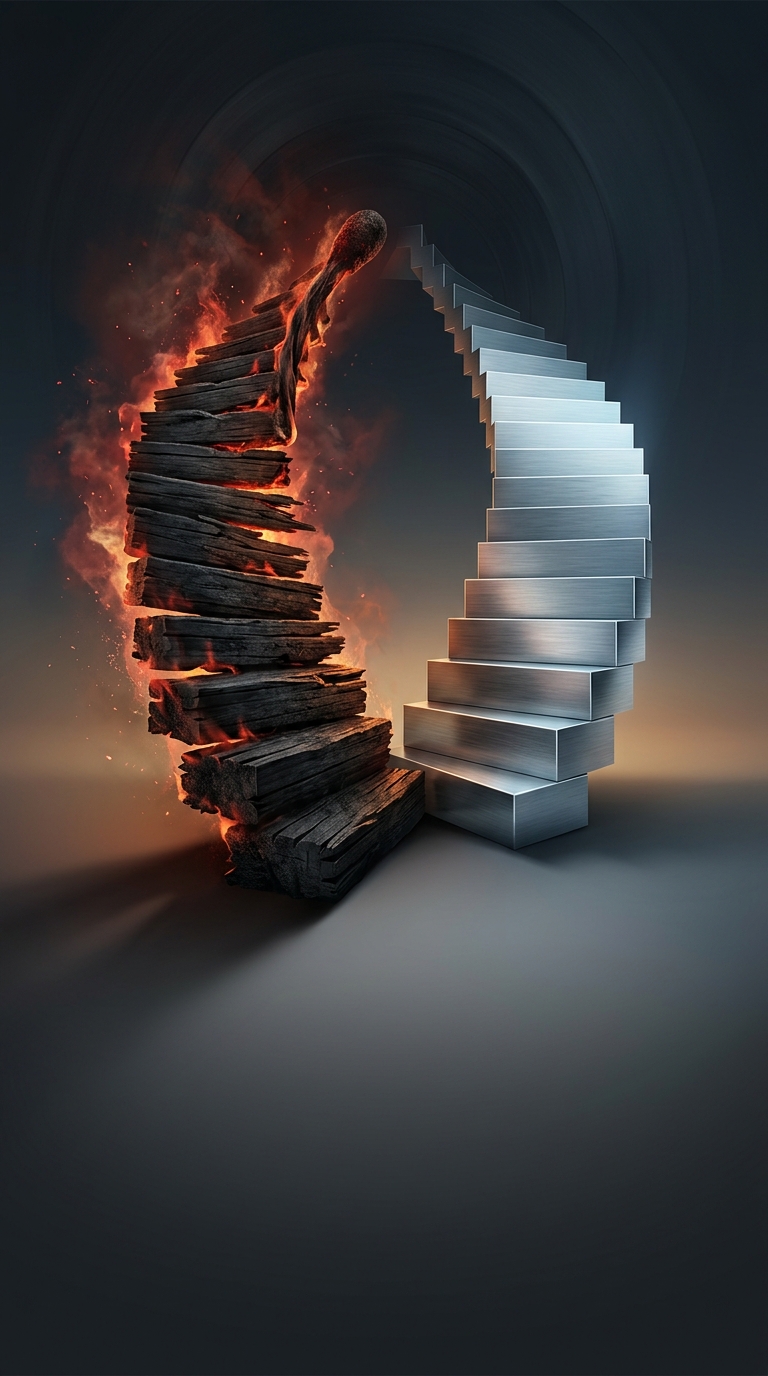
How the escalator turned a small fire into a major one
The danger at King’s Cross was not simply that the escalator was made of wood. In November 1987, a fire began beneath an escalator and spread into the passage around it. As heat and smoke rose through the sloping space, they heated the escalator’s sides and ceiling. The confined passage then helped the fire grow rapidly, a process investigators described as the trench effect.
In an open room, hot gases can spread out and mix with cooler air. In a narrow, inclined passage, they are channelled uphill. The moving gases heat surfaces ahead of the flames, and those surfaces can release flammable vapours that ignite. The escalator’s wooden parts provided fuel, but the shape of the tunnel helped turn a fire below into a sudden, powerful blaze above.
Why the fire caught people by surprise
An escalator can look like an open staircase, but its machinery sits inside a structure with hidden spaces beneath the steps. Fire and smoke can travel through those spaces and emerge where passengers are trying to leave. At King’s Cross, people near the top encountered the fire as it intensified, while smoke spread through the station’s connected passages. Thirty-one people died.
The disaster exposed a mismatch between how the station was built and how people understood the risk. A fire that seemed small and contained below ground could exploit the escalator’s enclosed incline and become much more dangerous in seconds. The route intended to carry passengers upward also gave heat and flames a path toward them.
What changed afterward
The fire prompted a broad reassessment of Underground fire safety. Wooden escalators were phased out, and stations received measures such as improved fire detection, emergency procedures and restrictions on smoking. The enduring lesson was about more than choosing noncombustible materials: tunnels, voids and slopes can shape a fire’s behaviour as decisively as the fuel itself.
At King’s Cross, the escalator was not just something that burned. Its geometry helped determine where the fire went—and how quickly.