A warning can get attention without sounding like an emergency
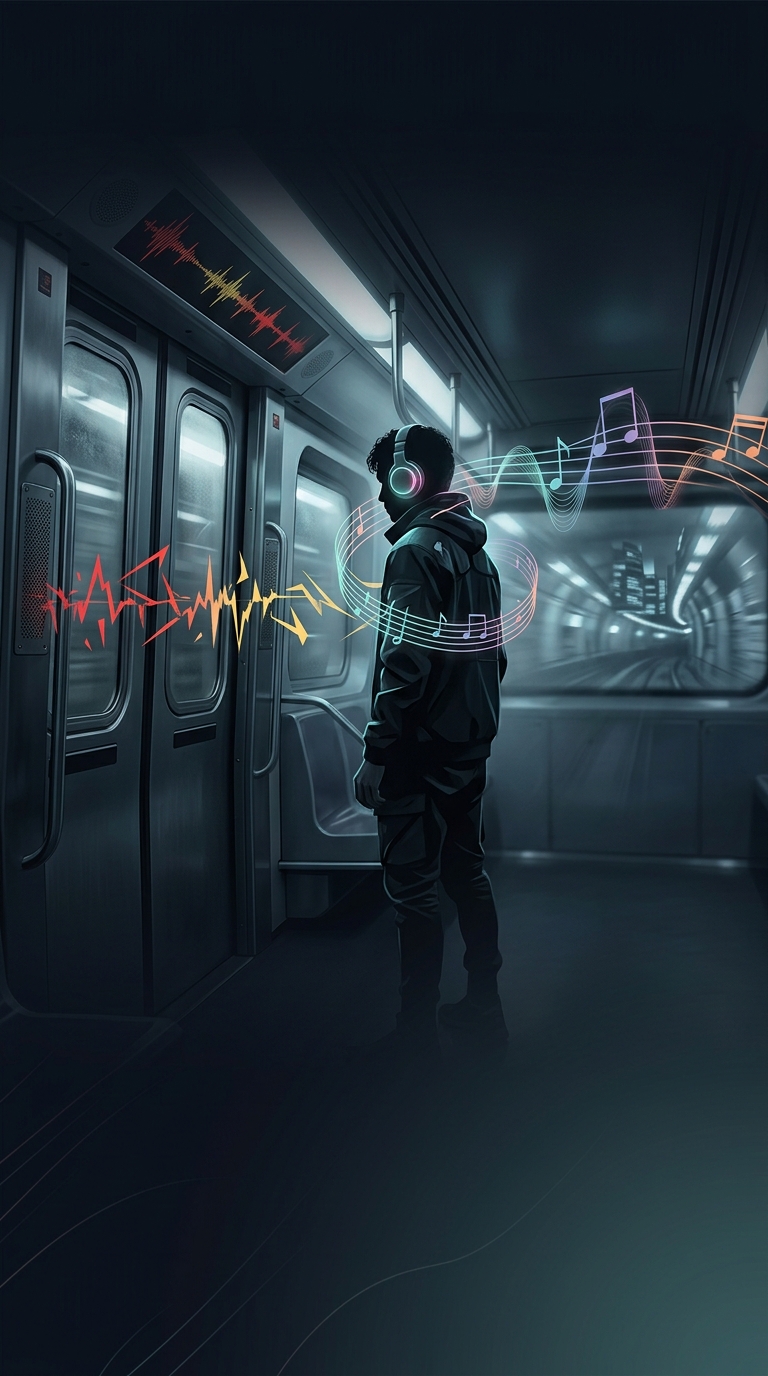
A harsh alarm is designed to cut through noise, but its sharp, abrupt sound can also trigger a startle response: the body’s quick, involuntary reaction to a sudden threat-like noise. In a crowded station, repeated blasts may make an ordinary door-closing sequence feel more alarming than it is.
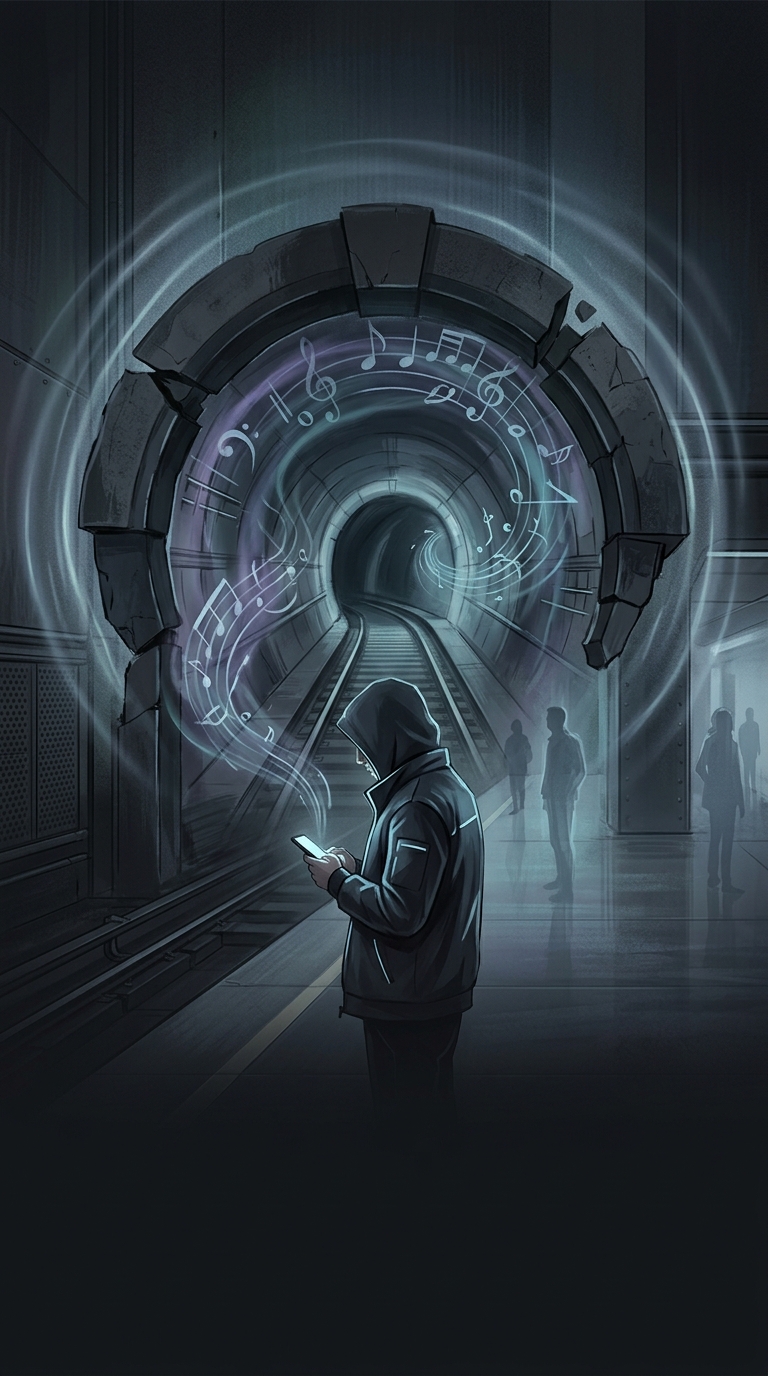
A musical chime offers a different balance. Its distinct pitches can still stand out against platform noise, while sounding less like a siren. That makes the signal easier to tolerate when riders hear it repeatedly—and may help keep routine door warnings from blending into a jumble of unpleasant alarms.
The sound shapes how riders respond
A closing-door signal has a practical job: give people a brief cue to stop boarding and move clear. If it sounds like a major emergency, riders may react with unnecessary urgency; if it is too soft or familiar, they may miss it. The design challenge is to make the cue noticeable without making every departure feel like a crisis.
Chimes also give transit systems a way to distinguish one kind of message from another. A brief tune can mean “doors are closing,” while a more urgent alarm remains available for a more serious hazard. The goal is not to make a safety warning pleasant for its own sake, but to make its level of urgency match the situation.