Why a vacant big-box store suits a Halloween pop-up
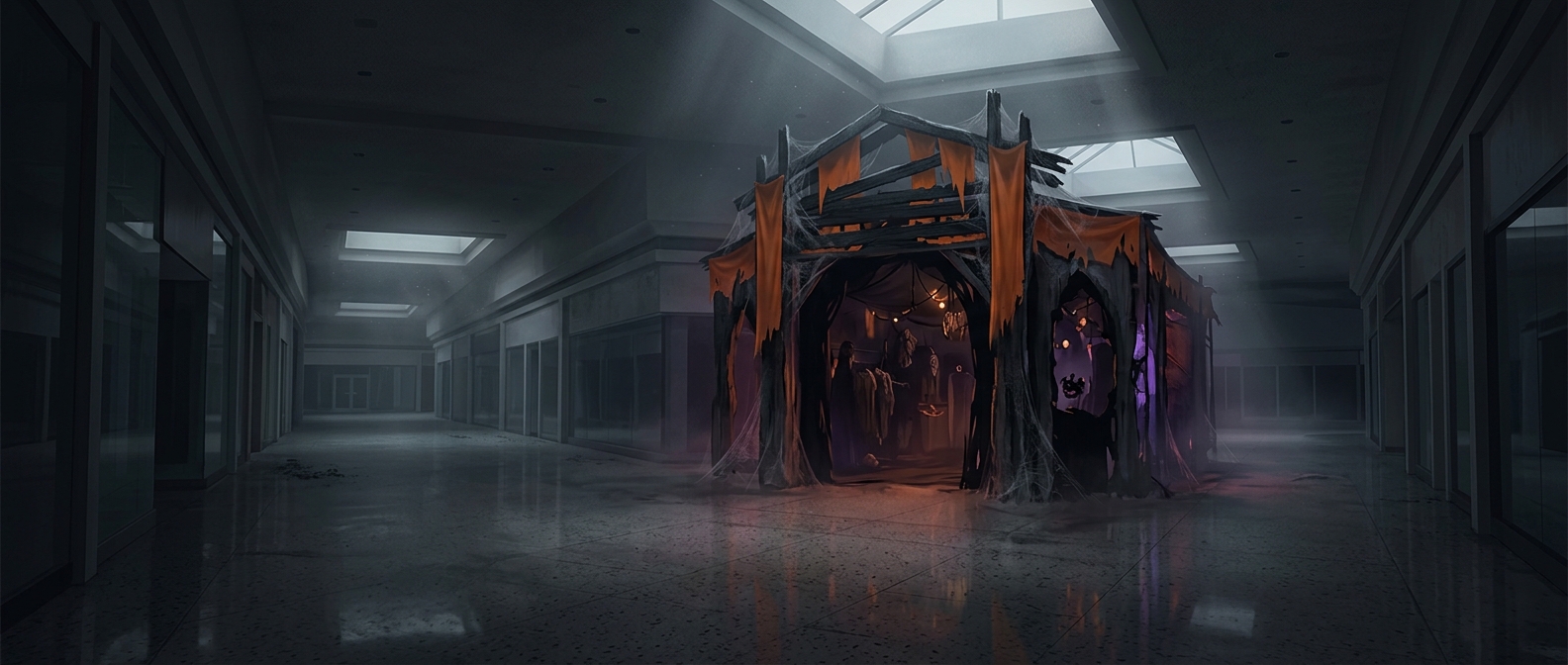
A former department store may be too large—and too costly—to keep open for an ordinary retailer, but its empty floor can be useful to a business whose selling season is tightly concentrated. Spirit Halloween can rent the space for a short stretch, stock it for the holiday rush, and leave when demand fades instead of paying for a year-round location.
That arrangement changes the economics of the store. A conventional retailer needs enough sales across many months to cover rent and operating costs. A seasonal shop has a narrower window: it must make the space pay during the weeks when customers are looking for costumes, decorations, and related goods. The short lease limits its commitment, though it also leaves little time to earn back the costs of opening and staffing the location.
A temporary tenant fills a gap
The space can work for both sides. The landlord gets a tenant and some use of a vacant property while continuing to seek a longer-term occupant. Spirit gets access to a large store that can accommodate a broad seasonal assortment without committing to a permanent lease.
The former retailer’s footprint also matters: a large, familiar shop is easier to turn into a destination than a tiny storefront when customers are comparing costumes and decorations. Once the holiday season passes, the temporary use ends, and the property can return to the search for a lasting tenant. The striking tradeoff is that a dark, year-round vacancy can briefly become a busy store—but only for the few weeks when Halloween makes that much space worthwhile.