When wakefulness blurs into dream
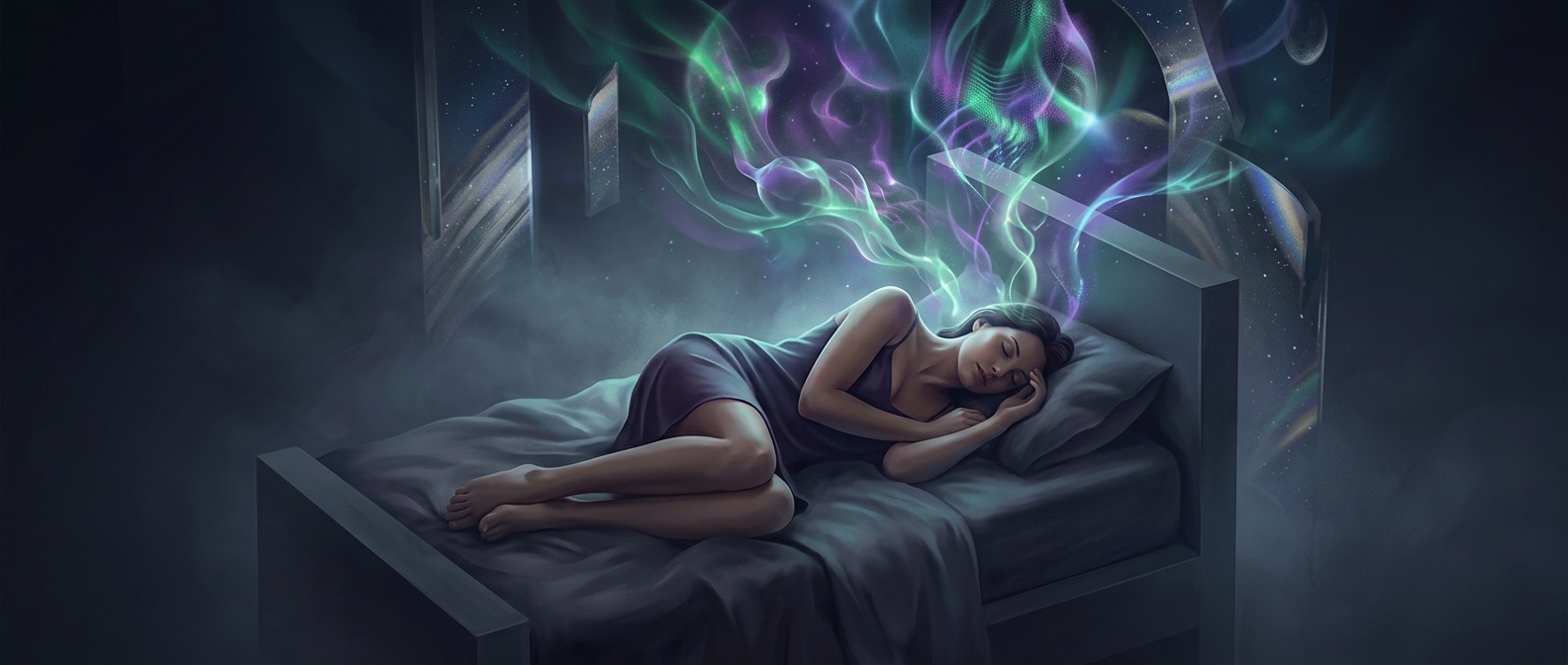
The brain does not simply stay fully alert until a person chooses to sleep. Under severe sleep loss, attention becomes patchy: brief microsleeps—seconds-long lapses into sleep—can occur without the person recognizing them. Perception and judgment also grow less reliable. In some cases, people see or hear things that are not there, or experience ordinary sights as unusually vivid and significant.
One reason these episodes can feel like encounters is that the boundary between waking and dreaming becomes less stable. Dreamlike images or sensations may intrude while someone seems awake. Exhaustion can also intensify emotion, making an experience feel charged with meaning rather than like a random perceptual error.
The experience and its interpretation
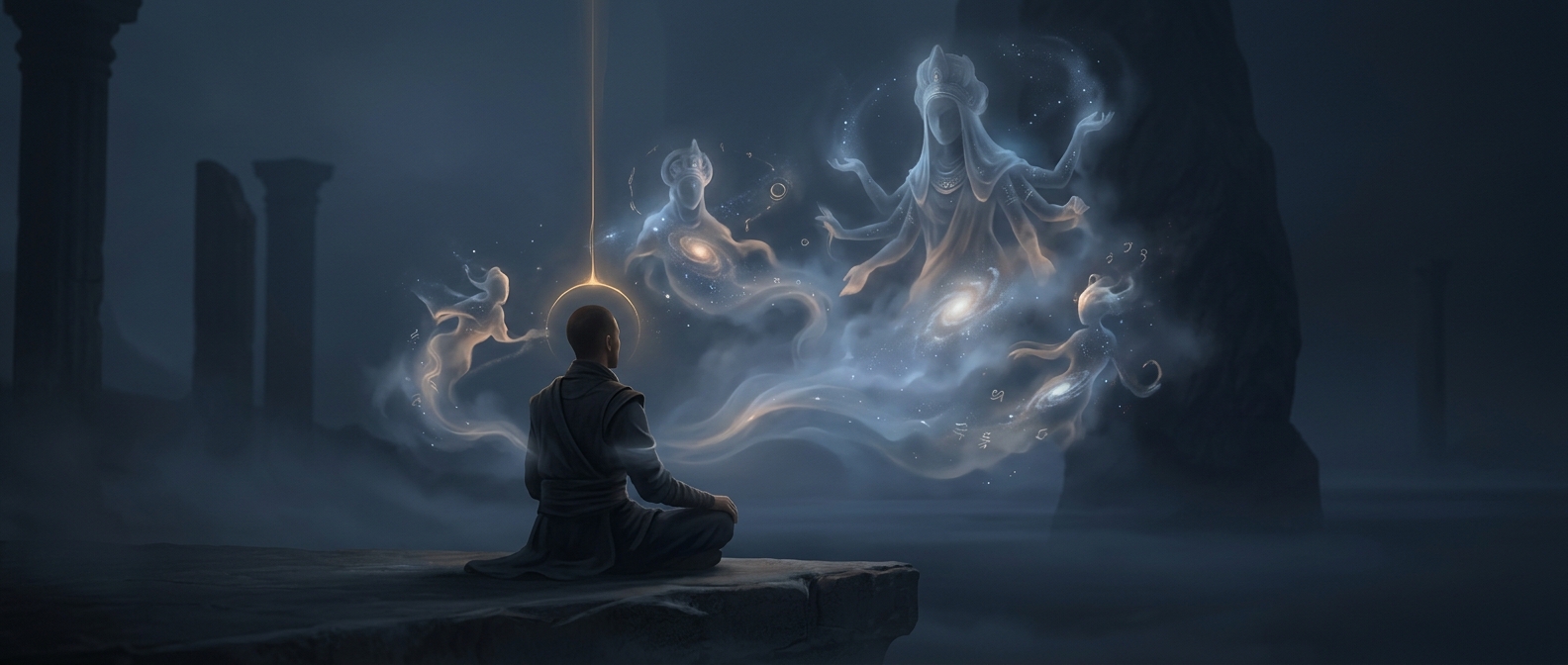
A hallucination does not arrive with its cause attached. A person makes sense of it through the beliefs and expectations they already have, including the language of a religious or mystical tradition. That interpretation can be sincere and important to them; it is not, by itself, evidence that the experience came from a supernatural source. Nor does describing the bodily effects explain away what the experience means within a person’s faith.
Why the aftermath can be severe
Sleep loss compromises more than perception. It can undermine concentration, coordination, and the ability to judge risk—precisely the capacities needed to decide whether to continue an all-night practice. When wakefulness finally ends, the body may need substantial recovery sleep. The resulting crash is a reminder that an intense experience has a physical cost, even when someone understands it as spiritually significant.