Why the Waking Mind Can Feel Dreamlike
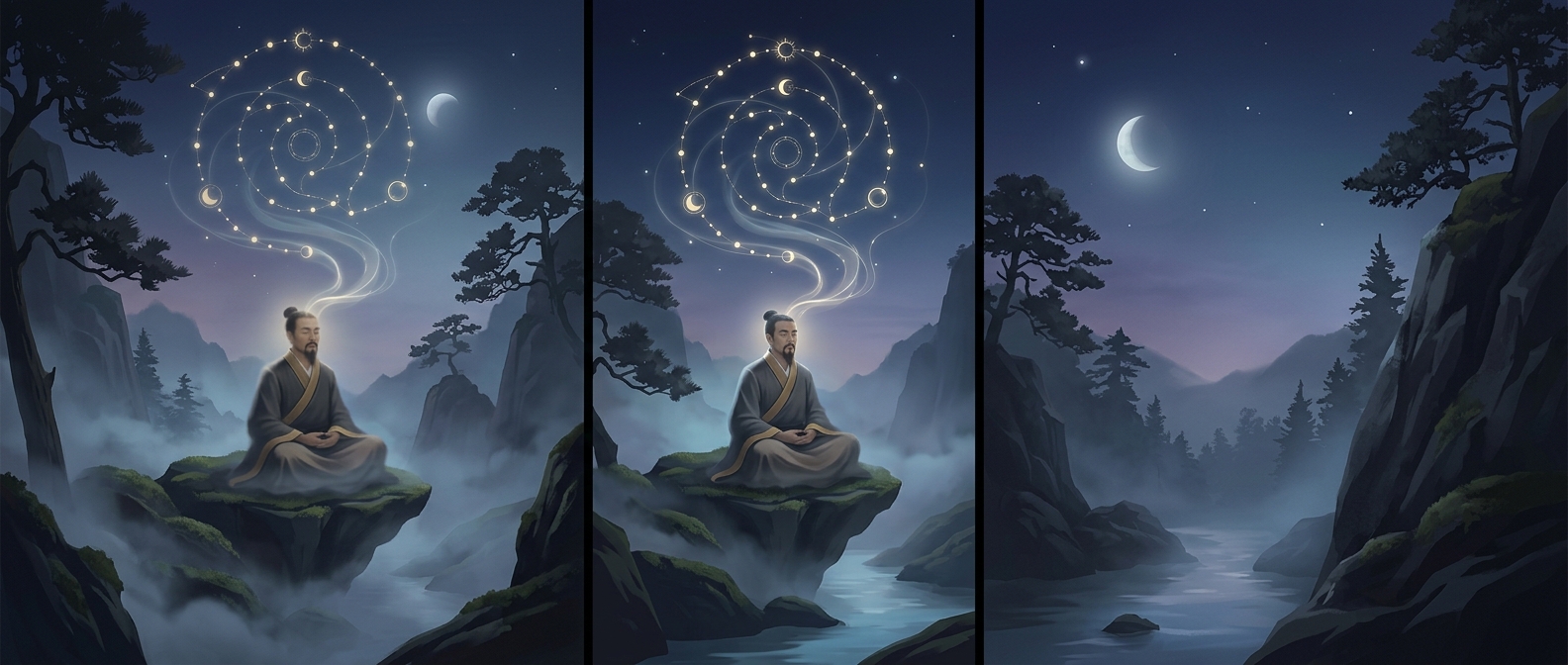
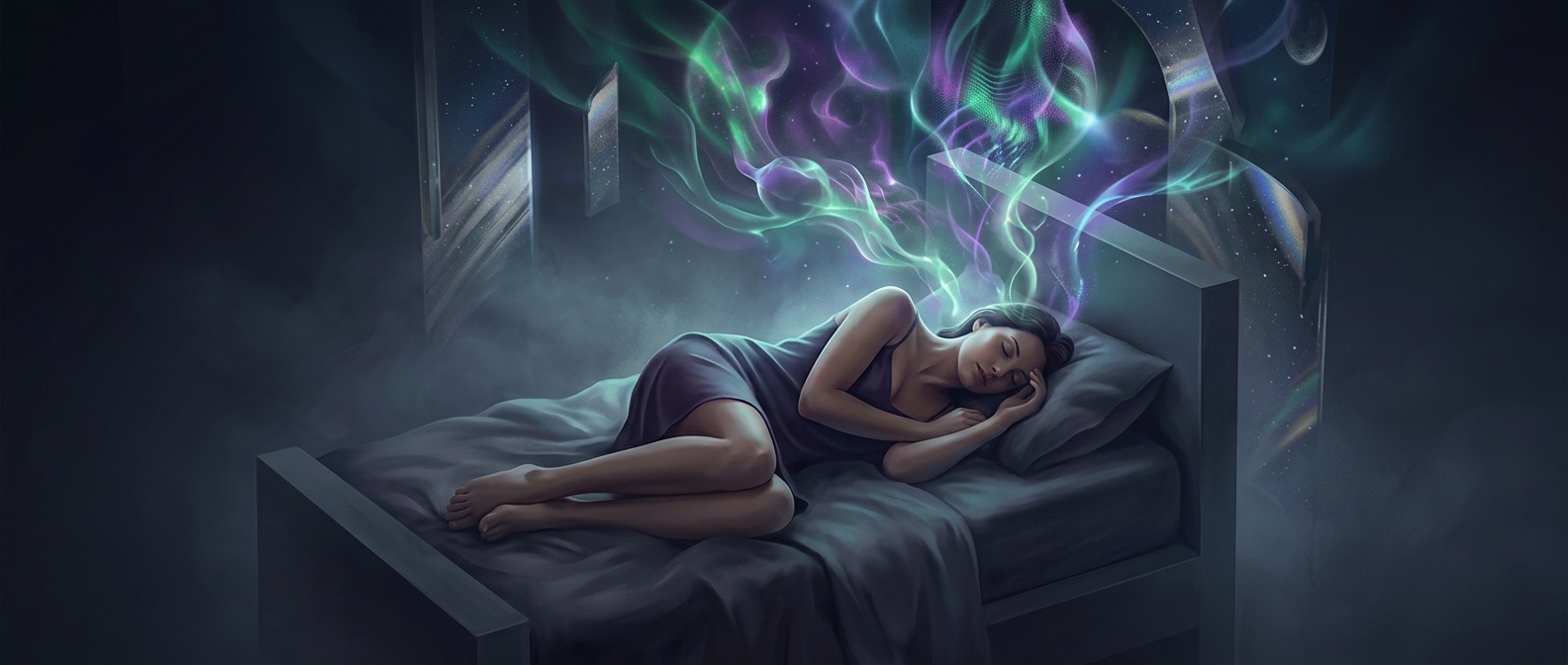
As sleep begins, attention loosens before awareness disappears completely. Images, fragments of speech, or shifting scenes can surface in this borderland between wakefulness and sleep, called the hypnagogic state. They may feel unusually vivid because the mind is producing dreamlike material while some awareness of the experience remains.
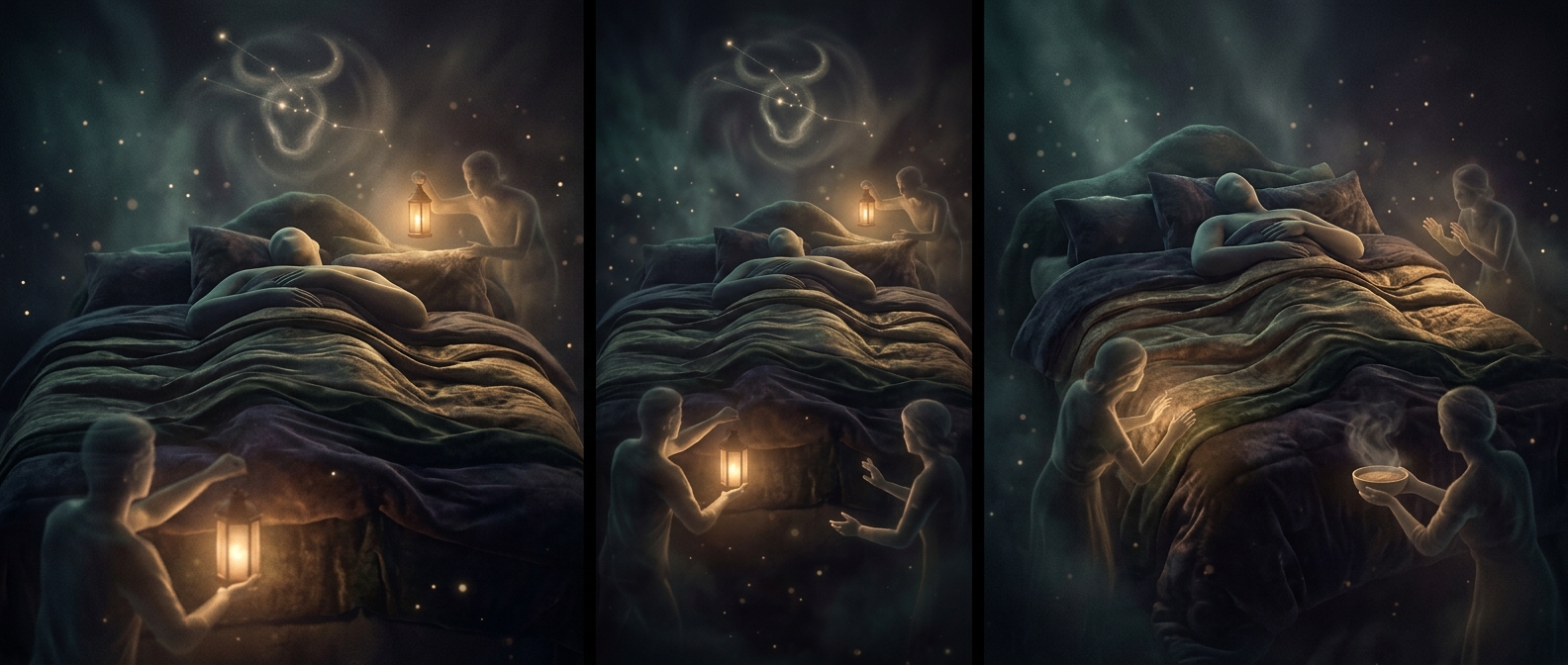
Interrupting sleep can make that transition easier to notice: a person who wakes and then returns to rest may encounter the drifting imagery with more conscious attention than they would while falling asleep at bedtime. Meditation during this groggy interval can also keep attention gently engaged. The result is not necessarily a fully formed dream; it may be a brief image, thought, or sensation that dissolves as alertness changes.
From Inner Imagery to “Vision”
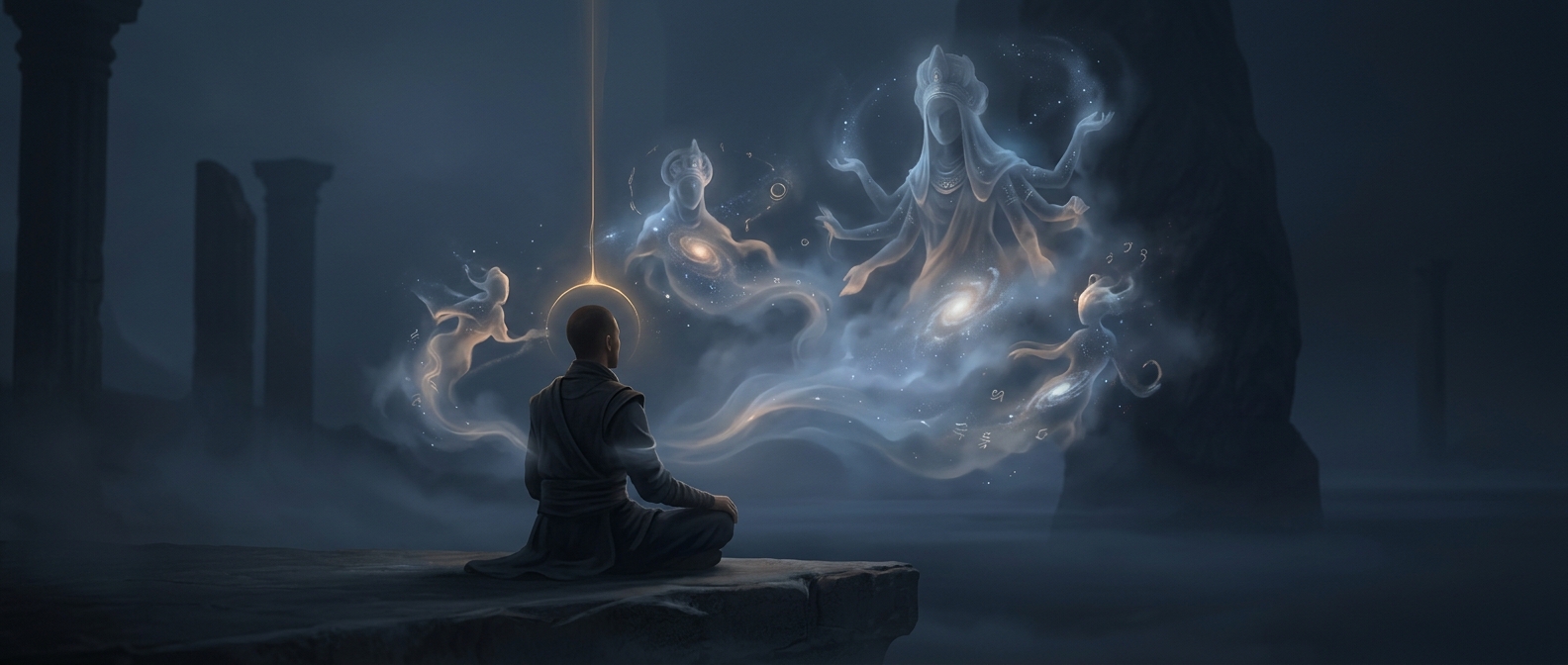
In a spiritual practice, these experiences may be treated as visions or as material for reflection. That interpretation gives the imagery meaning within the practitioner’s tradition, but the experience itself can arise from the ordinary shift between sleep and wakefulness. Its vividness does not, by itself, establish where an image came from.
The practice’s distinctive effect is therefore partly one of attention: instead of passing unnoticed into sleep, a person tries to observe the mind at the moment it begins to dream. That can make a fleeting mental scene feel like an encounter—especially when the body is still heavy with sleep and the image arrives before deliberate thought.