A private experiment in imagination
Jung did not treat the images that came to him as material to record and then forget. He returned to them deliberately, attending to scenes and figures that arose in his mind and imagining conversations with them. He called this practice active imagination: instead of merely analyzing a dream from a distance, a person engages with its imagery while remaining conscious.
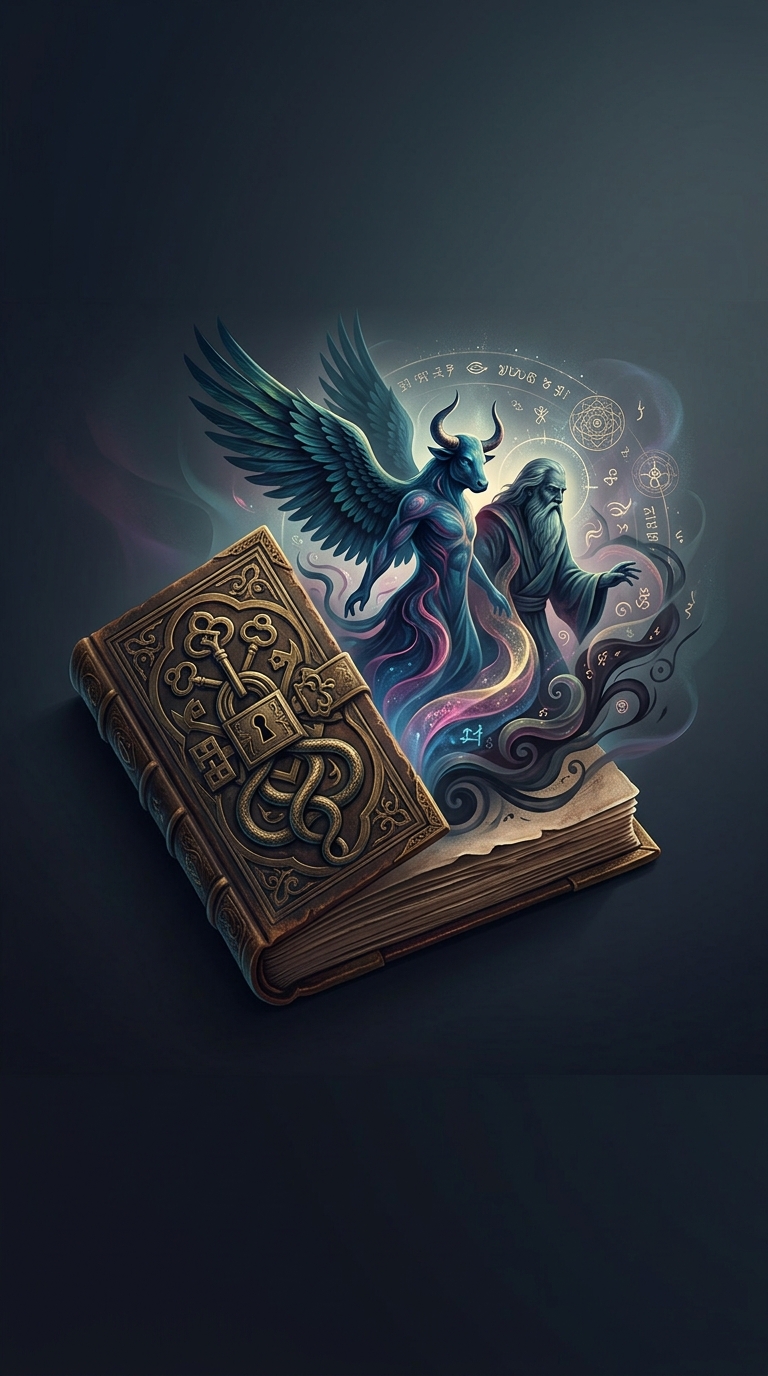
He then shaped these experiences into written scenes, interpreting and illustrating them. The result was not a conventional diary or a clinical case report. Its elaborate lettering and painted images made the manuscript itself part of the work: Jung was turning unsettling inner experiences into something he could examine, organize, and revisit.
From personal visions to psychological ideas
The book grew out of a period when Jung was trying to understand intense inner experiences. He regarded the figures and conflicts he encountered as psychologically meaningful, but that does not make them evidence of supernatural beings. The important distinction is between the reality of an experience to the person having it and a claim that its apparent characters exist independently.
Jung later developed ideas about the unconscious and symbolic imagery in other works. The Red Book offers a rare view of the personal process behind some of that thinking—not a neat scientific proof, but a record of how he explored images before turning them into broader psychological concepts.
Why the manuscript mattered after its long silence
Its eventual publication let readers see the images and carefully composed pages for themselves, rather than encounter Jung’s inner work only through summaries of his theories. That changed the book’s role: a private exercise became a document people could study as both an artwork and a record of one psychologist’s attempt to make meaning from his own mind.