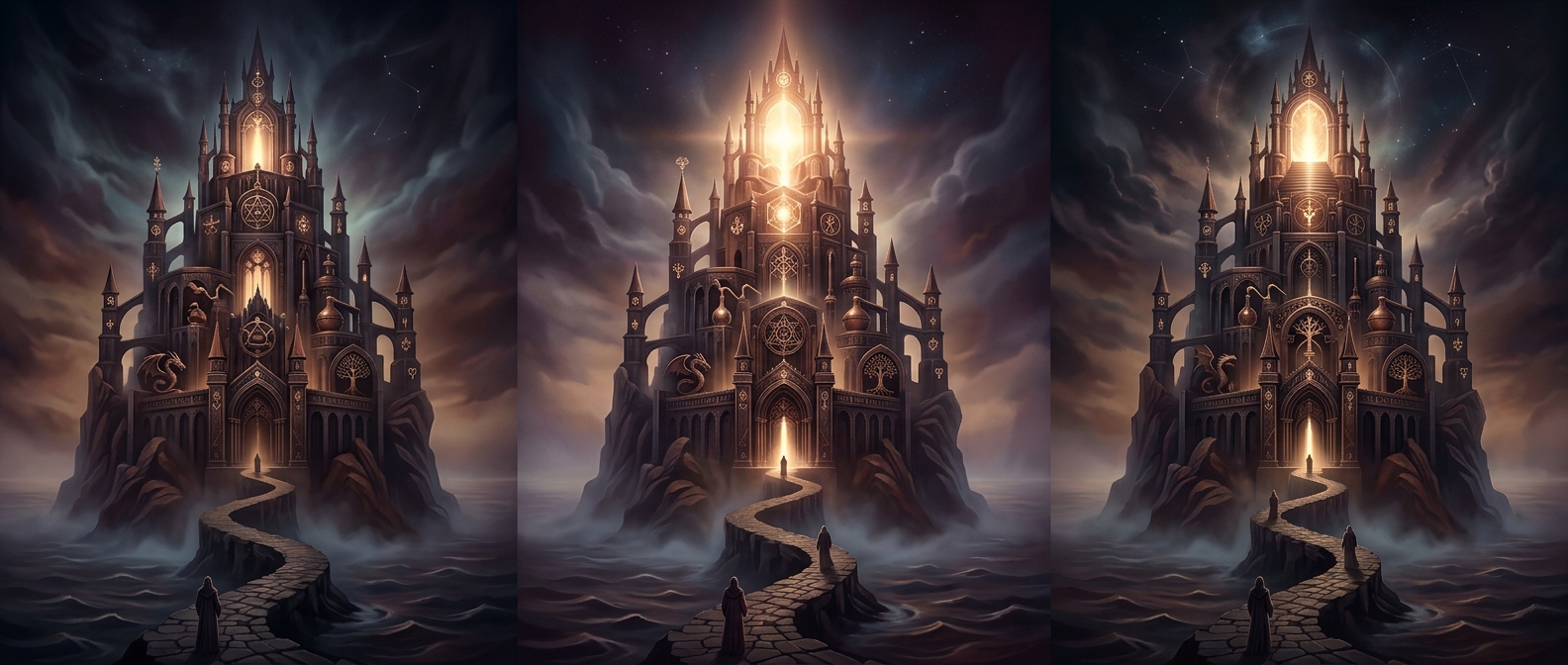
A nightmare shaped like a laboratory operation
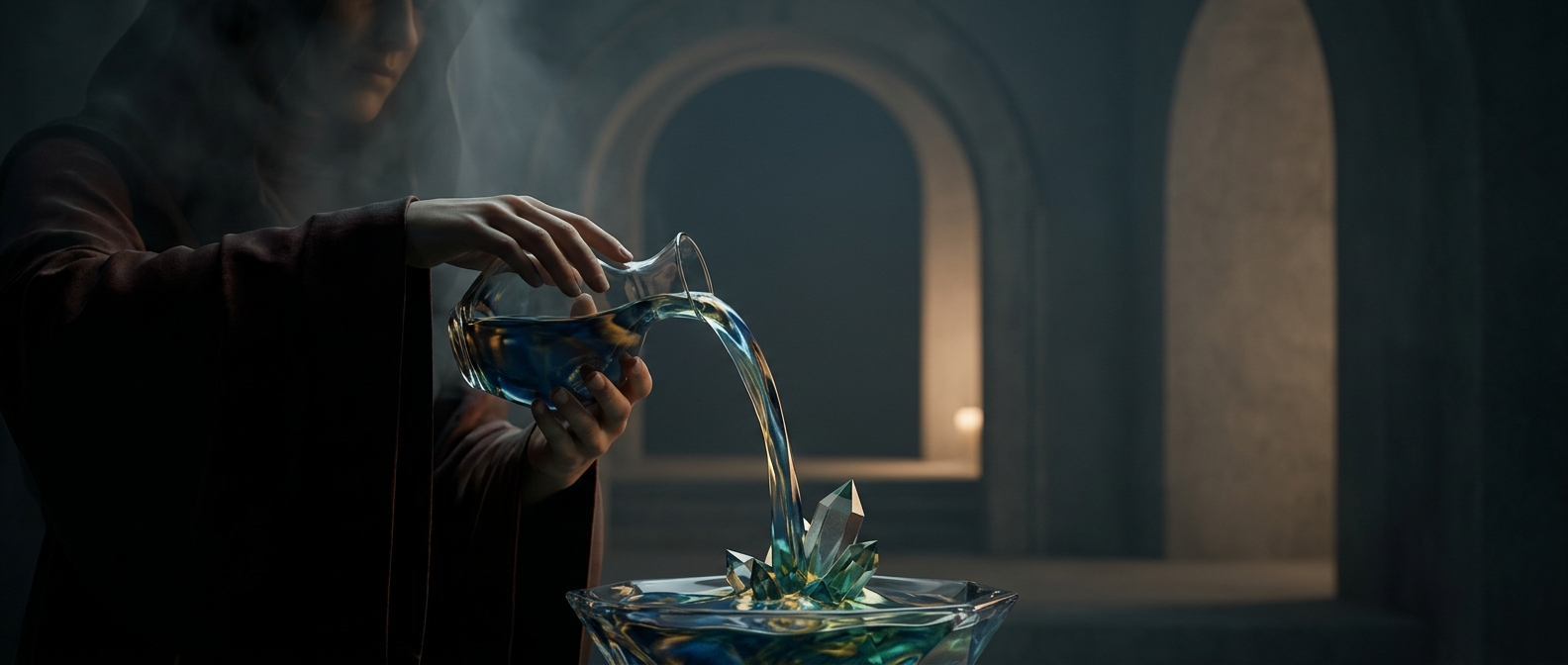
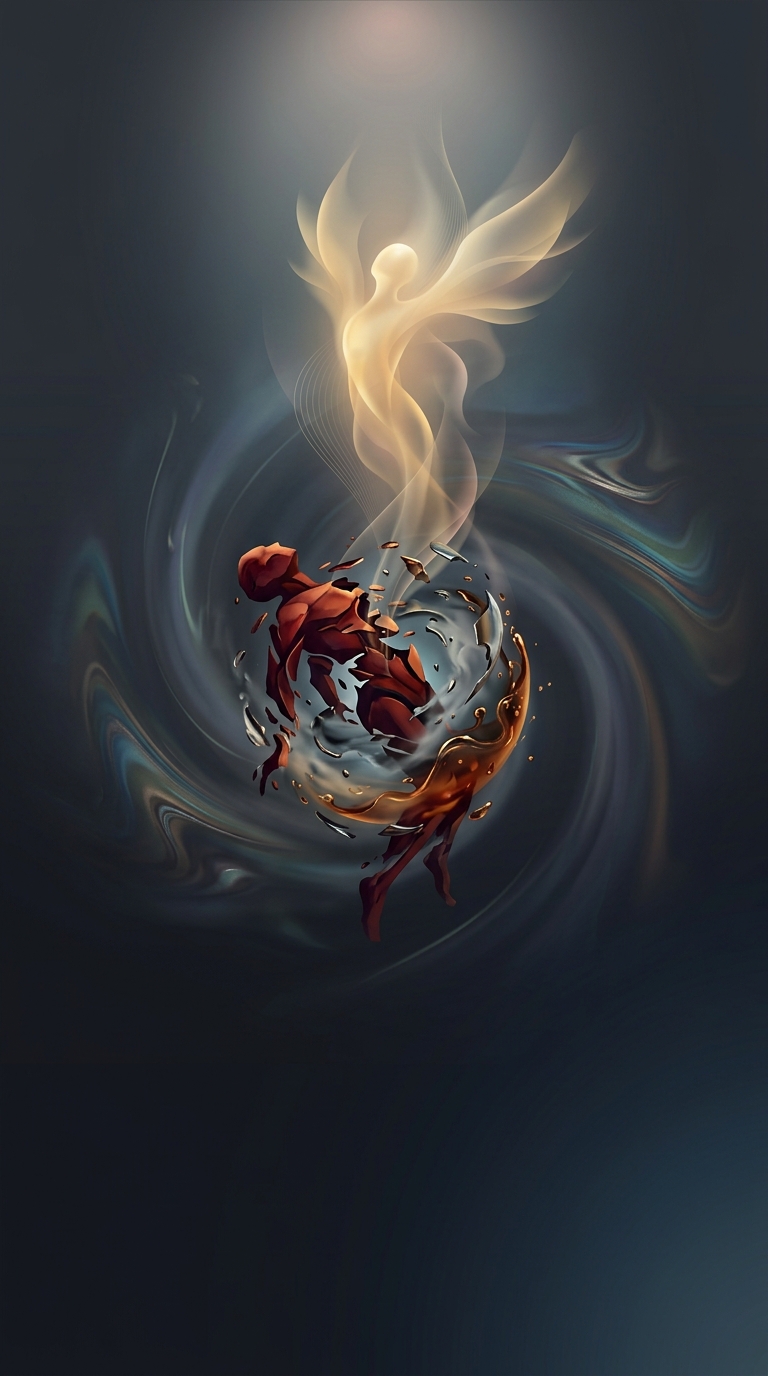
Ion’s ordeal makes more sense as a sequence of changes than as a story about suffering for its own sake. A body is broken down, subjected to heat, and made whole in another form. That sequence resembles the alchemist’s practical task: take a material apart through processes such as heating or distilling, then collect and recombine what those processes separate.
In early alchemy, these were not merely metaphors. They were ways of working with substances in vessels and furnaces. But Zosimos did not draw a clean boundary between workshop and spirit. He treated changes in matter as signs of deeper transformation, so an image of bodily destruction could describe both a chemical process and a change in the person seeking knowledge.
Why tell the process as a vision?
Alchemical writing often speaks indirectly. A vision can give a difficult operation a memorable shape while suggesting that its meaning extends beyond a recipe. Ion’s dismemberment conveys separation; boiling conveys intense treatment; reassembly suggests that the separated parts can form something new. The details invite interpretation rather than supplying a simple, step-by-step laboratory instruction.
That ambiguity reflects Zosimos’s larger view of the craft. For him, transforming matter and transforming the alchemist belonged together: the work demanded not just manipulating substances, but interpreting what their changes meant. The dream’s unsettling force comes from making that idea physical. In Zosimos’s alchemy, the substance being remade and the person trying to remake it were part of the same story.