Why alchemists wrote in riddles
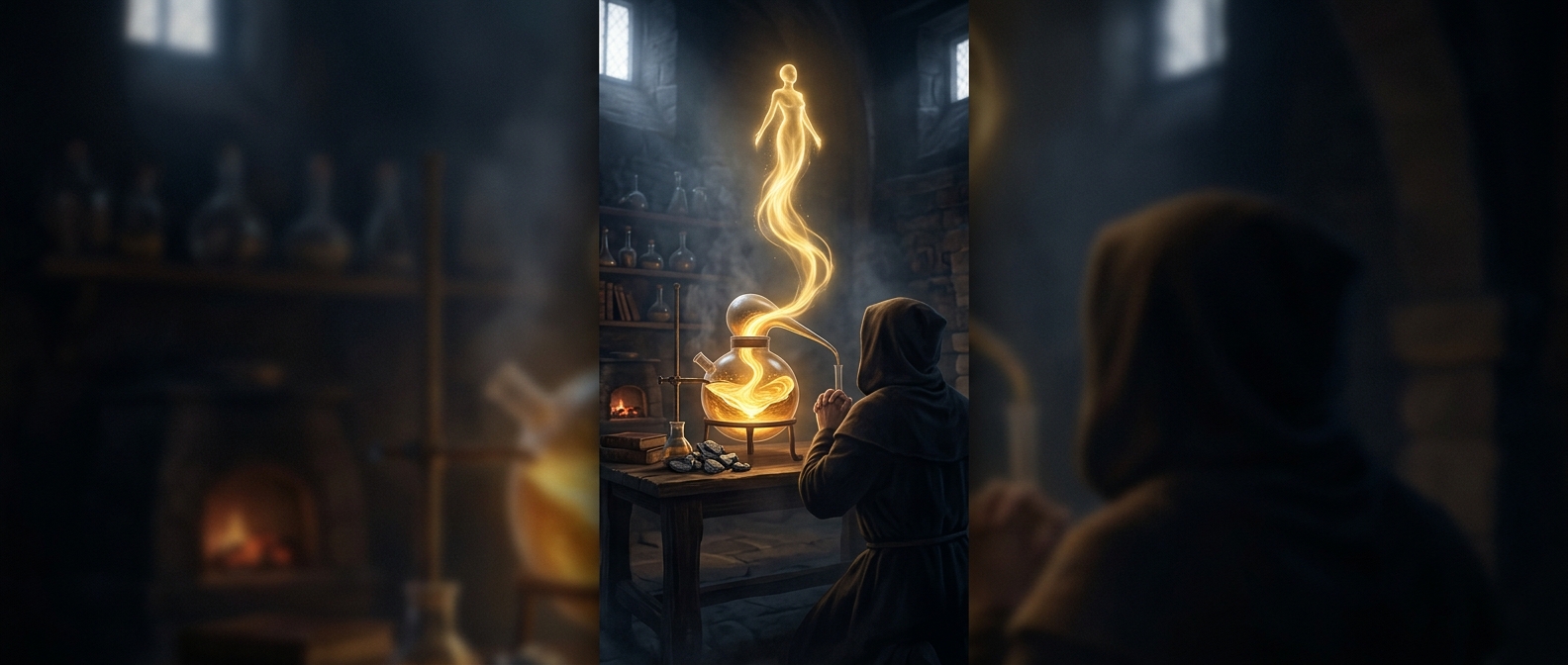
An alchemical instruction might describe substances as a king and queen joining, dying, or being reborn. Such images could point to physical operations—combining materials, heating them, or watching them change—without naming ingredients and procedures plainly. Readers had to connect the story’s sequence to observations at the workbench.
This obscurity could help keep practical knowledge within a circle of readers. It also reflected a way of thinking in which changes in matter were described through larger patterns of birth, death, union, and transformation. An image was not necessarily a simple code with one fixed translation: its meaning could depend on the surrounding text and the reader’s experience.
A metaphor could guide and mislead
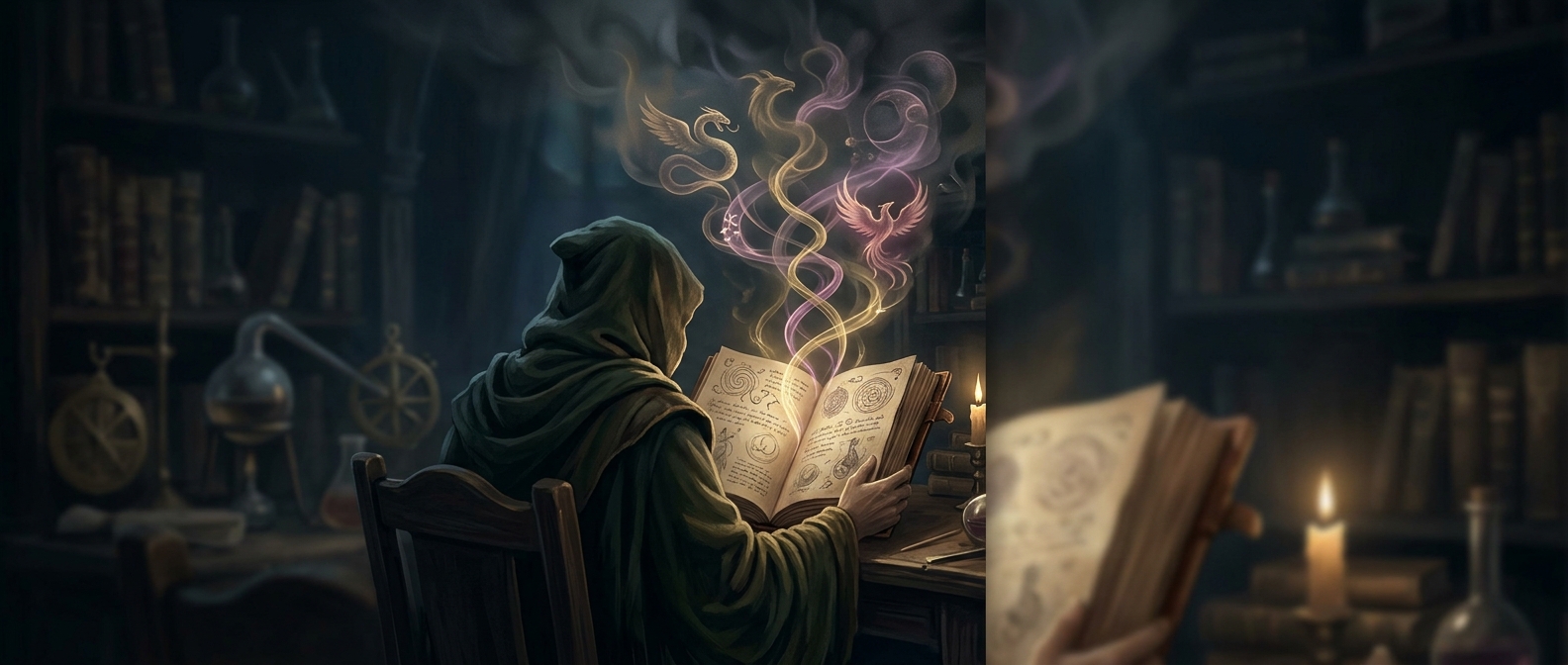
Alchemical writing often mixed symbolic language with practical description. A vivid image might help a trained practitioner remember a sequence or recognize a change in color, while leaving an inexperienced reader unsure what to do. The same passage could therefore preserve an idea while making it difficult to copy as a recipe.
That ambiguity is why such texts can be hard to interpret today. A modern reader may treat an allegory as pure fantasy, or assume every symbol conceals a precise chemical name. Often, understanding requires following the text’s clues and context rather than translating each image in isolation. The result is a record that can describe work with matter and, at the same time, make that work look like a symbolic drama.