The Goldmaker Who Found a Different Treasure
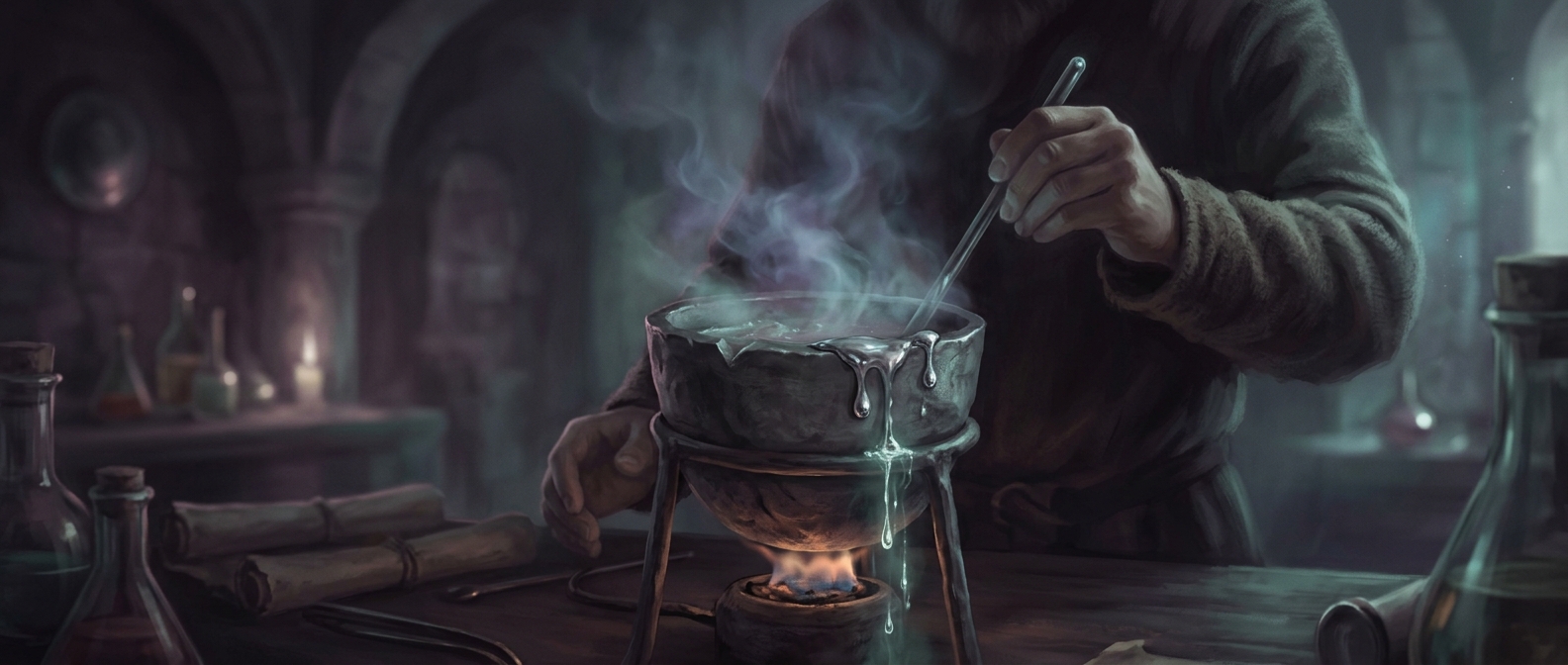
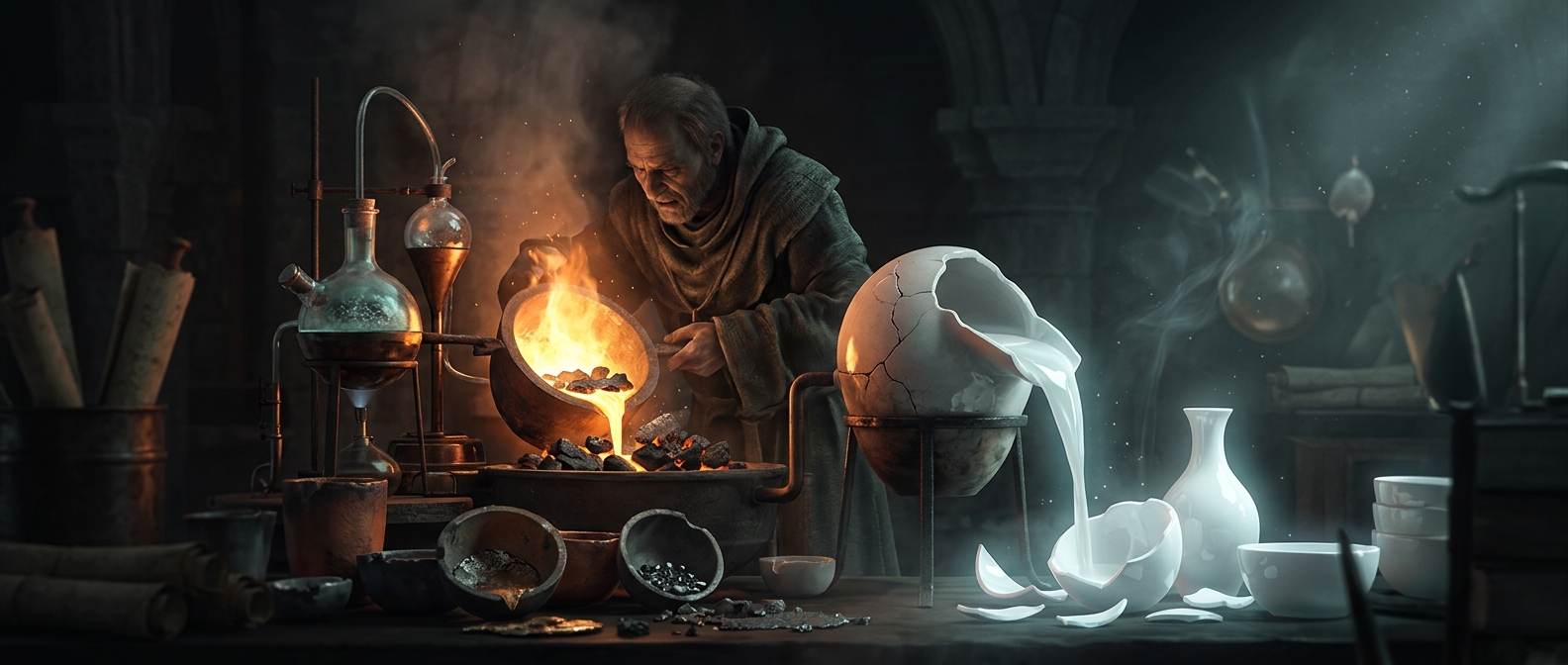
In the early 18th century, Johann Friedrich Böttger was kept under the control of Augustus the Strong, ruler of Saxony and king of Poland. Augustus wanted gold to finance his ambitions, and Böttger—an alchemist who claimed he could make it—was pressed to deliver. But turning base metals into gold was a dead end. The experiments instead helped solve a far more practical puzzle: how to make porcelain like the coveted wares imported from China.
Why Porcelain Was So Hard to Copy
European potters could make earthenware and stoneware, but neither matched porcelain’s combination of whiteness, strength, and, in thin pieces, slight translucence. The crucial ingredient was kaolin, a fine, pale clay that could withstand intense heat without slumping. Mixed with other minerals and fired at high temperatures, it formed a dense, glassy material.
Böttger’s breakthrough came through sustained experiments with clays and minerals, not from a single lucky batch. He worked alongside the scientist and mineralogist Ehrenfried Walther von Tschirnhaus, whose work on high-temperature furnaces helped make the necessary firing possible. By 1708, they had produced European hard-paste porcelain, the kind made from kaolin and fired into a rigid, vitrified body.
From Secret Recipe to Industry
Making a successful sample was only the beginning. The process depended on finding suitable raw materials, controlling the mix, and maintaining extreme heat consistently. Once the recipe and production methods were developed, Saxony established a porcelain manufactory at Meissen in 1710. Its wares could be made and sold in Europe rather than obtained only through costly imports.
The irony is concrete: a ruler’s costly search for a way to manufacture gold helped create a new industry. Böttger did not turn clay into precious metal; he helped turn local clay and minerals into porcelain that Europe had struggled to make for generations.