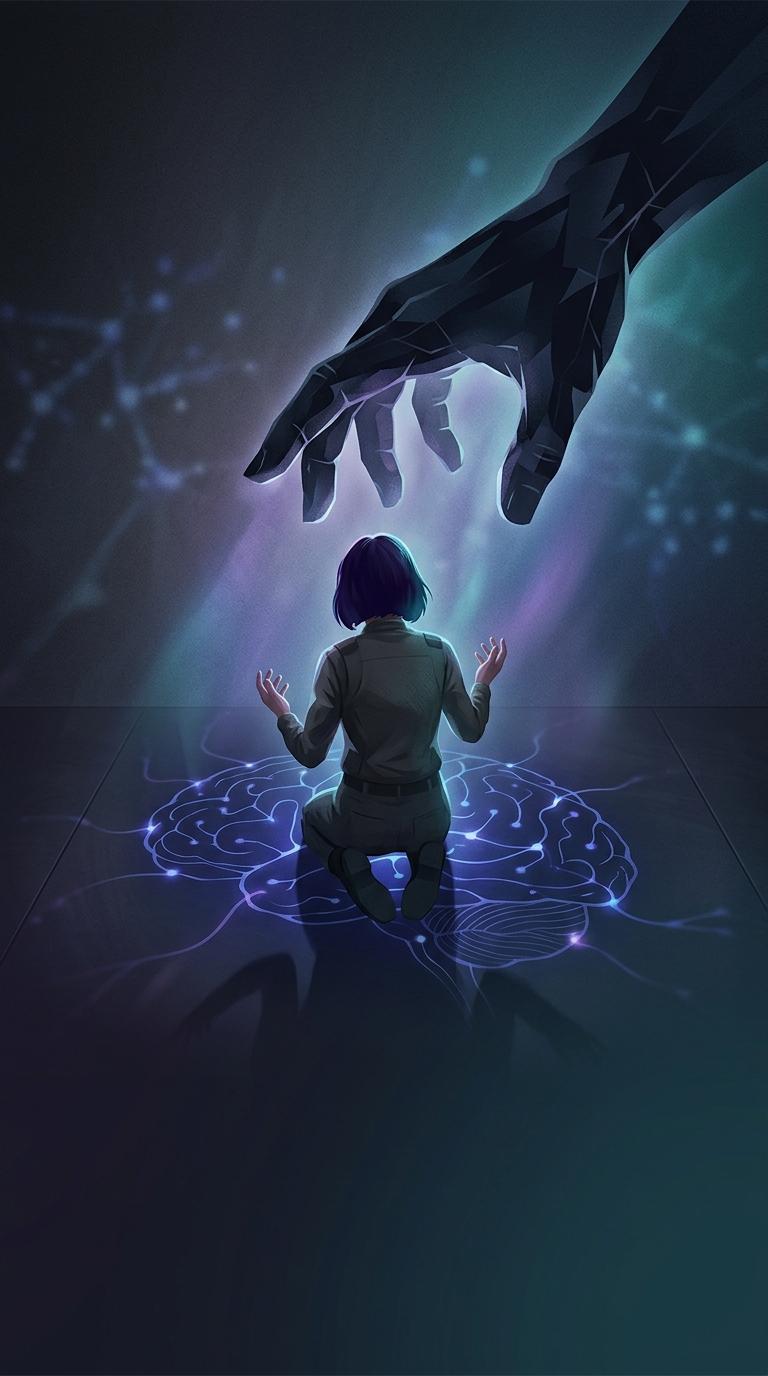
The mind rehearses a reversal
A slight can leave you feeling exposed: someone dismissed you, took credit, or made you look foolish, and you had no good response in the moment. Later, imagining the perfect comeback reverses the scene. In the replay, you choose the words, the other person has to hear them, and the balance shifts.
That imagined control matters because the original event may have felt unresolved. A comeback fantasy supplies a neat ending: the offender is corrected, your point lands, and the humiliation is replaced by vindication. You can get some of the satisfaction of that ending without taking any action.
Why anticipation can feel like a payoff
The reward is not only in picturing the other person’s reaction. It also comes from mentally preparing a response that seems sharp, effective, and deserved. The mind can treat this imagined success as a small rehearsal of success: you already know what you would say and can picture the scene going your way.
That is different from deciding that revenge is wise. The fantasy offers an immediate emotional correction, while a real confrontation brings uncertain consequences—an argument, a damaged relationship, or simply no satisfying reaction from the other person. Imagination lets you keep the satisfying version and skip those complications.
When the replay stops helping
The same rehearsal can keep the original slight active. If you repeatedly rebuild the scene, each version may renew your anger rather than settle it. The fantasy can feel like progress because it gives you a sense of command, even if it does not change what happened or what you need now.
A useful distinction is whether the imagined response helps you identify a boundary or conversation you actually want to have, or merely invites another round of the same scene. Sometimes the “perfect comeback” feels rewarding because, in the replay, you finally get the last word—even when the real need is to stop giving the moment another turn.