How a Racket Starts to Feel Like Part of the Arm
A skilled tennis player does not literally mistake a racket for a limb. Instead, the brain learns to use the racket as part of the body’s working reach. During play, the player attends not only to the hand gripping the handle but also to where the racket head is, how it is moving, and where it will meet the ball.
That ability depends on combining signals from vision, touch, and movement. Each swing provides feedback: the hand feels the grip, the eyes track the racket, and the arm senses the effort and direction of the motion. With practice, the brain gets better at predicting how a movement of the arm will move the racket. The tool becomes easier to control as one coordinated action rather than a hand movement followed by a separate object movement.
The Brain’s Map Is Flexible, Not a Literal Redraw
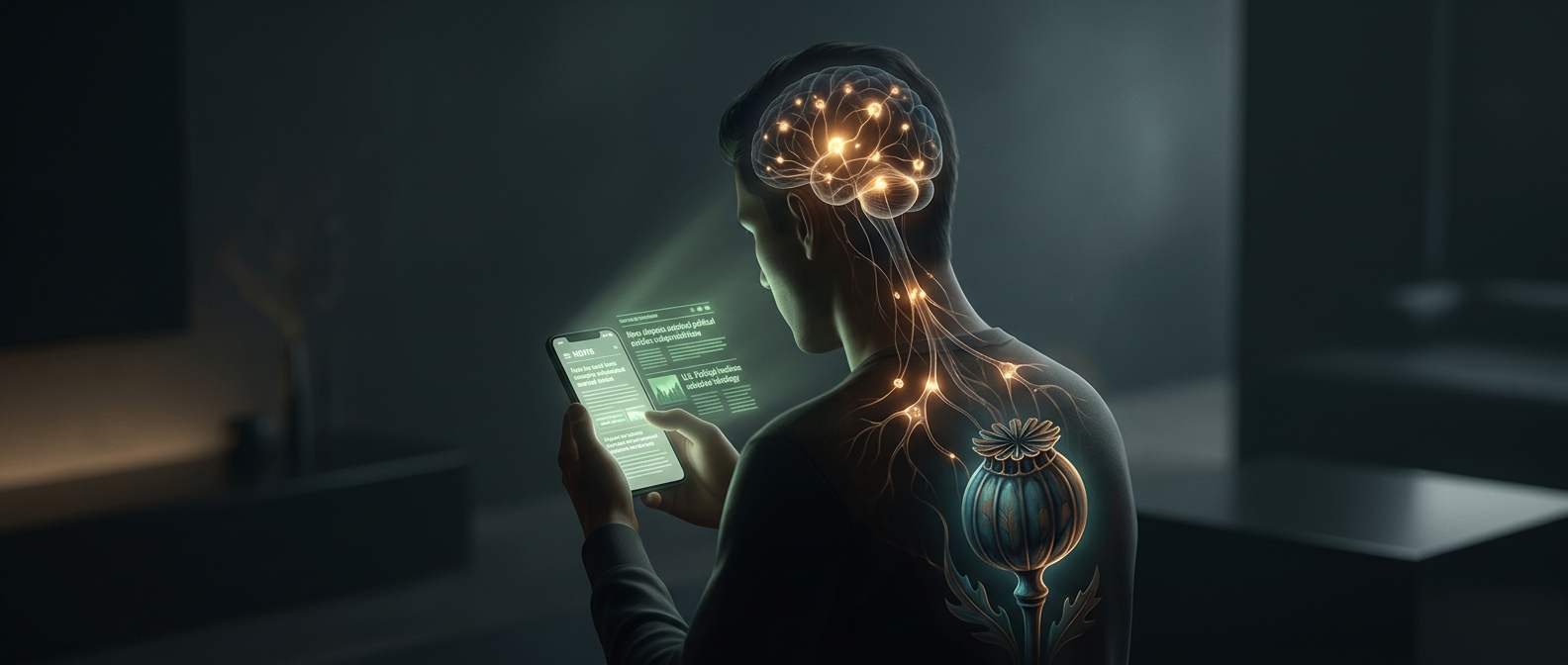
Researchers use body schema to describe the brain’s constantly updated, practical sense of the body’s position and capabilities. It helps a player reach, balance, and guide a shot without calculating every joint angle. Tool use can change this working sense of reach: the racket’s tip matters because it is now the point that contacts the ball.
This does not mean the brain grows a new patch of body tissue for the racket, or that the racket becomes biologically part of the arm. Nor does every familiar object produce the same response. The effect depends on how a tool is used and on the brain’s ability to link its movements and feedback to the user’s actions.
Why the Skill Matters on Court
A player has to judge the racket head’s position at speed, often while watching the ball and moving across the court. Once the racket’s behavior is well learned, attention can stay on timing and placement instead of the mechanics of holding and swinging it. The racket is still an external object—but in the player’s practiced movement system, its reach can feel like an extension of the arm.