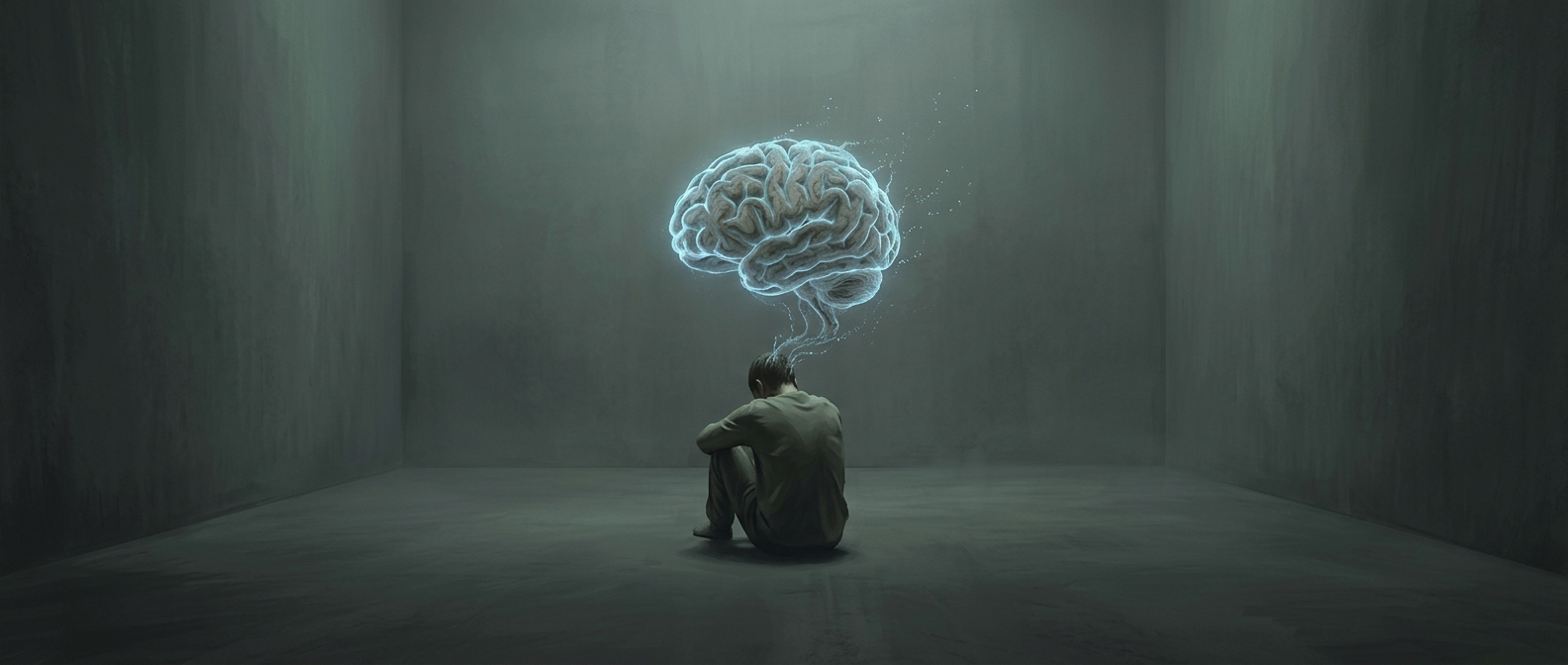
How surroundings reach the brain
A stimulating environment changes what an animal’s brain has to do. New objects invite exploration; varied surfaces and routes demand movement and coordination; social contact adds signals to interpret. These experiences repeatedly activate networks of nerve cells, and repeated activity can alter how those cells connect.
At a connection called a synapse, one nerve cell passes a signal to another. With use, some synapses can become more effective, while others may weaken. The branching extensions that receive signals can also change. In animal studies, enriched environments have been associated with differences in these connections and in brain regions involved in learning and memory, such as the hippocampus.
Change is built through repeated experience
This is not a brain being reshaped all at once. It is a gradual process: an animal encounters a challenge, the relevant circuits become active, and the brain adjusts as those experiences recur. A more varied setting can provide more opportunities for that cycle than a bare enclosure, where there may be fewer things to explore or problems to solve.
The changes are not a simple measure of intelligence, and “richer” does not mean endlessly adding stimulation. Effects depend on the animal, its stage of life, and the kind of experience. The important point is that the brain develops in response to use: an environment can influence not only what an animal learns, but also the physical circuitry available for learning.