Why routine tasks can help a problem move
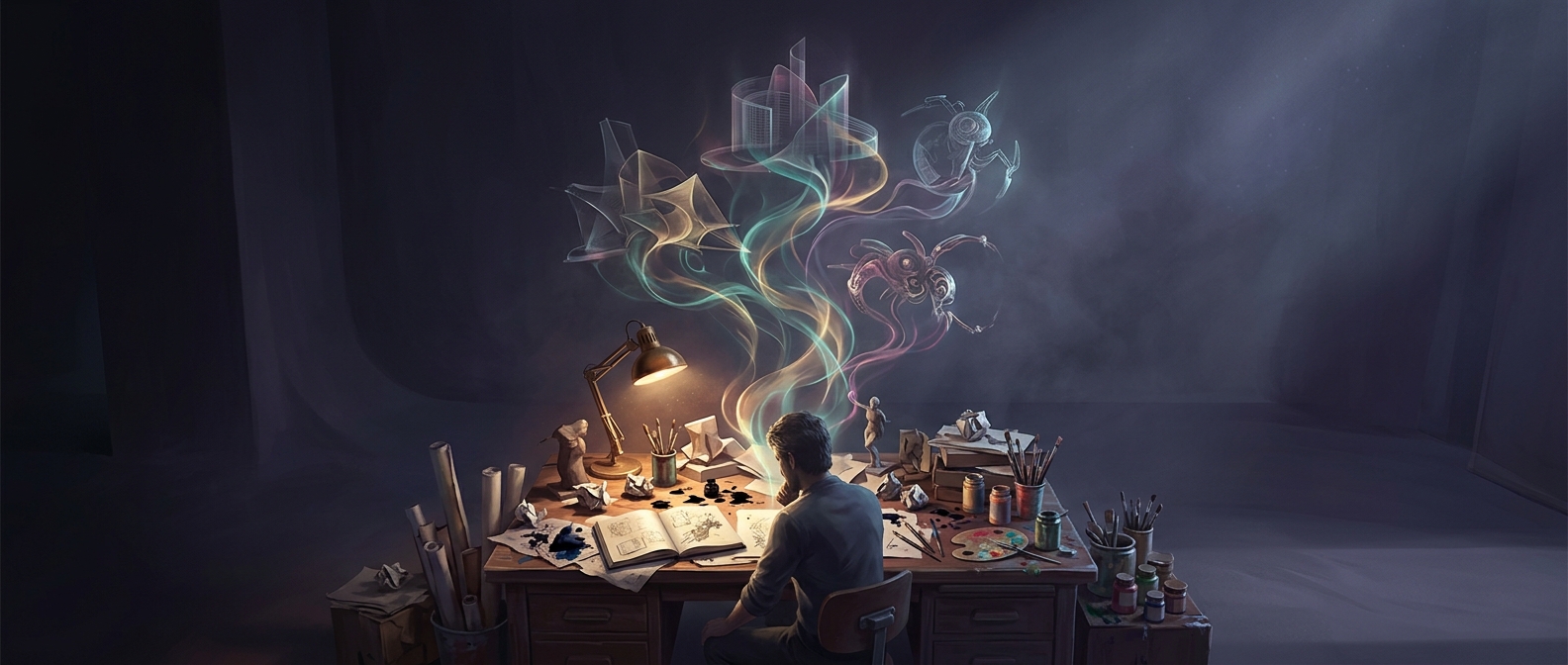
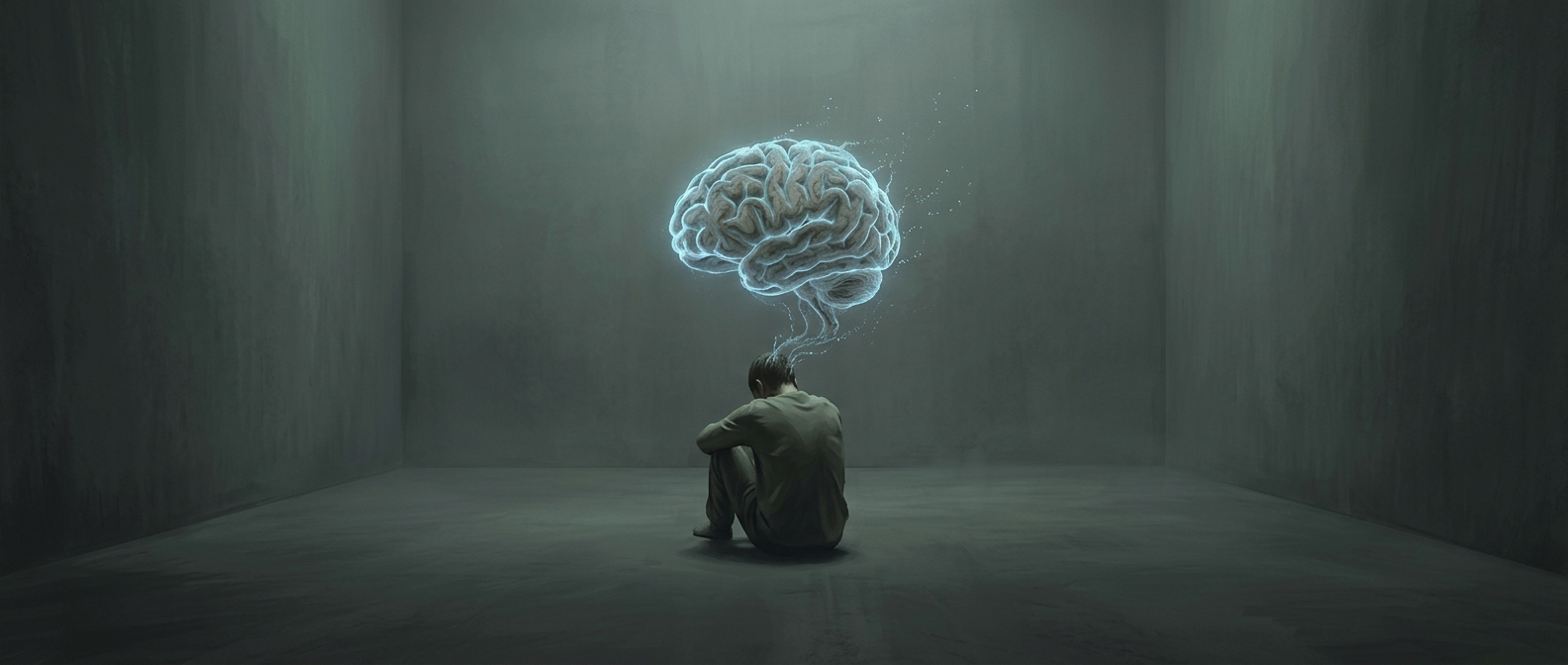
When you concentrate hard on a difficult question, attention tends to narrow: you keep testing the same possibilities and returning to the details that seem most relevant. That focus is useful, but it can also make a familiar approach hard to leave behind.
A familiar, low-stakes activity can interrupt that loop without demanding much thought of its own. Showering involves simple choices and repeated movements, so attention has something to lightly occupy it while the problem no longer has to stay at the center of awareness. Psychologists call this kind of pause incubation: stepping away from active effort can give previously considered ideas a chance to combine in new ways.
From drifting thoughts to a useful connection
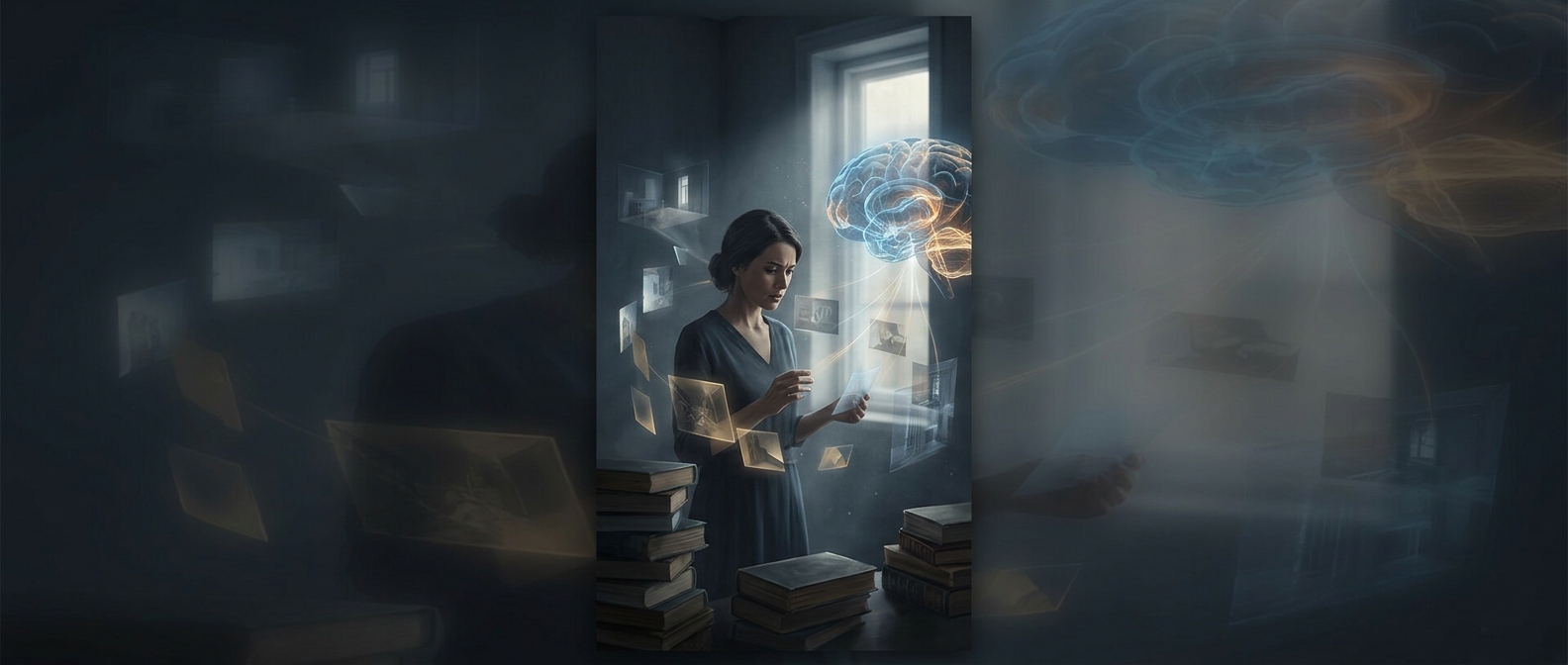
The mind does not stop processing just because you stop deliberately working. Memories and partial ideas can surface in less orderly ways, and a passing association may link two pieces that seemed unrelated during focused problem-solving. With fewer competing demands, that connection may become noticeable—sometimes as a sudden “aha” moment.
This is not a special property of water, nor does every break produce insight. The effect is more plausible when the problem has already occupied your mind enough to supply material for new connections, and when the break is undemanding rather than absorbing. A fast-moving conversation or a complicated task can consume the attention that a quiet routine leaves available.
The idea still needs a second look
A sudden answer can feel convincing because it arrives with a sense of clarity. But the feeling of insight is not proof that the idea works. Once the shower thought has been captured, checking it against the original problem separates a genuinely useful connection from one that merely sounds elegant in the moment.