Why hostility makes a romance move
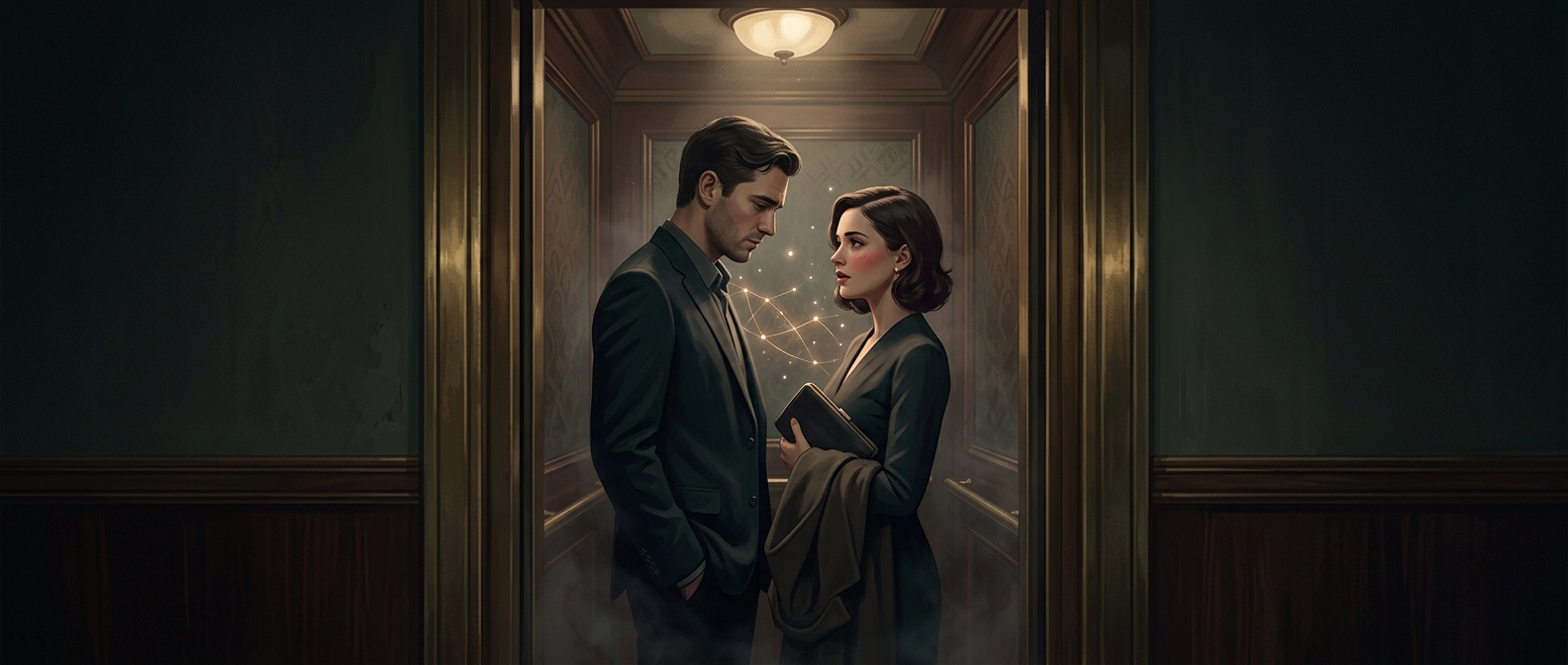
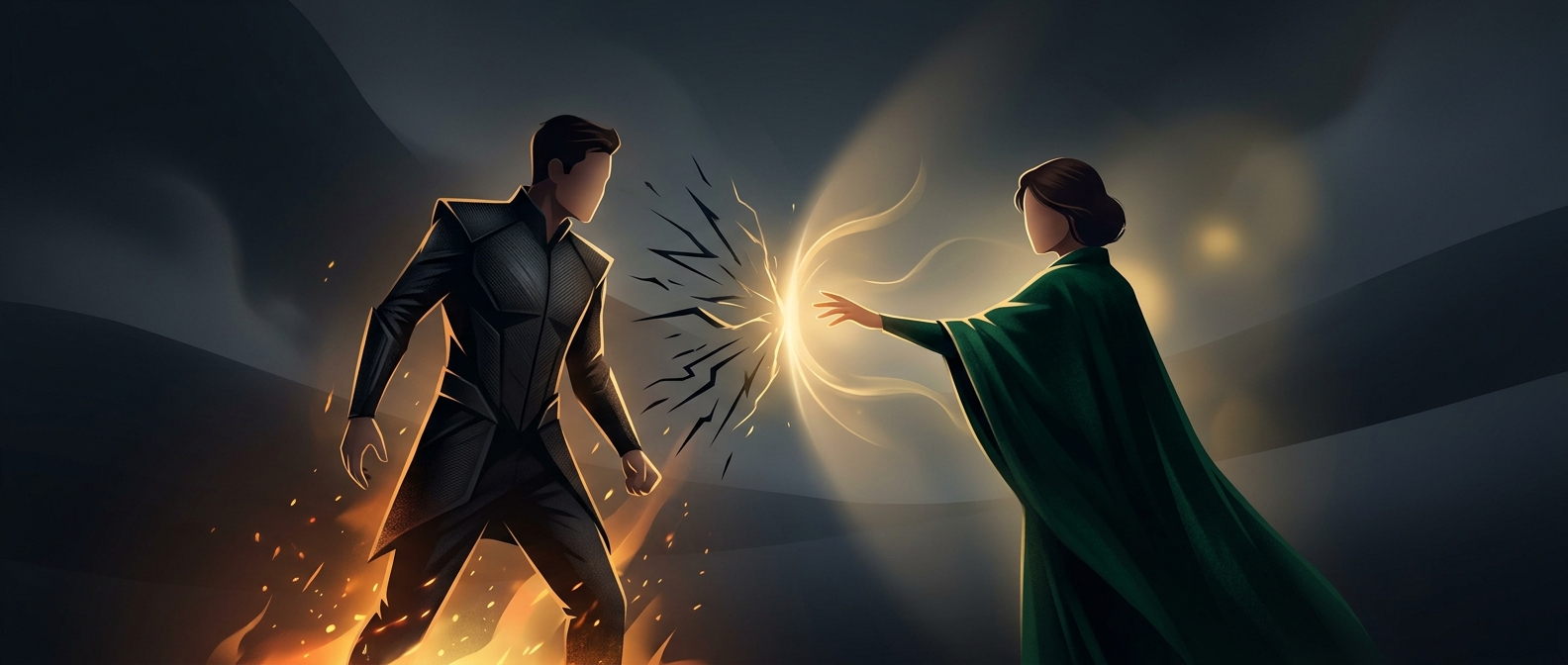
A romance needs more than two appealing people: it needs a reason they cannot simply get together at once. The enemies-to-lovers setup supplies that obstacle inside the relationship itself. Each sharp exchange creates friction, while each encounter gives the characters another chance to notice what lies beneath their first impression.
That makes conflict do double duty. The characters push against each other, but the audience also watches for signs that the hostility is changing: a moment of respect, an unexpected act of care, or a glimpse of vulnerability. Attraction feels earned when it grows out of those shifts rather than appearing without explanation.
The tension is in the change
The most useful version of this setup gives both characters a reason for their opposition. They might compete, misunderstand one another, or disagree about what matters. As the story reveals more, each has to revise a judgment—or confront a flaw in their own outlook. The romantic turn then signals a change in how they see one another, not just a switch from insults to kisses.
That arc also creates a built-in pacing problem for filmmakers: the antagonism must be strong enough to delay intimacy, but not so cruel that a later romance feels implausible. The story has to show why the characters' behavior changes and why trust can take its place.
Why audiences keep watching
Viewers can enjoy the banter while anticipating the moment it stops being purely combative. The central question is not only whether the pair will become a couple, but what each will have to recognize or give up to get there. The appeal lies in watching resistance turn into understanding. A well-earned reconciliation can make the eventual romance feel like the payoff to two intertwined character arcs.