Why purée can feel like less of a meal
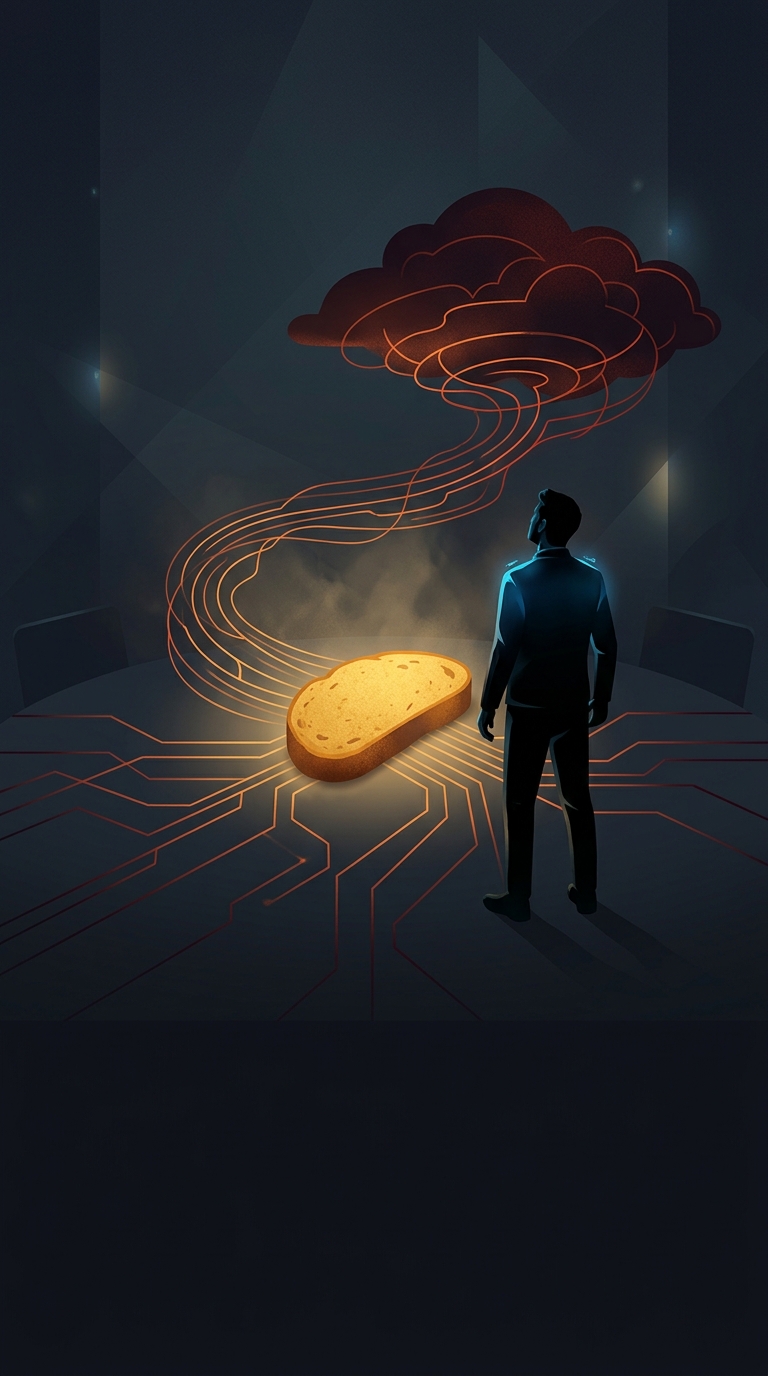
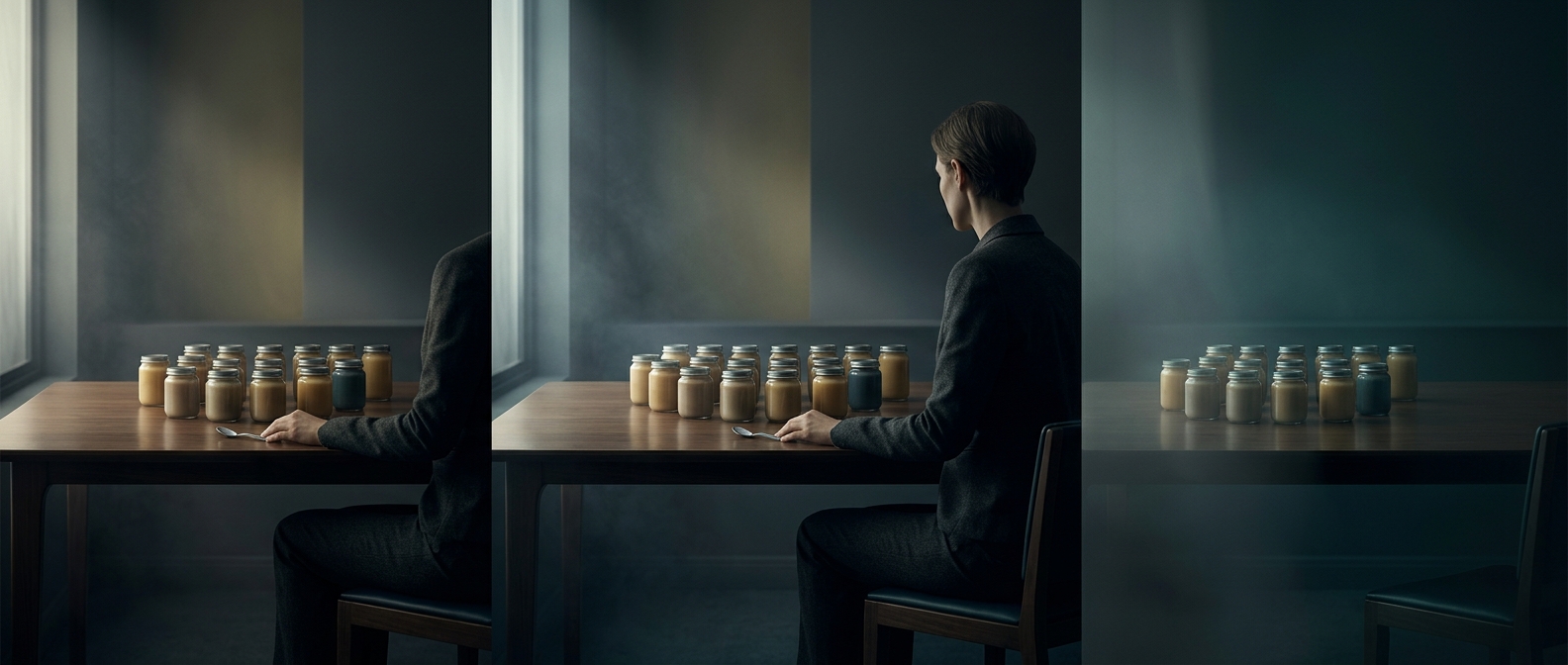
Baby food is designed to be soft enough for infants who are learning to eat, not to make a full adult meal. Its smooth texture changes how eating feels: there is little resistance to bite through, and each spoonful takes little chewing. That can make a serving disappear quickly, before the slower experience of eating a more textured meal has had much time to register.
Chewing is part of the meal’s sensory experience. It gives the mouth repeated work and helps set the pace; a purée offers less of both. The result is not that purée cannot nourish an adult, but that a small jar may leave the person wanting more—especially if the meal lacks the volume or mix of nutrients that would make it satisfying.
Portion size is not the same as adult nutrition
Baby-food servings are sized for infants, whose needs and eating patterns differ from adults’. Eating several jars may supply food, but it does not automatically make a balanced adult meal. Products vary, and a fruit purée, for example, is not interchangeable with a meal that includes protein, fiber, and foods to chew.
That distinction explains the diet’s central tradeoff: small, ready-made portions can make intake feel controlled, while their size and texture may make satisfaction harder to achieve. When a meal is over in a few spoonfuls, the eater may finish the portion without feeling that the meal itself is finished.