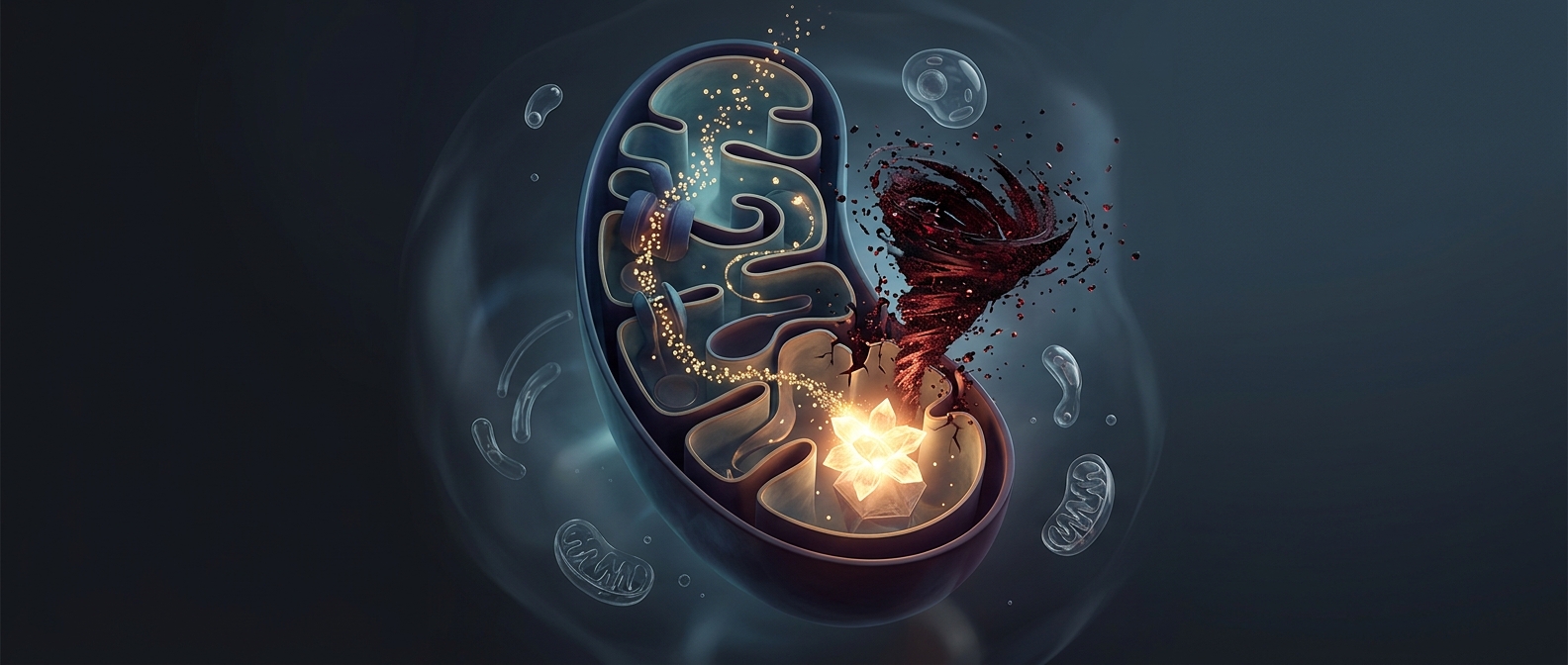
A missed meal changes fuel use, not the body’s operating mode
Between meals, the body does not wait for incoming food to keep cells running. It draws first on glucose circulating in the blood and on glycogen—the short-term glucose reserve stored mainly in the liver. As that reserve is used, the body increasingly releases fatty acids from stored fat for energy. This ordinary shift helps bridge the gap until the next meal; it is not a metabolic shutdown.
Why metabolism does not suddenly “switch off”
Metabolism is the energy the body uses to keep organs working, move, digest food, and maintain temperature. Its pace is influenced by many factors, including body size and activity. Missing one meal may reduce the energy used to digest that meal, but it does not instantly make the body conserve a dramatic amount of energy or stop using stored fuel.
The phrase “starvation mode” blurs this short-term fuel shift with a different process. During severe, prolonged underfeeding, the body can reduce energy expenditure as weight and available energy fall. Some of that reduction comes from having less body mass to maintain; the body may also adapt by using energy more sparingly. That response develops under sustained deprivation, not because lunch was late.
The practical distinction
A skipped meal is a brief interval without food, while famine-level deprivation is a prolonged shortage that can affect body weight, hormones, and essential functions. Between meals, stored fuel is doing precisely what it is there to do: keeping the body supplied until food arrives again.