The tow is a temporary link, not a shared flight
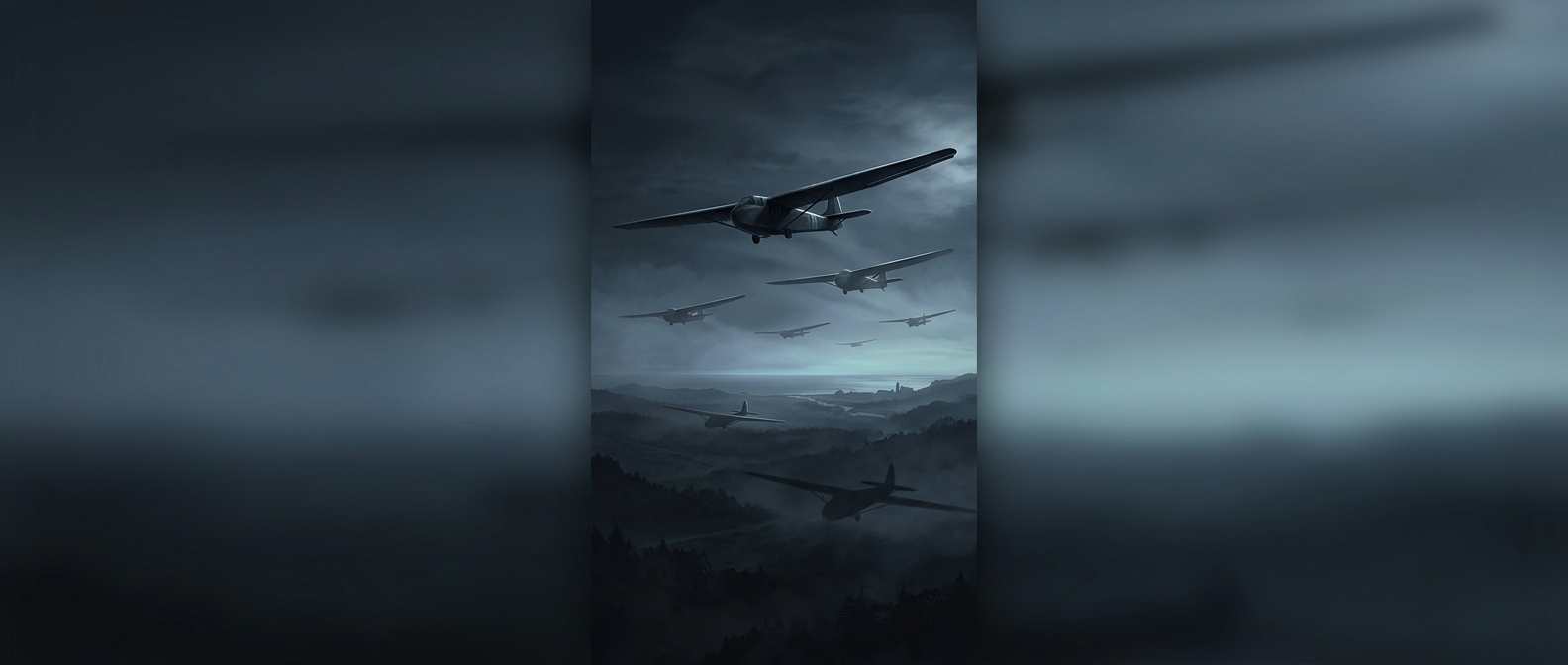
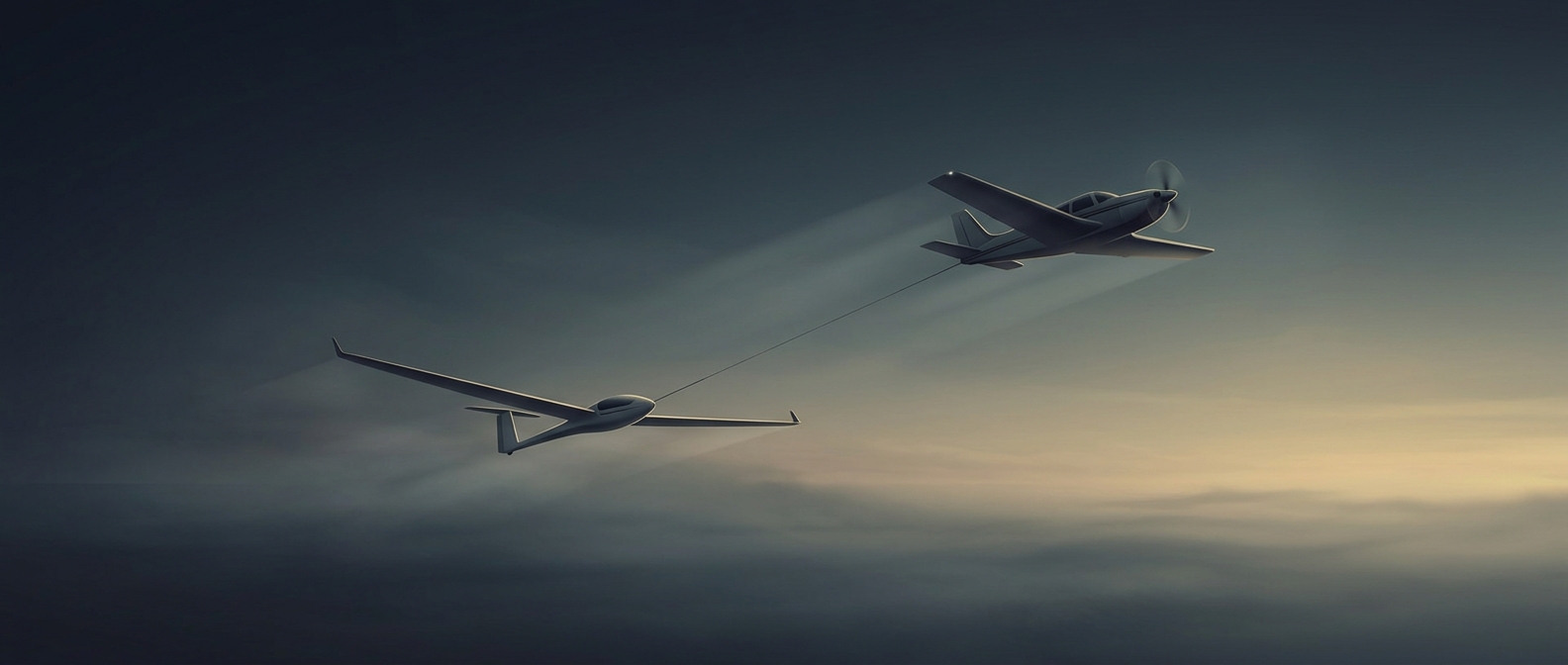
A glider cannot generate the thrust needed to climb from a runway, so a powered towplane provides that initial pull. The two aircraft climb as a pair, but each pilot controls a separate aircraft. The glider pilot must keep the glider in a stable position behind the towplane; changes in spacing or alignment affect the tension and direction of the pull.
That connection is made by a tow rope, which can be released from the glider when the climb is complete. The release turns a powered departure into an unpowered flight: the glider is no longer following the towplane and must make its own choices about where to go.
Altitude becomes the glider’s working reserve
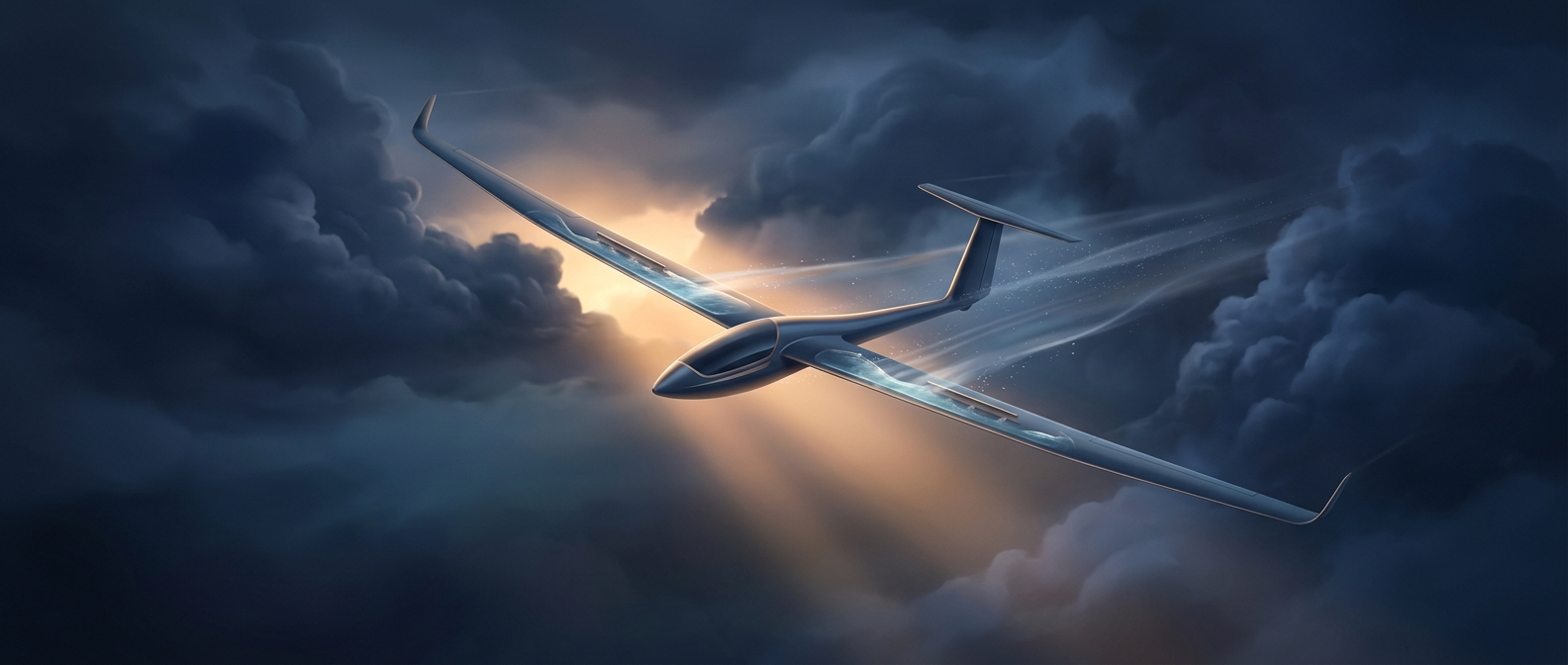
Without an engine, a glider gradually trades height for forward motion. The pilot uses that reserve to travel, while looking for rising air—such as air lifted by hills or warmed by the sun—to regain altitude. Finding lift can extend a flight; missing it means the glider must eventually descend to a landing.
The towplane and glider therefore have different jobs. The towplane spends fuel to put the glider in a useful starting position. The glider then relies on its efficient wings and the movement of the atmosphere. The tow is the launch system; the weather becomes the glider’s source of continued flight.