A rocket attack built around a one-way flight
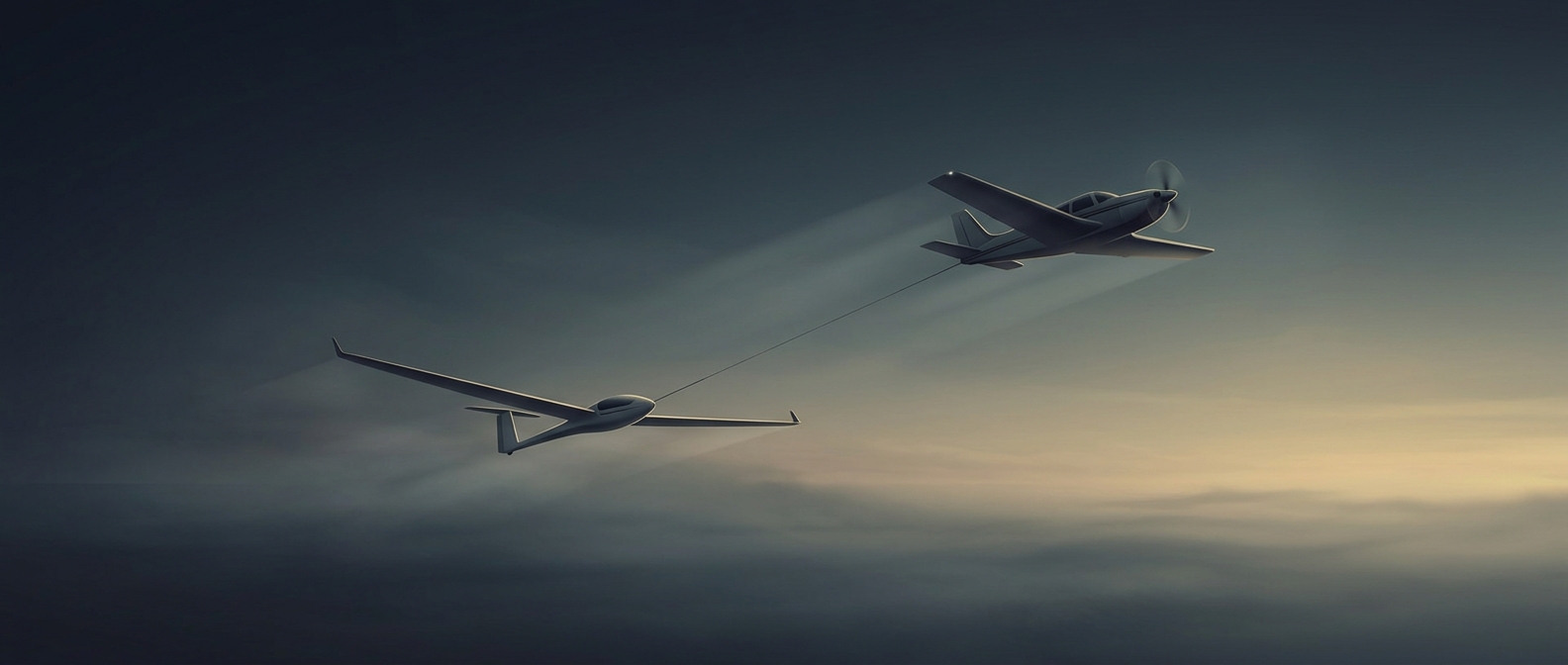
The Ohka was not an ordinary aircraft sent out to fight and then return. A bomber carried it close to a target and released it; after separating, the small craft glided toward the attack, with its pilot steering, then used rocket engines to accelerate for the final approach. The bomber provided the long-distance flight. The Ohka’s rockets were for the last, fast part—not for cruising back afterward.
That division of labor shaped the whole design. Carrying the craft on a bomber let it begin its flight nearer the target than it could have from a runway, while the rockets supplied a burst of speed near the end. But the carrier had to bring the weapon into range before the pilot could take over, so the attack depended on both aircraft reaching the release point.
No landing gear, no second attempt
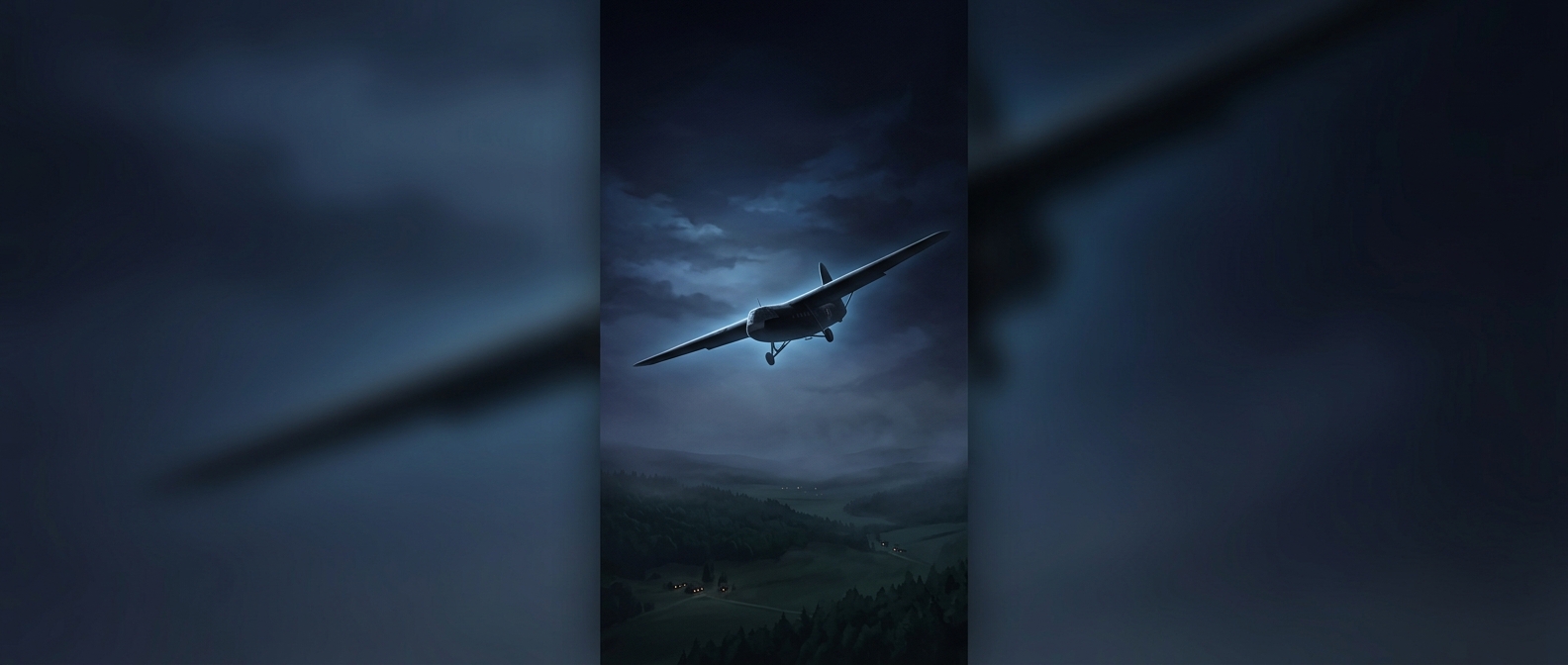
Landing gear would have added weight and served no purpose after impact. The Ohka was built to deliver an explosive charge into a ship, not to land, refuel, or be used again. Its pilot could guide the approach, but once released, there was no recovery phase and no safe place to divert to if the attack failed.
That made its efficiency brutally narrow: nearly every design choice served one final run. The Ohka saved the weight and complexity of a return flight by making the attack itself the end of the aircraft’s flight—and of its pilot’s.