The fastest boarding plan gives every passenger a turn
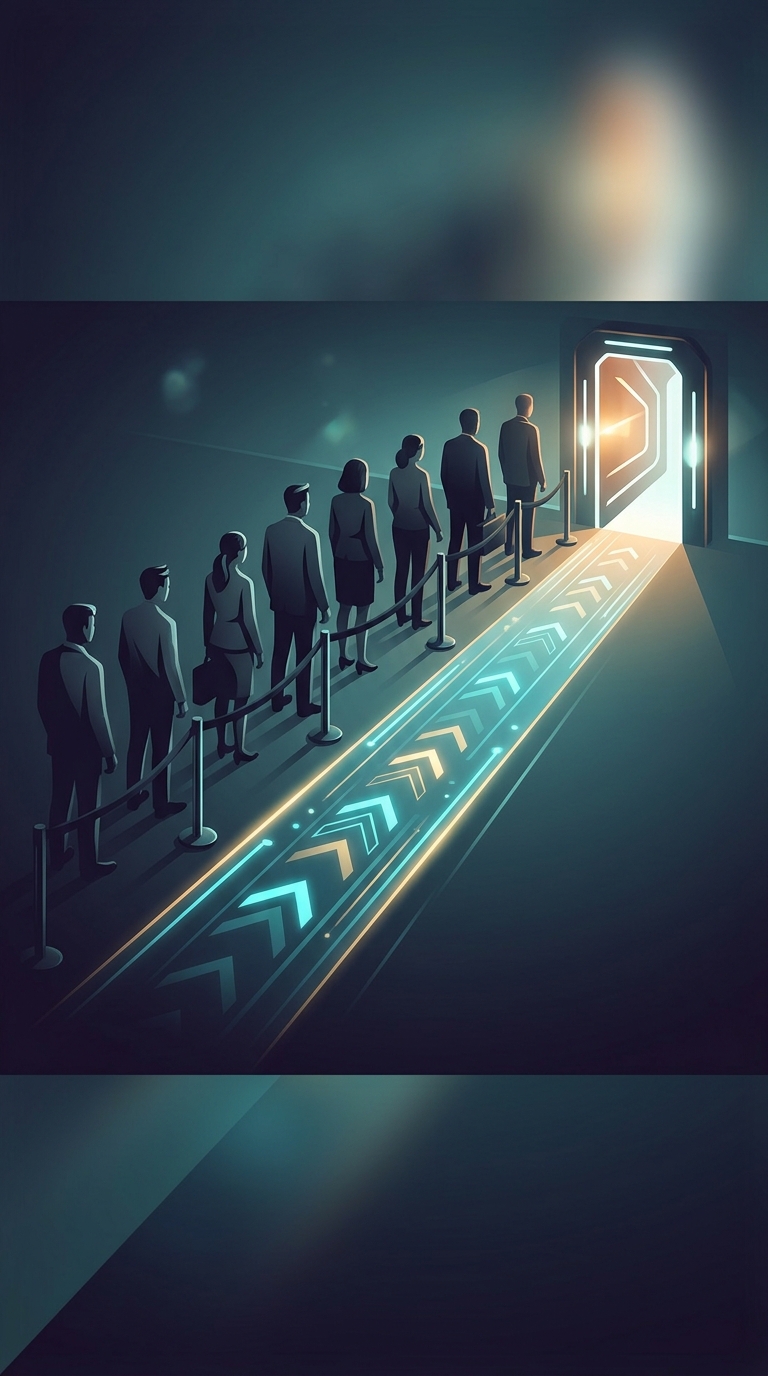
The method often cited as the fastest is the Steffen method: instead of calling entire rows or boarding groups, the airline calls passengers in a carefully staggered order. People seated at window seats board first, but not all at once. The sequence alternates between rows and sides of the plane so passengers are less likely to reach the same stretch of aisle together.
That spacing matters because the aisle is the bottleneck. A passenger who stops to lift a bag into an overhead bin can hold up everyone behind them. If several passengers arrive at once, they may also have to wait while someone else gets into a window seat. Staggering both the rows and the seat positions reduces those conflicts; once window-seat passengers are settled, middle seats can board, followed by aisle seats.
Why airlines usually choose a less exact system
The speed advantage depends on controlling the order closely. That is difficult when people travel together, need extra time to board, arrive late, or carry bags that take longer to stow. A strict sequence can also be confusing to explain and enforce at a busy gate. Airlines therefore tend to use simpler groups—often based on seat location, ticket type, or loyalty status—even if those groups let more passengers converge in the aisle at once.
There is a tradeoff, too: boarding is only one part of an aircraft’s turnaround. A procedure that saves time in the cabin may not be worthwhile if it slows gate operations or makes the process harder for passengers and staff. The fastest method on paper is not automatically the best fit for a real flight.
The practical lesson is that boarding speed depends less on how quickly people walk than on how many reach the same narrow aisle at the same time.