How a Tow Became a Delivery System
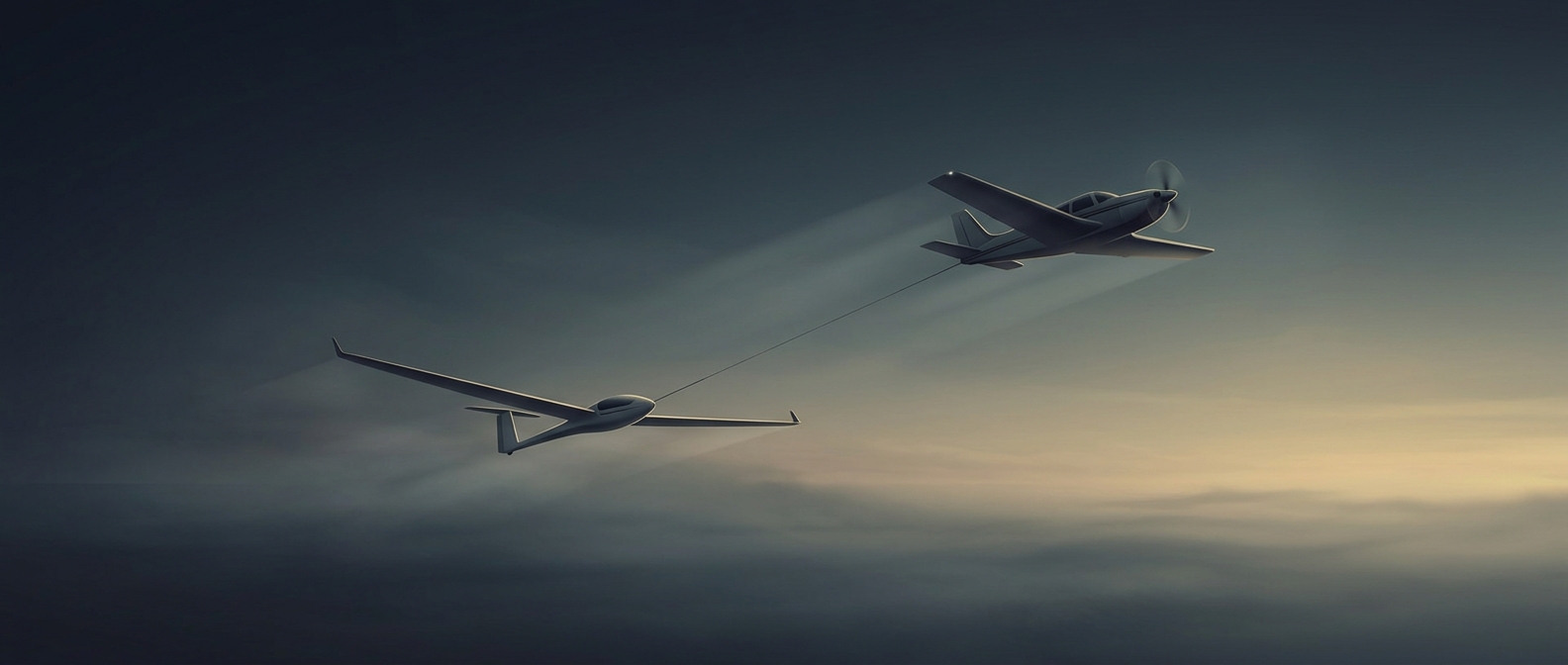
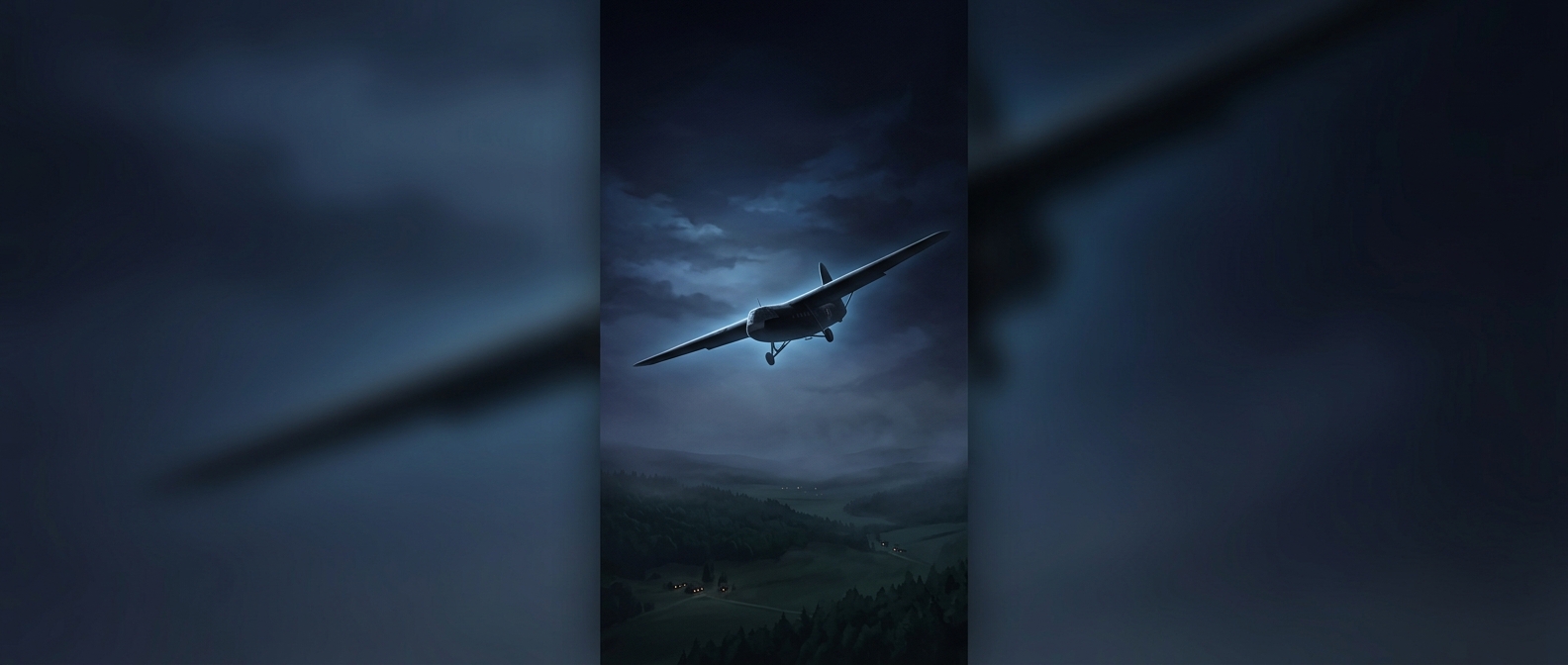
A military glider turned a powered aircraft into a way to move people and cargo without bringing an engine all the way to the landing zone. The tow plane supplied the lift and forward motion for the trip; once released, the glider’s wings carried it downward and forward. Pilots could steer and adjust their descent, but they could not add power to climb or extend the flight indefinitely.
That arrangement made the glider useful for airborne operations. Paratroopers could jump from powered aircraft, but heavier loads—such as vehicles, guns, and their crews—needed a way to arrive together. A glider could carry that equipment close to the objective, where it could be unloaded for immediate use. Its quiet final approach also made it harder to hear than a powered aircraft, though the tow plane remained audible before release.
The Landing Was the Price of Silence
The same design that removed engine noise also removed a crucial safety margin. A powered aircraft can add thrust to correct a bad approach or climb away from danger. A glider has only the height and speed it brings into the approach, so the pilot must find a suitable patch of ground and manage the descent carefully.
Wartime landing areas were not necessarily prepared airfields. Uneven terrain, obstacles, and a crowded landing zone could turn arrival into a crash or leave a vehicle stuck where it landed. The glider’s bargain was reach without an engine at the destination—but only if the crew could make the ground they found work.