Why a parachute was more than extra cockpit gear
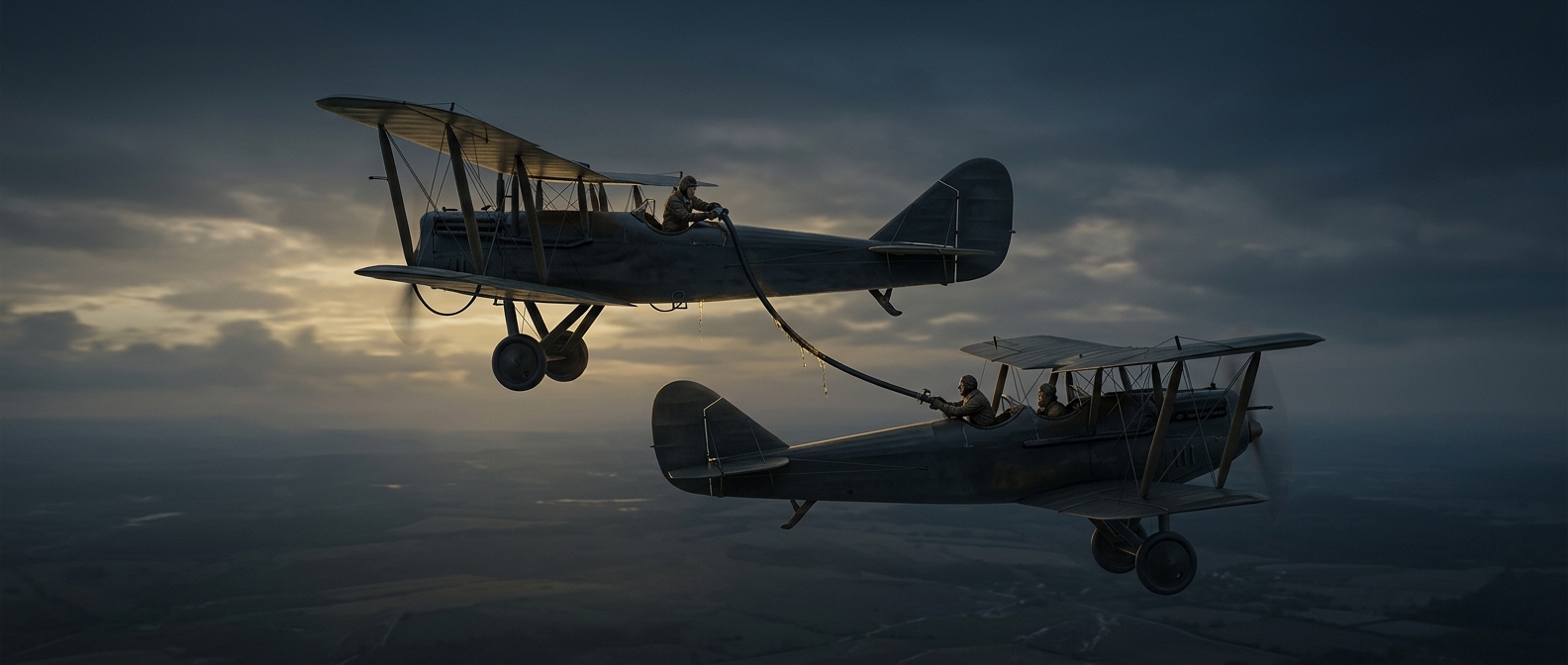
Early military aircraft were cramped, open-cockpit machines. A parachute was bulky, and fitting one meant finding room for the packed canopy and its harness alongside the pilot, controls, and other equipment. But space was only part of the problem: a pilot who jumped could no longer fight, observe, or bring the aircraft back.
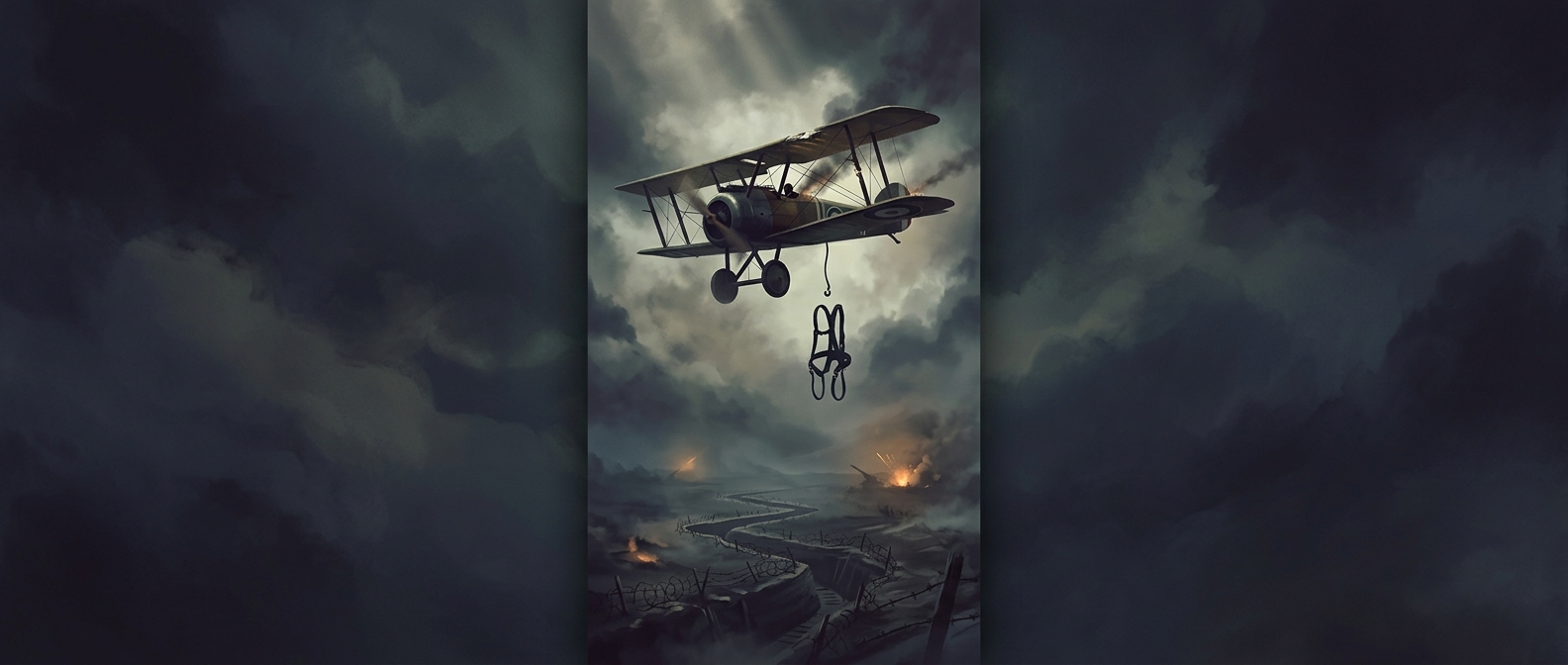
That made the parachute a military tradeoff, not simply a piece of safety equipment. Some commanders feared that an available escape would make it easier for a pilot to leave an aircraft that was damaged but still useful. Denying parachutes was meant to keep airmen in the fight; it also left them with almost no way out if their plane became uncontrollable.
The cockpit made escape difficult even with a parachute
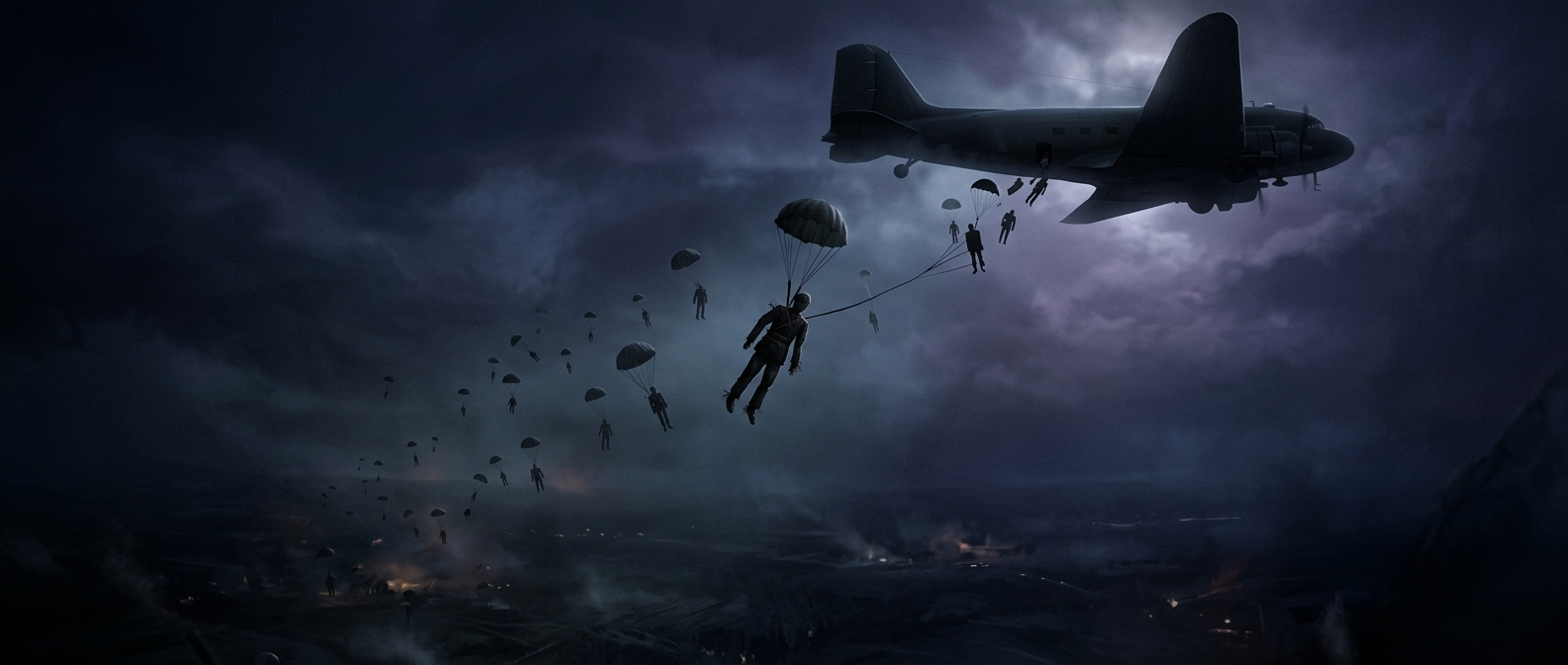
A parachute does not work just because it is on board. The pilot must get clear of the aircraft, deploy the canopy, and have enough height for it to open. In a fast-moving aircraft, that meant climbing out of a small cockpit while exposed to wind and the danger of the plane’s structure or controls. A low-altitude failure could leave too little time for any escape.
These constraints help explain why the decision was not just a matter of adding a parachute to the equipment list. Aircraft design, limited space, and the demands placed on pilots all shaped whether an escape system seemed practical—and whether military leaders wanted it used.
A stark consequence of the policy
For an airman whose aircraft caught fire, lost control, or suffered catastrophic damage, staying aboard could mean dying with it. The policy treated a pilot’s continued presence as a military asset, even when the aircraft had become a personal trap. The missing parachute turned the question of when to leave into a decision the pilot often could not make at all.