How a falling dummy could redirect a defense
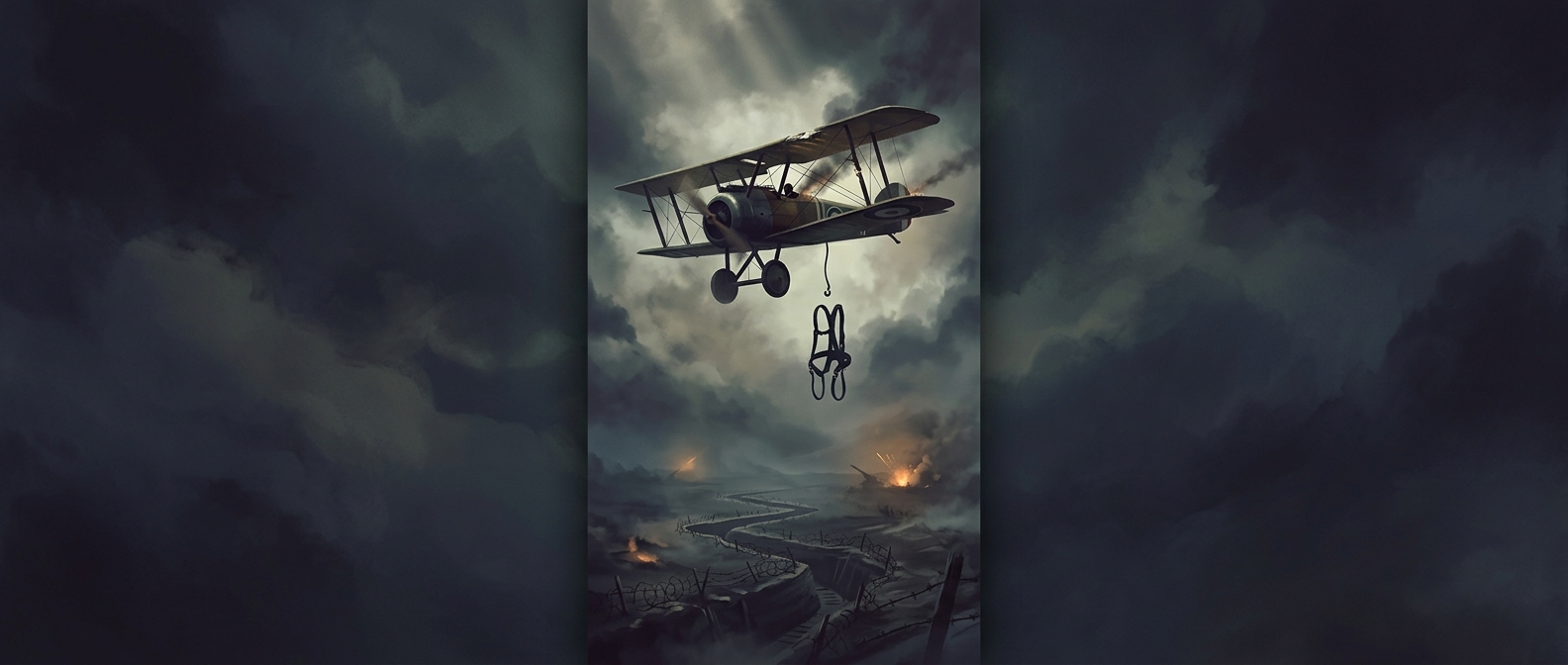
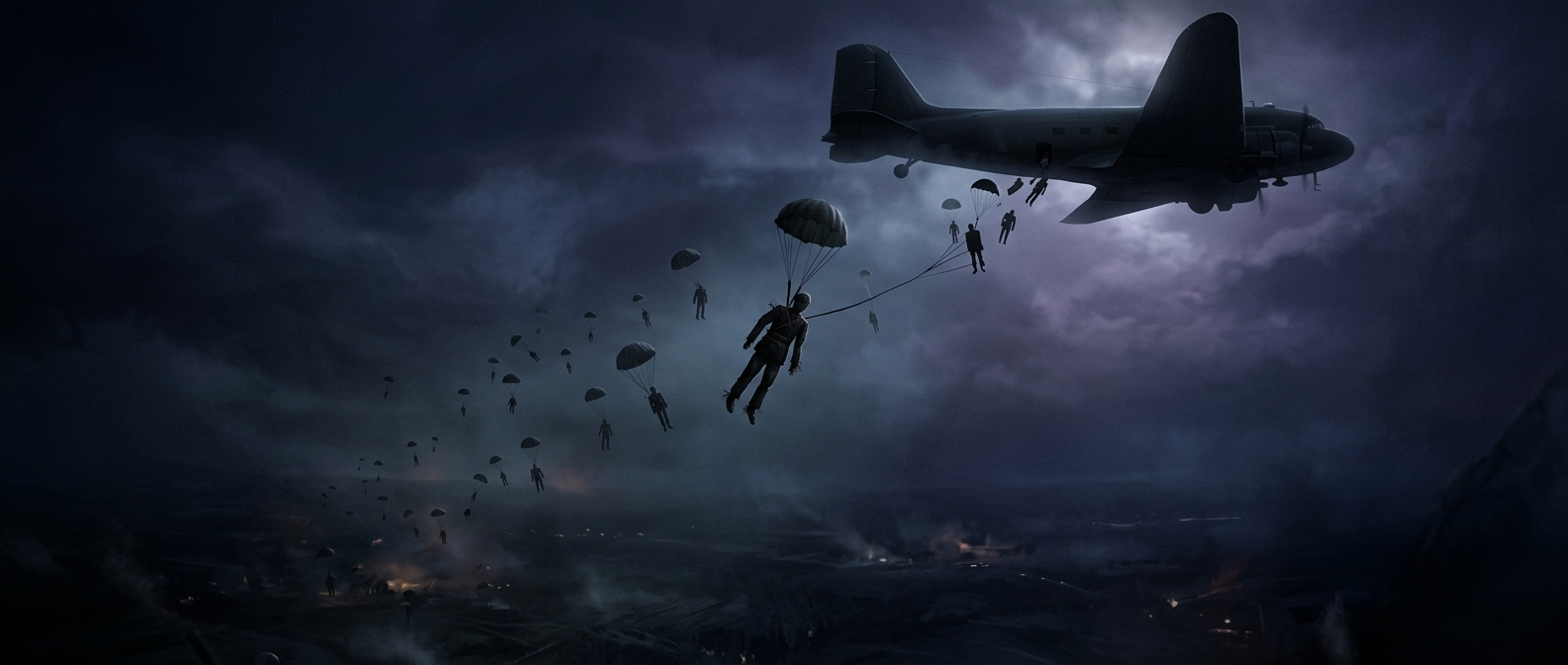
A paratrooper landing in darkness was difficult to identify from the ground. German troops hearing or glimpsing one might have little time to decide whether it was a real soldier, how many more were coming, or where the main drop was taking place. Allied deception planners used that uncertainty: dummy parachutists, dropped away from the actual invasion areas, were meant to look like evidence of an airborne assault.
Some carried sound-making devices that produced gunfire-like noise as they descended or landed. The noise made the scene seem less like a few objects drifting down and more like a force arriving under fire. It could also draw attention toward the decoys while real Allied troops landed elsewhere.
The real weapon was the decision it provoked
The dummies were not expected to defeat German troops. Their value lay in prompting a costly response: defenders might move toward the apparent drop, report it as a threat, or spend time sorting out what had happened. Even a short delay or a wrong turn could complicate the response to the real landings, when Allied airborne troops were trying to seize routes and key positions behind the beaches.
That made the sound effect part of a larger deception, not a substitute for real paratroopers. A noise alone could not prove an invasion was underway, but paired with falling figures and the confusion of a nighttime attack, it gave German forces another reason to look in the wrong direction. The decoys’ purpose was to make the enemy act on an incomplete picture—and leave the actual landing sites less contested.