The Force Behind an Ejection
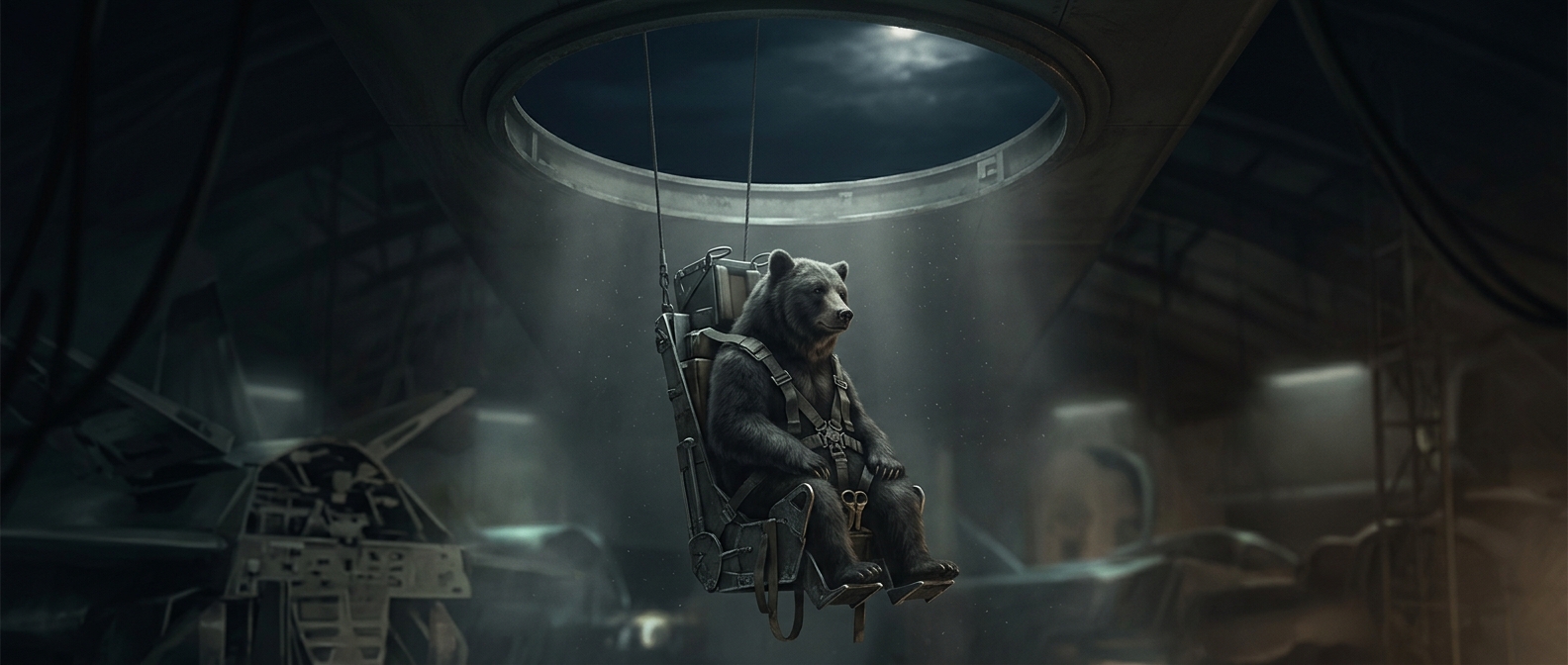
An ejection seat has to clear the aircraft before the pilot can deploy a parachute. Depending on the seat design, a catapult, a rocket motor, or both drive it upward. The charge is not a gentle lift: it accelerates the seat—and the person strapped into it—over a very short distance, so the body experiences a powerful jolt.
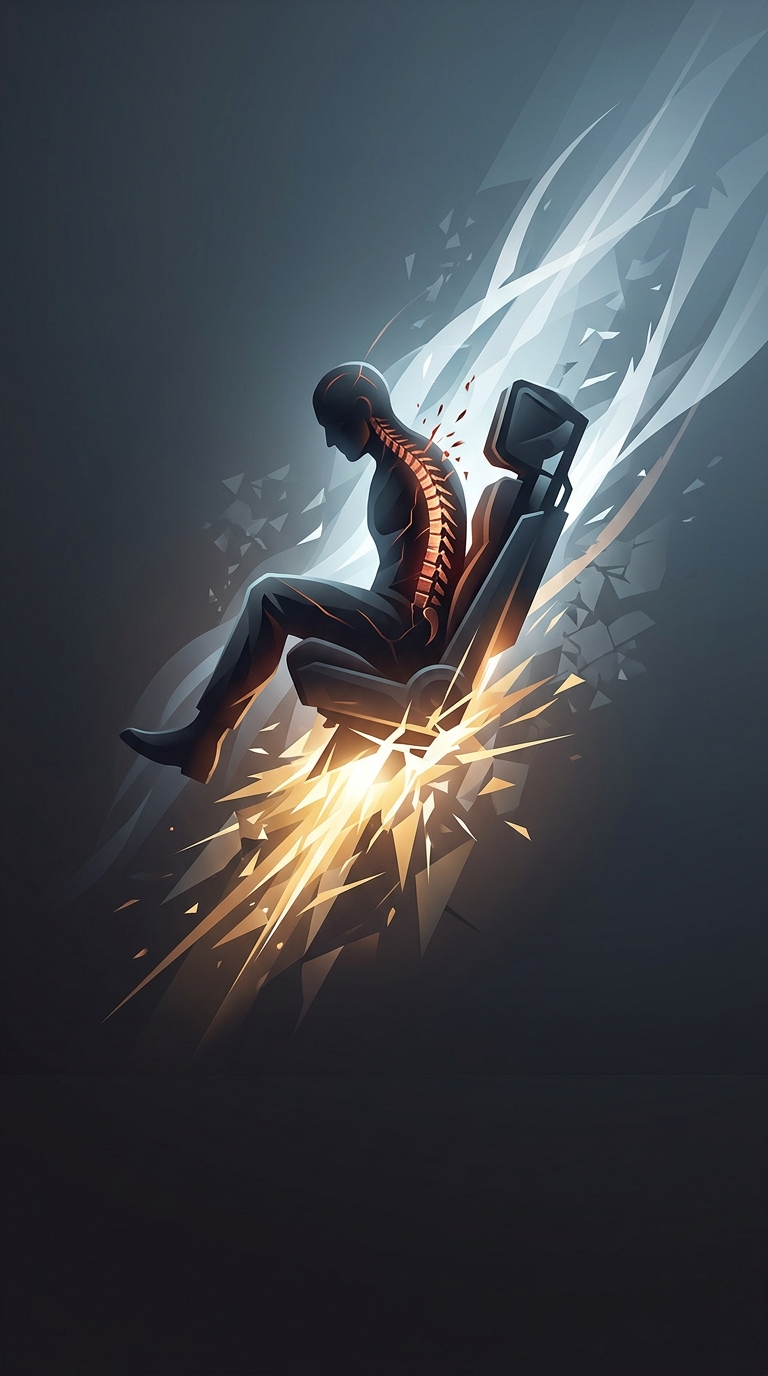
That jolt can load the spine from top to bottom. The seat and harness hold the pilot in position while the pelvis and torso are driven upward; the vertebrae, the small bones stacked to form the spine, take much of the compressive force. Ejection seats are shaped and timed to limit dangerous movement, but they cannot make the acceleration harmless.
A Risk, Not a Guaranteed Change in Height
Spinal injuries, including compression fractures in which a vertebra is crushed or deformed, can result from ejection. A severe injury may affect a person’s height, but pilots do not inevitably lose a measurable fraction of an inch. The outcome depends on the forces involved, the pilot’s posture and physical condition, and the particular ejection.
The seat’s urgency explains the tradeoff. It must deliver enough force to get the pilot clear of the aircraft in seconds, even when the aircraft is moving fast or at an awkward angle. The same acceleration that makes escape possible can injure the spine—one reason an ejection is treated as an emergency measure, not simply a dramatic alternative to landing.