Why an ejection seat needed a shell
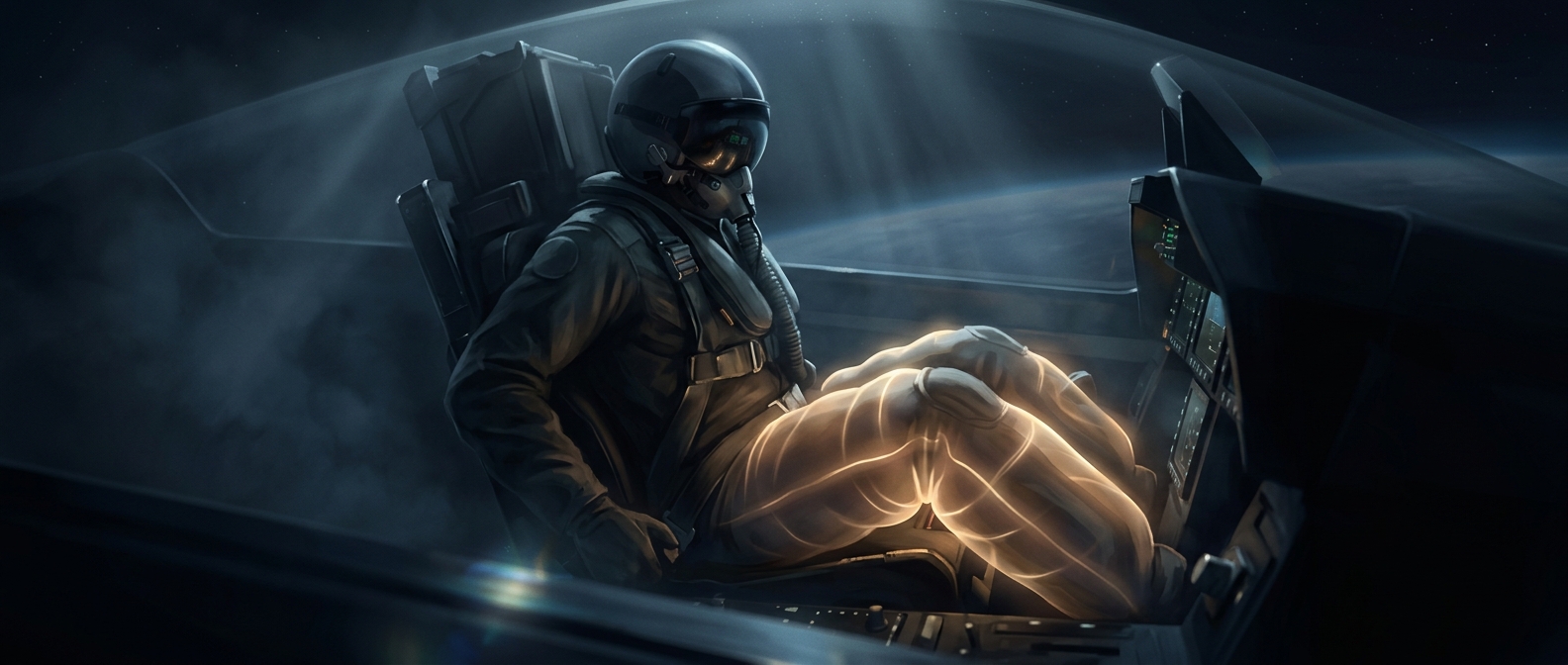
At ordinary speeds, an ejection seat can carry an aircrew member clear of an aircraft and then open a parachute. At supersonic speed, however, the air rushing past the aircraft is a powerful hazard: striking it directly could injure a person before the parachute even becomes relevant. The B-58’s escape capsule addressed that vulnerable interval by enclosing its occupant during the initial escape.
The capsule was not simply a seat with a parachute attached. It had to keep the person protected as the aircraft’s airflow and the force of separation gave way to the slower descent under canopy. In other words, the escape system had to manage a whole transition—from a fast-moving aircraft to a survivable landing—not just get someone out of the cockpit.
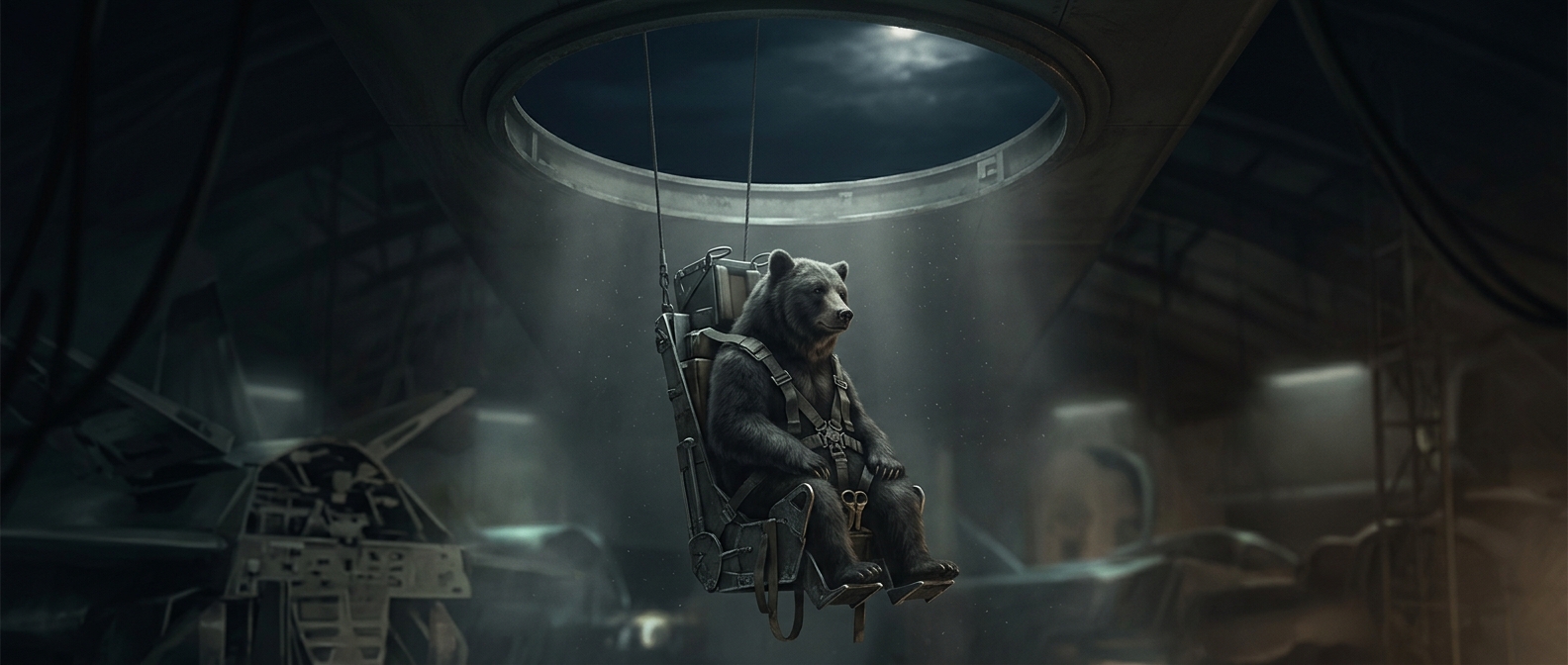
Why test it with a bear
A capsule could be evaluated for whether it separated and descended as intended, but a live-animal test also let engineers assess whether its occupant could withstand the ride. The bear stood in for the human body in a system whose most dangerous moments came in a rapid sequence: separation, exposure to changing forces, and parachute descent.
That made the test a test of the complete escape arrangement, rather than a demonstration that a hatch or seat could be launched. At supersonic speeds, protection had to travel with the crew member. The capsule’s job was to carry that protection all the way from the bomber’s violent airflow to the comparatively gentle conditions beneath the parachute.