How a G-suit counters the pull of a turn
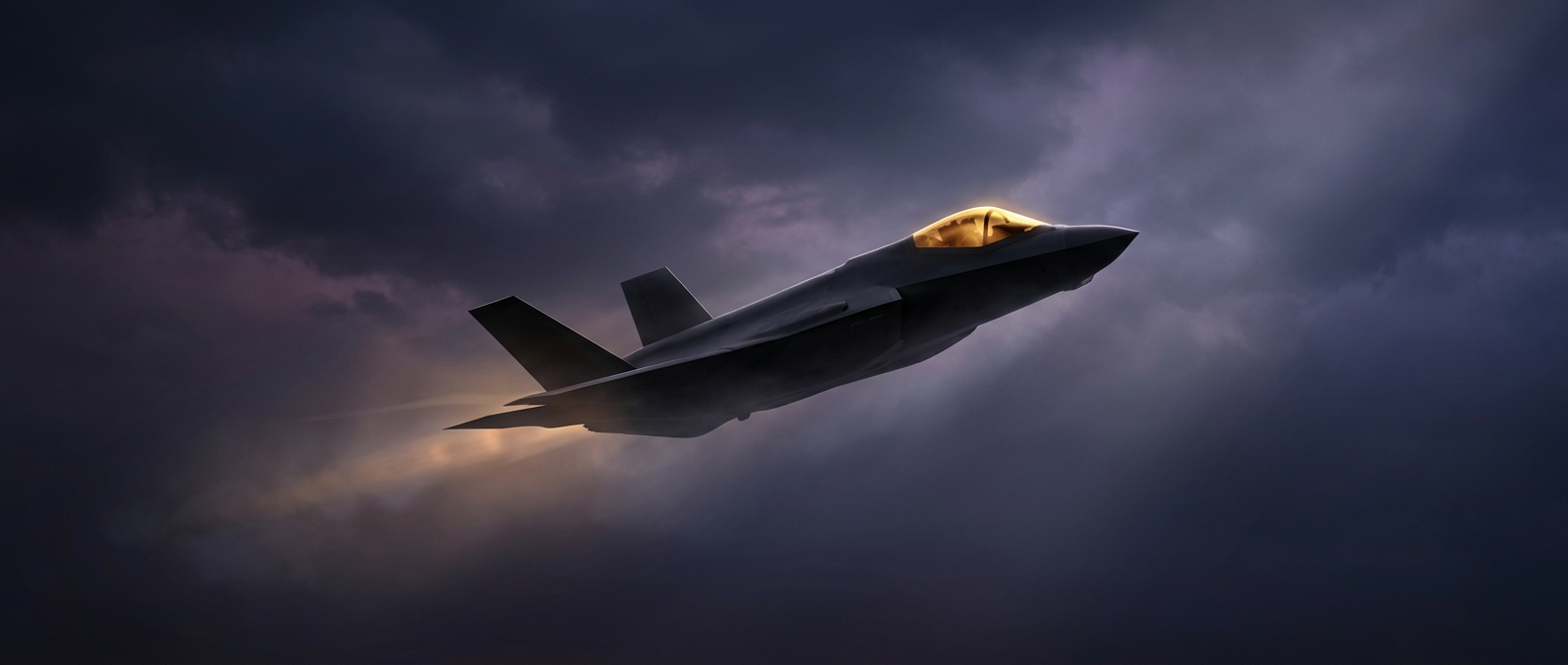
A fighter’s sharp turn can make the pilot’s body feel several times heavier than usual. Under that load, blood has a harder time traveling from the lower body back to the heart and brain. Some collects in the legs and abdomen, reducing the pressure that keeps the brain supplied. If that pressure drops far enough, vision can dim and the pilot can lose consciousness—a dangerous condition called G-induced loss of consciousness, or G-LOC.
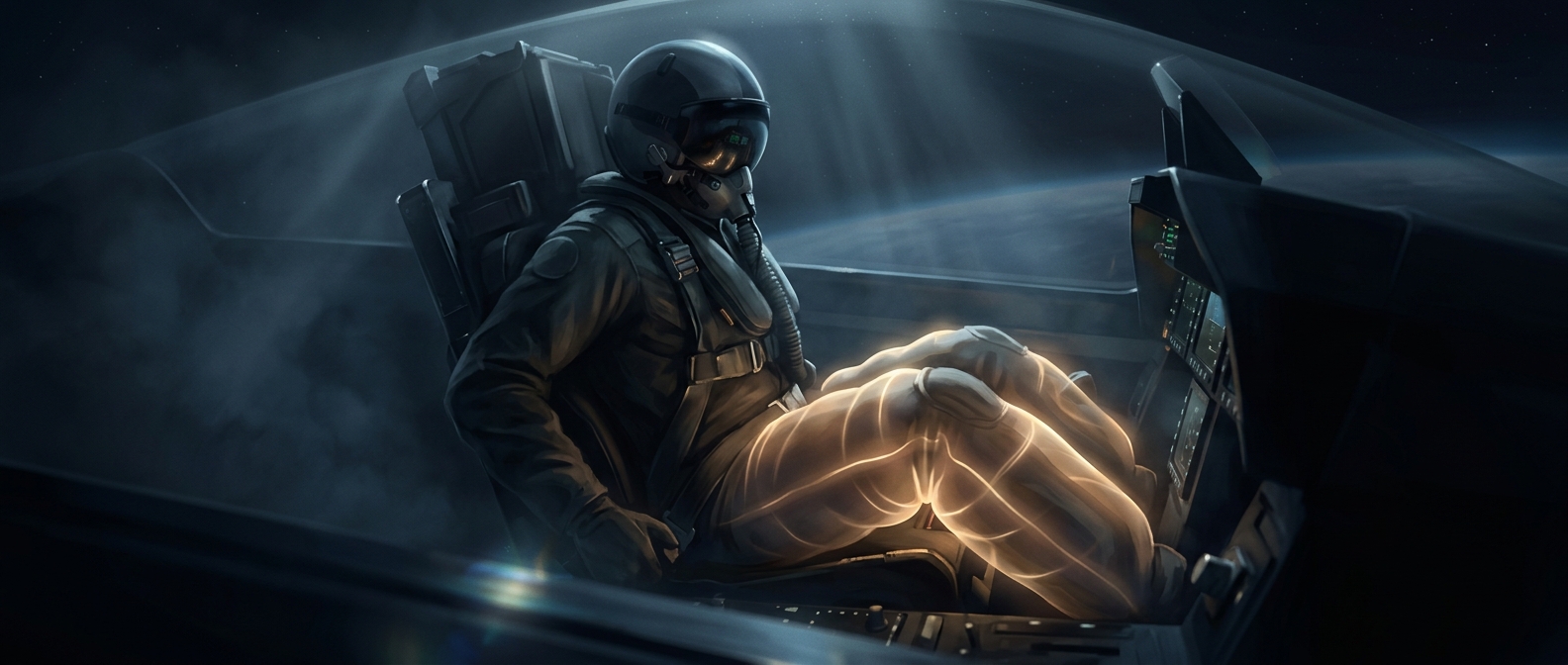
The suit works by sensing the force of the maneuver. As G-load rises, air flows into flexible bladders inside the garment, tightening around the legs and abdomen. That external pressure limits how much blood can pool in those areas and helps the heart maintain circulation toward the upper body. When the force eases, the bladders deflate.
A wearable aid, not an automatic cure
The suit does not make high-G flight harmless. It buys the pilot time and supports the body’s own defenses. Pilots also brace and tense their leg and abdominal muscles, which helps resist blood shifting downward; this effort is commonly called the anti-G strain. The garment’s compression makes that work more effective, but it cannot replace it.
That is why the trousers are connected to the aircraft’s anti-G system rather than simply worn as ordinary tight clothing: their pressure needs to rise with the changing load. In a fast maneuver, the difference is practical. The suit helps preserve the blood pressure needed for clear vision and awareness—two things a pilot cannot afford to lose while controlling an aircraft.