A transparent metal layer with two jobs
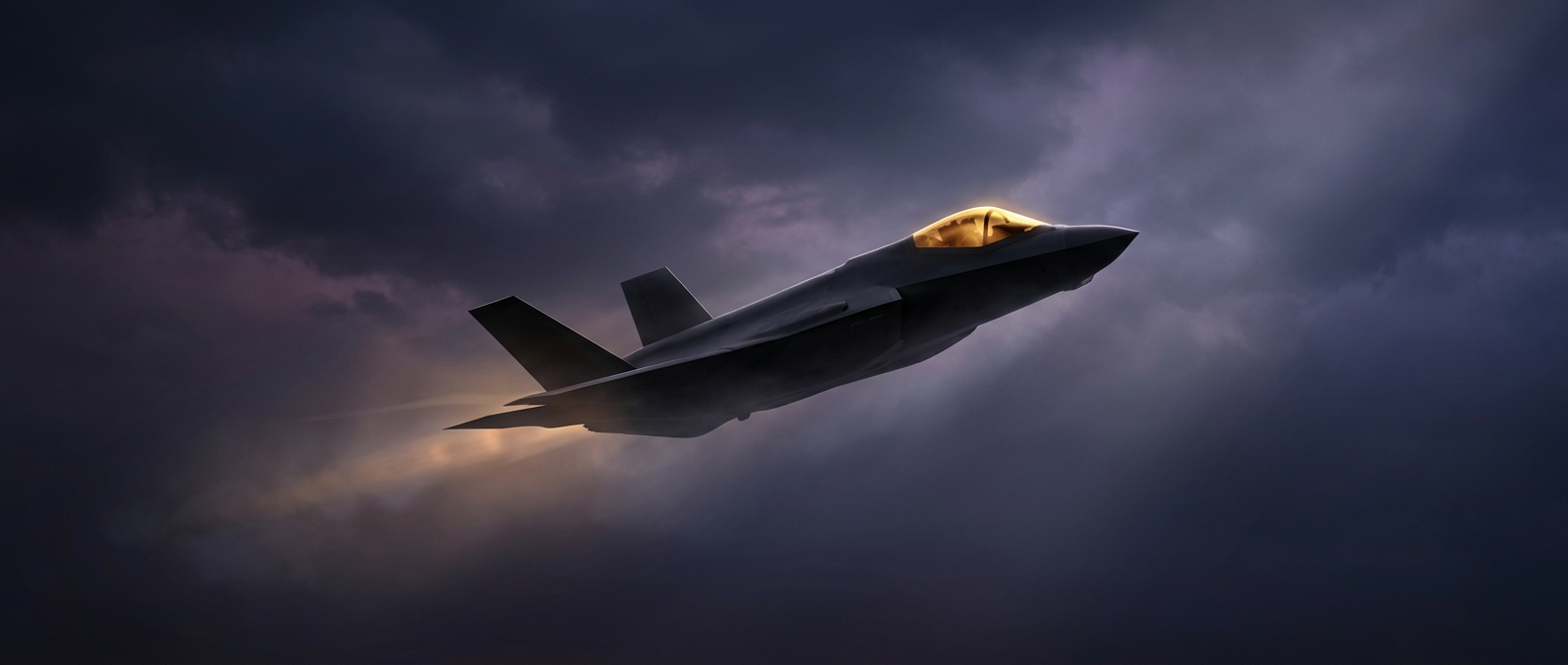
A fighter canopy has to let the pilot see out while preventing the cockpit from becoming an easy radar target. Some aircraft address that tension with an extremely thin conductive coating on the canopy—often described as gold-coated glass. The layer is thin enough to transmit visible light, but it can reflect or absorb some electromagnetic energy, including radar waves.
That matters because radar can otherwise pass through a relatively transparent canopy, strike reflective equipment inside, and bounce back out. The conductive film helps reduce those returns by limiting how much radar energy reaches the cockpit interior. It is one part of an aircraft’s overall radar-signature design, not a force field that makes the jet invisible.
Sunglasses that still have to be windows
The coating also reflects part of the sunlight entering the cockpit. That cuts glare and helps limit solar heating, easing the burden on the pilot and cockpit cooling systems. Its warm gold appearance is a visible side effect of a layer designed to manage energy that the naked eye cannot see as well as light it can.
The engineering challenge is keeping the film conductive enough to affect radar while still letting the pilot see clearly through a curved canopy. It must also be applied evenly: distortions or uneven tint could interfere with vision. The result is a window that doubles as part of the aircraft’s electronic shielding—while remaining a window the pilot can fly through.