A conspicuous choice in a visual battlefield
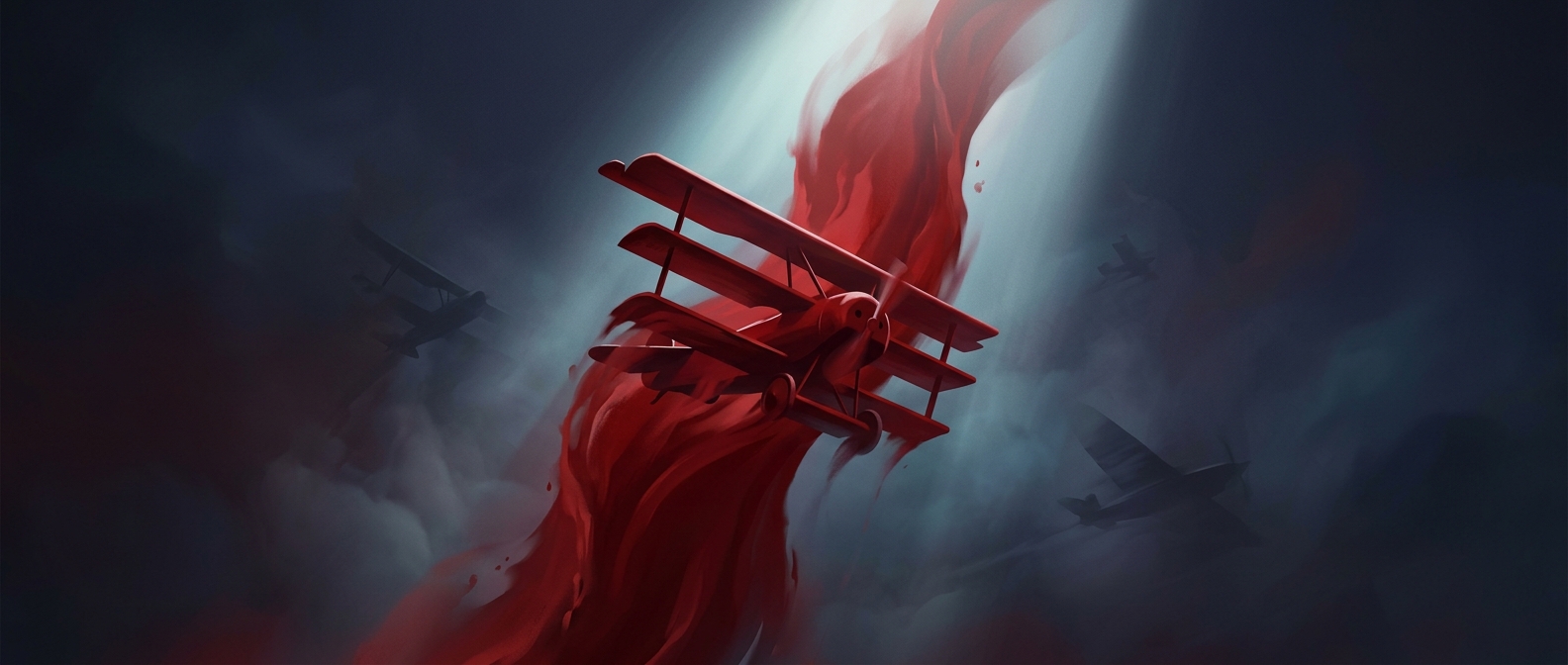
In World War I, pilots had no radio link to identify every aircraft in a swirling fight. They relied on sight: recognizing a machine, its markings, and sometimes the pilot himself. Richthofen’s vivid red aircraft made that task easier. At close range, its color could distinguish it from the less striking planes around it—and make it easier for opponents to pick out, too.
That visibility came with a tradeoff. Camouflage tries to break up an aircraft’s outline or blend it into its surroundings; a bright finish does the opposite. Red was not a magic tactical advantage, and its visibility would vary with distance, light, and background. It was a deliberate signature, not a way to vanish.
From paint to reputation
A distinctive aircraft could help fellow pilots recognize their leader amid the confusion, while giving adversaries a clear visual target. The color also made Richthofen’s plane memorable to people who saw it or heard about it. “The Red Baron” became an identity attached not just to a man, but to an aircraft that seemed to announce his presence.
The choice captures a tension in aerial combat: being recognizable could be useful for coordination and reputation, but dangerous when an enemy was looking for you. Richthofen’s red plane made that tradeoff visible in the sky.