Why thallium poisoning can make hair fall out
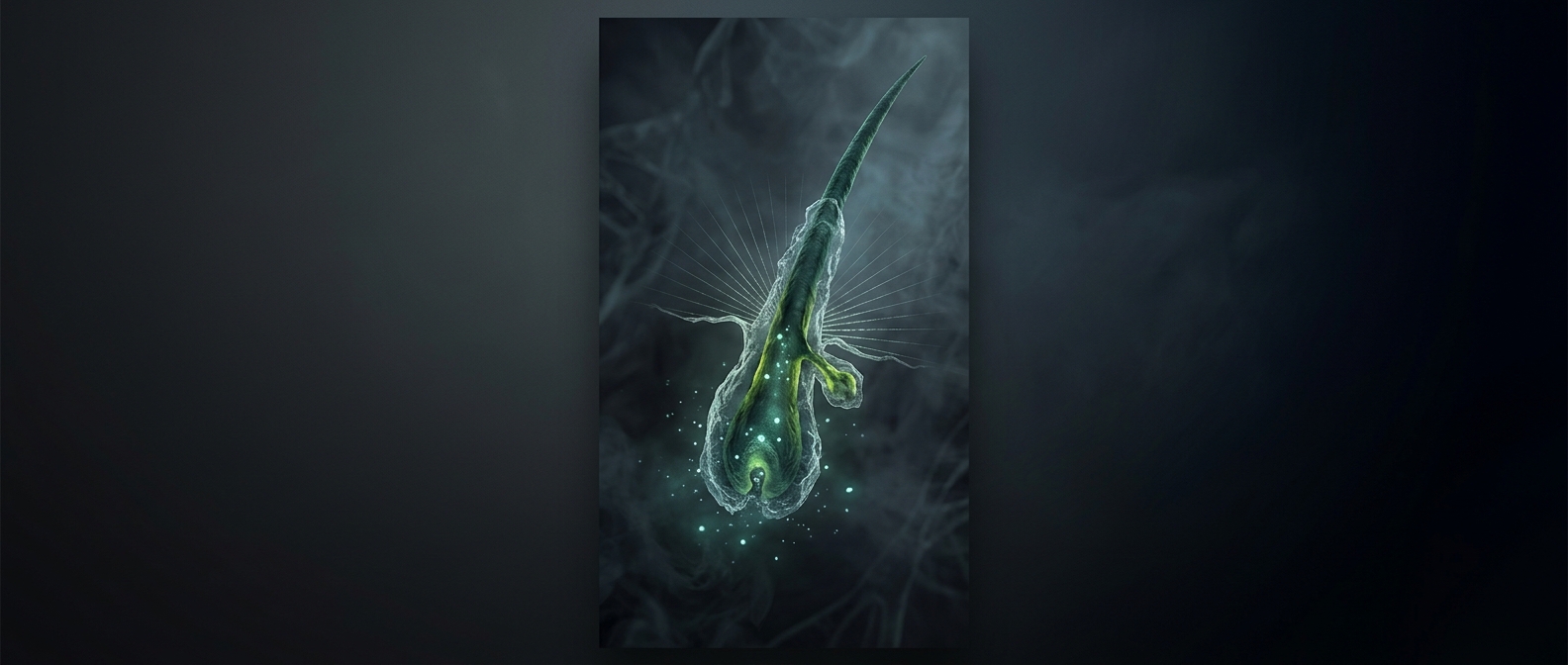
Hair is made in follicles, where cells at the base divide rapidly to build each growing strand. Those cells need a steady supply of energy and working internal machinery. Thallium disrupts that machinery by behaving in some ways like potassium, a mineral cells use to maintain electrical balance and carry out essential reactions. The resemblance lets thallium interfere with potassium-dependent processes inside cells, but it cannot perform potassium’s jobs properly.
Because follicle cells are so active, the disruption can hit them hard. If they can no longer make new hair normally, strands may stop growing and shed. The effect can be widespread rather than limited to one patch.
A visible sign of a wider cellular injury
Hair loss is not simply a matter of thallium coating or damaging the hair shaft. It reflects trouble inside living cells that are trying to produce new hair. The follicles’ growth cycle can be interrupted, so the visible loss may emerge after the underlying cellular disruption has begun.
Thallium also affects other tissues, since potassium-dependent processes are important throughout the body. Hair loss in this setting is therefore a warning sign of poisoning, not an isolated cosmetic problem; suspected exposure needs urgent medical attention. The same rapid cell activity that makes hair grow continuously also makes its follicles especially vulnerable when the chemistry they depend on is disrupted.