A post becomes an event when its audience has to wait
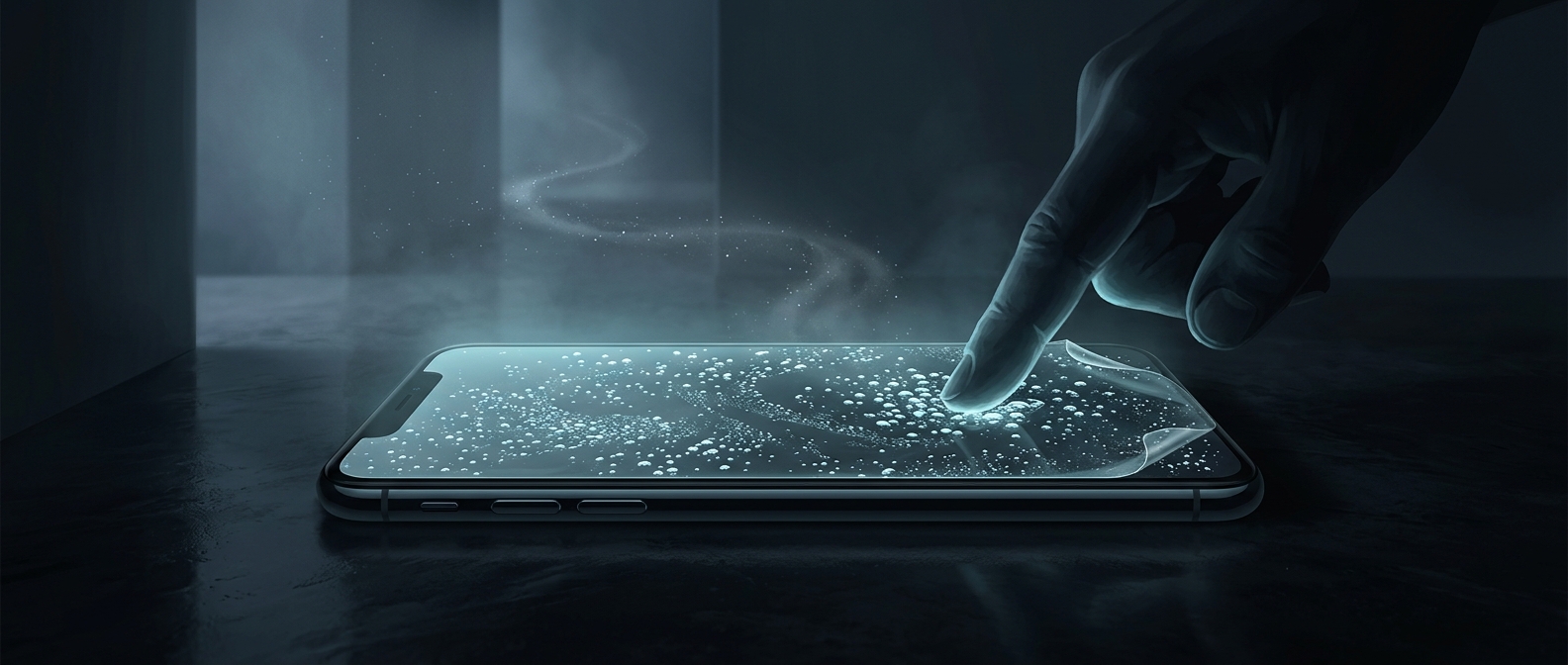
A delayed-posting app separates two actions that most social feeds combine: making a post and showing it to other people. A photo can be captured and saved to the user’s account while remaining unavailable to followers. The app then holds it until a release time, when it makes the post visible—often as part of a timed reveal.
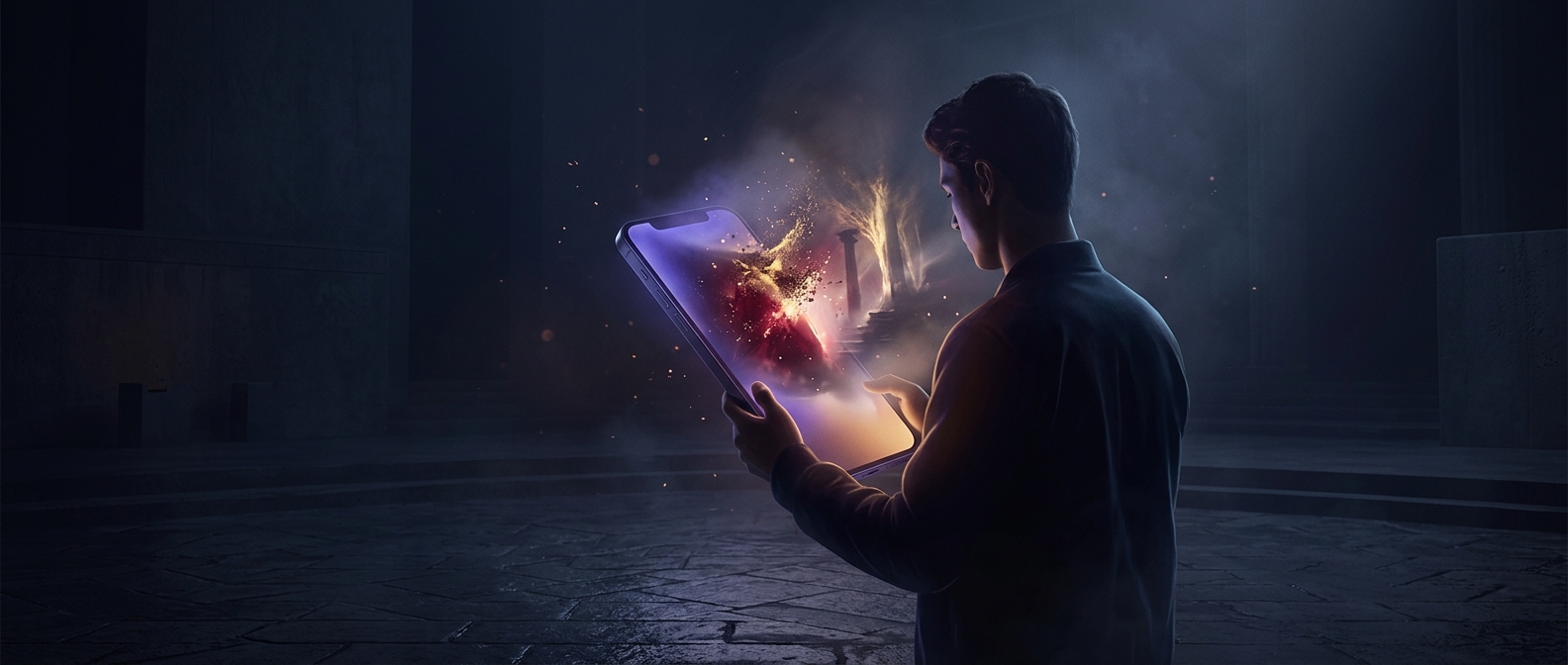
That gap changes what the post is for. An ordinary feed update reports something as it happens. A delayed reveal turns the same image into something people can anticipate and open later. The audience is not just seeing a snapshot; it is sharing the moment when the snapshot becomes available.
The timer shapes behavior on both sides
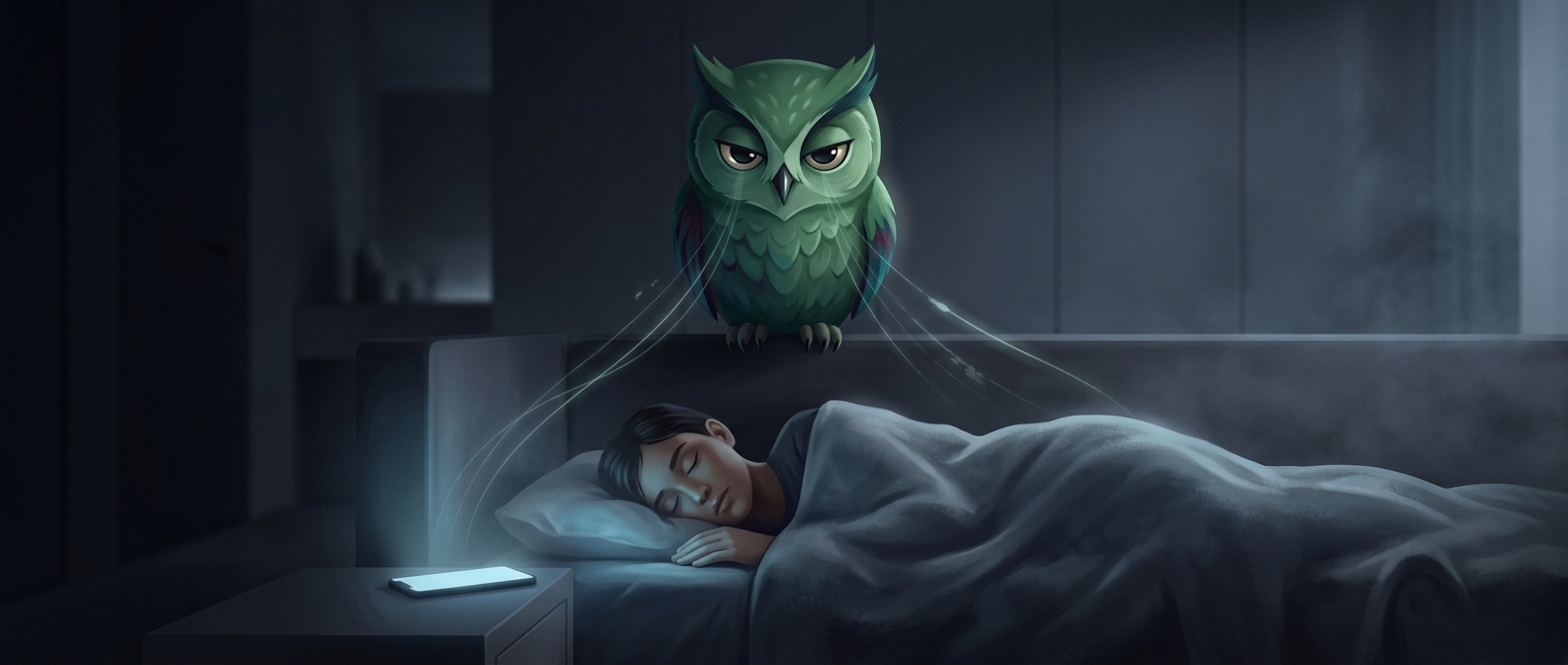
For the person posting, the delay creates space between taking a photo and presenting it. They can record a moment without immediately interrupting it to publish, and the app’s built-in timer handles the later release. This is different from simply drafting a post: the user has already committed to sharing it, but has not chosen an instant audience can see it.
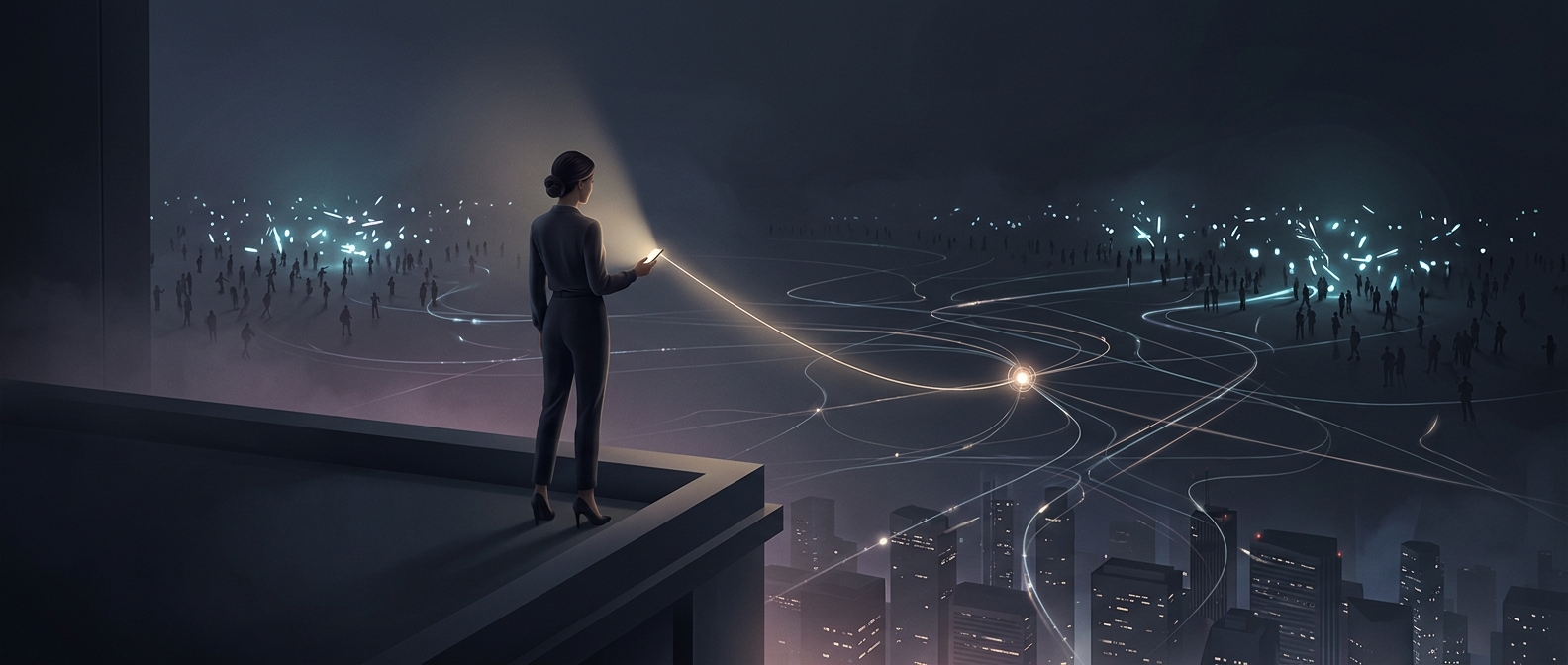
For viewers, a common reveal time can make separate visits to the app feel more coordinated. Instead of checking a stream that updates continuously, they may return because something is due to appear. The timer therefore affects not only when content is delivered, but also how attention is organized around it.
Waiting is part of the design
The tradeoff is that delayed sharing gives up immediacy. A post may arrive after the moment has passed, and the creator cannot rely on it to communicate something in real time. In exchange, the pause can make a routine photo feel less like a live status report and more like a small appointment between poster and audience.
The key design choice is the hold: the image exists before the social moment does. When it finally appears, the release—not just the photo—is part of the experience.