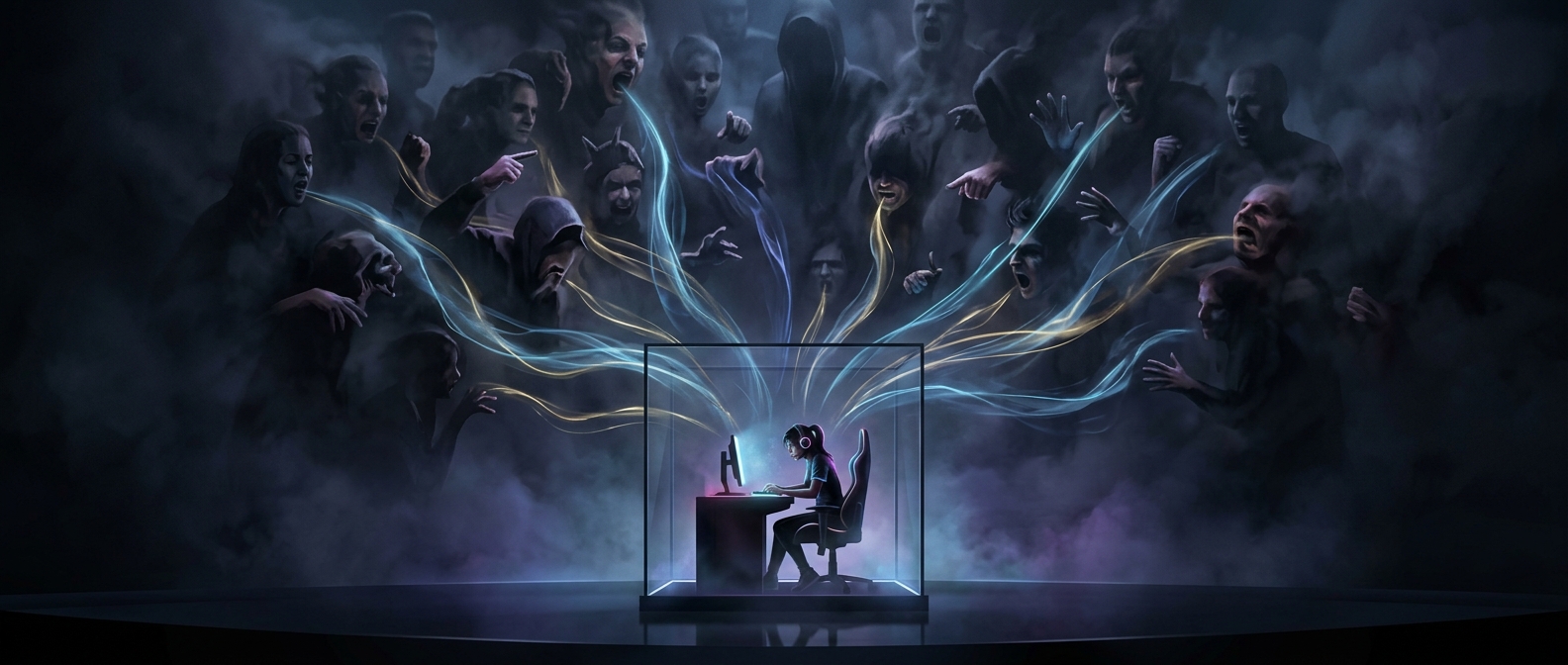
Why the Advice Sounds So Certain
Watching a game is easier than playing it. A spectator can focus on the visible action—an opponent approaching, a move going unused, a mistake just made—without also tracking the controls, timing, and pressure facing the player. That gap makes a simple suggestion feel obvious from the sidelines, even when it ignores what the player can actually do in the moment.
The advice often arrives after the crucial decision. Once an outcome is visible, it is easy to imagine the move that might have prevented it. But the player had to choose before knowing how events would unfold. A confident running commentary can turn that difference in perspective into a stream of corrections that sound more informed than they are.
Why It Can Make Playing Harder
Unasked-for coaching also adds another task: the player must decide whether to listen, answer, or tune it out while still concentrating on the game. Even a useful suggestion can be poorly timed if it interrupts a decision or distracts from an immediate threat.
That is why spectatorship can produce a peculiar mismatch: the person with the least responsibility for the result may feel free to call every move, while the person holding the controls has to live with each one. The commentary may be loud, but it is not the same thing as having to make the play.