Why reaching the temple was only half the battle
On Legends of the Hidden Temple, the final run came after contestants had already survived earlier rounds. A team had to enter the temple, find the room holding the object named in the episode’s story, and bring it back before time ran out. The route was not a simple sprint: rooms demanded different actions, and a wrong turn or failed task could consume precious seconds.
That structure helps explain why a reported 40 percent win rate is striking. Contestants could perform well in the earlier games and still fail at the moment the show’s title promised: getting through the temple and out again. The final challenge tested navigation and execution under pressure, not just speed.
The clock made every mistake expensive
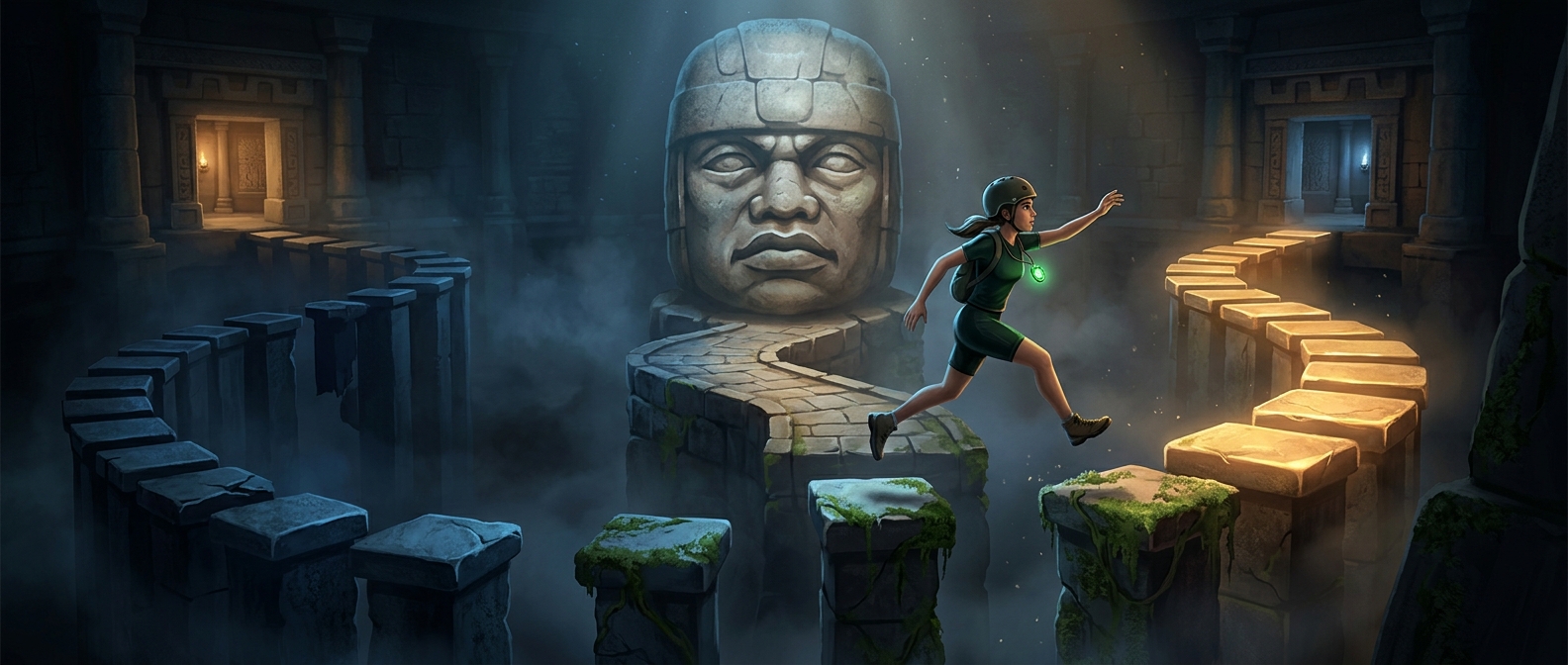
The temple’s design turned small delays into major setbacks. Contestants had to remember a route while moving quickly, complete tasks in unfamiliar rooms, and account for the possibility of being stopped by a temple guard. Teams had limited chances to recover when a run went wrong, so a moment of confusion could derail an otherwise strong attempt.
That gap between qualifying for the finale and actually completing it gave the show its tension. The temple was not merely a dramatic set; it was a timed obstacle course built to make victory uncertain until the contestant emerged with the artifact.