A farm built around the next visit
The appeal of a browser farming game such as FarmVille was not simply planting crops. It was the wait between actions. A player clicked to sow a field, left the game, and returned later to harvest when the plants were ready. That made progress possible in brief visits rather than one long session—and gave each visit a clear next task.
The clock did some of the game’s work. Crops continued growing while the player was away, turning ordinary downtime into part of the play cycle. Choose a crop that took longer to mature, and the farm could be left alone longer; choose a quicker one, and it invited an earlier return. The field became a small schedule the player could shape.
Friends became part of the machinery
Social features extended that loop beyond one person’s farm. Players could visit neighbors, exchange gifts, and share game activity through the social network around the game. Friends were not just an audience: they could supply useful items, offer another reason to check in, and make a private routine visible to others.
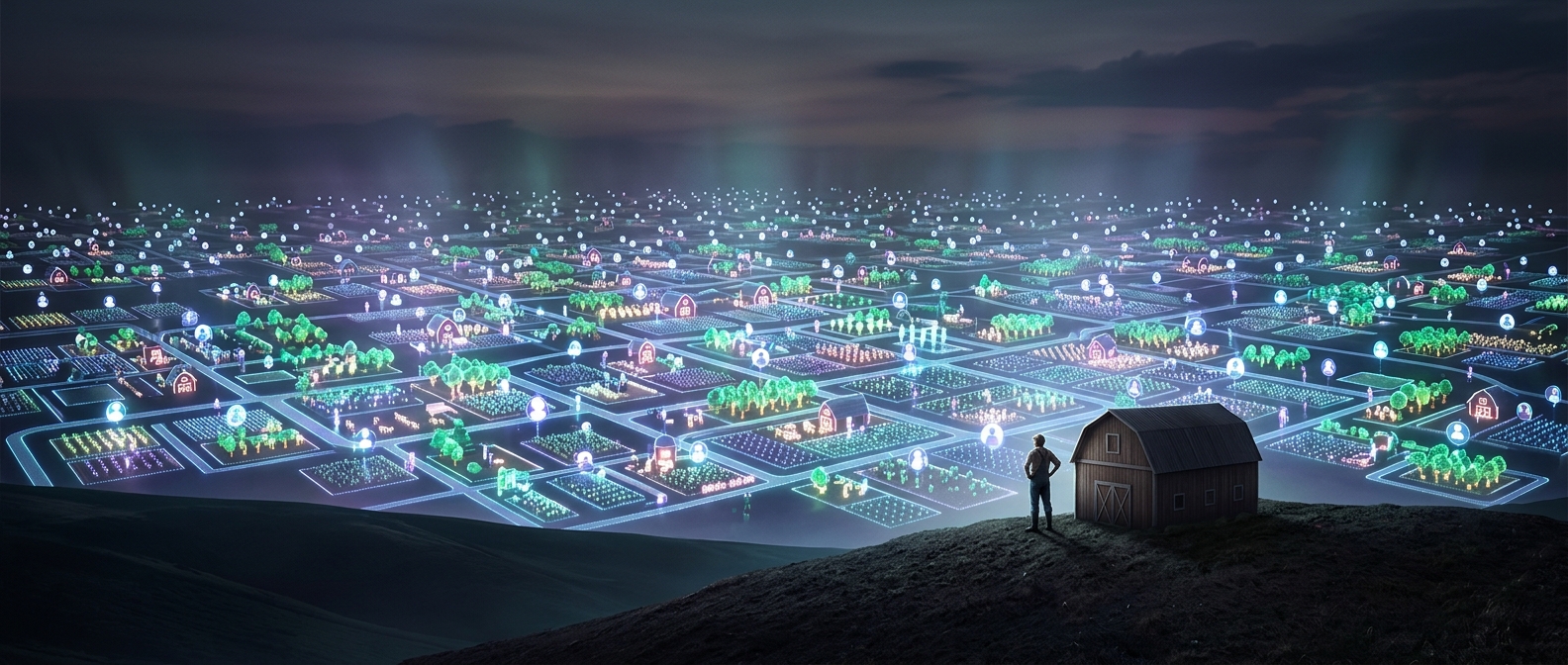
That combination helped the game travel. A neighbor’s activity could prompt someone else to join, while the game’s simple actions made it easy for newcomers to understand what to do. Its enormous audience was therefore not only a crowd playing the same game; it was a network of farms connected by small, repeated gestures.
The result was a game that fit around daily life instead of demanding a dedicated stretch of it. A few clicks could set up the next visit—and leave a friend’s farm as another stop along the way.