How a parachute can bring down an entire airplane
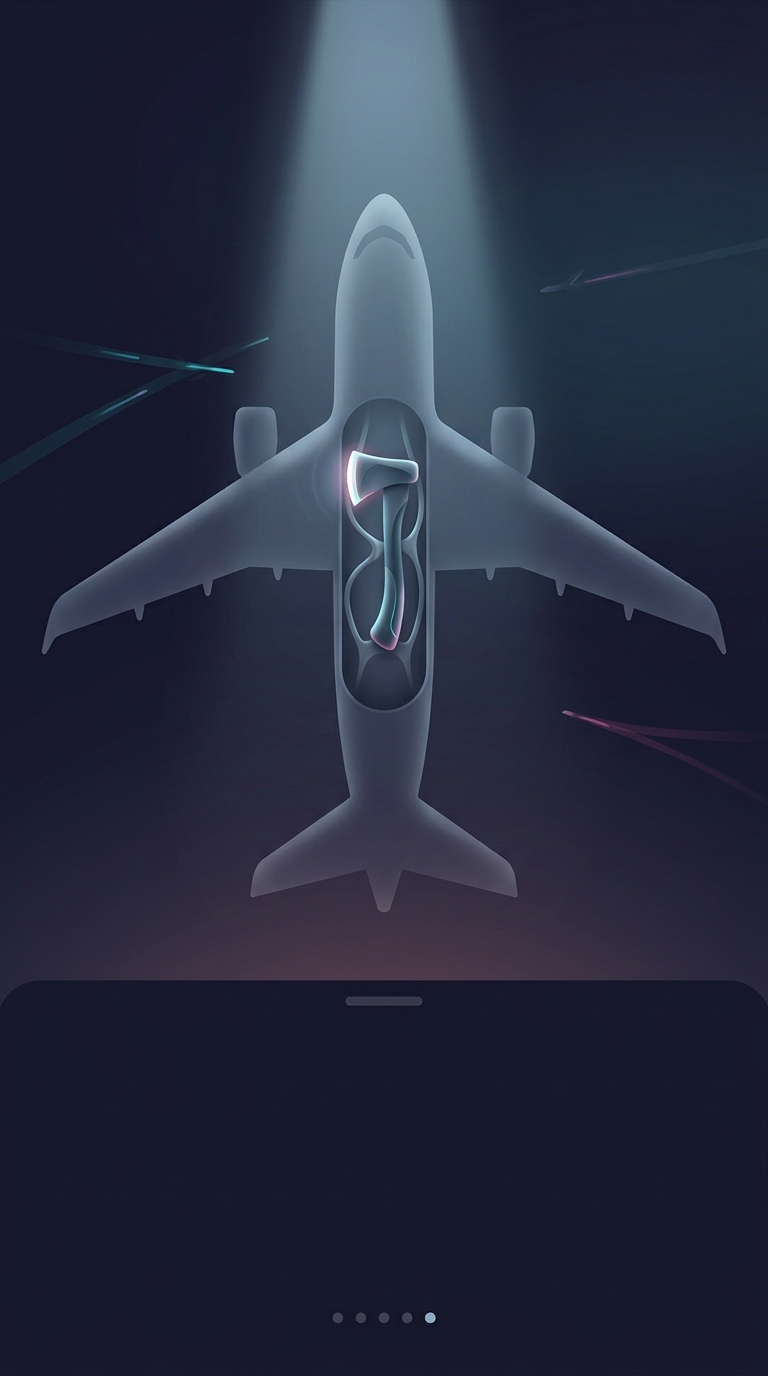
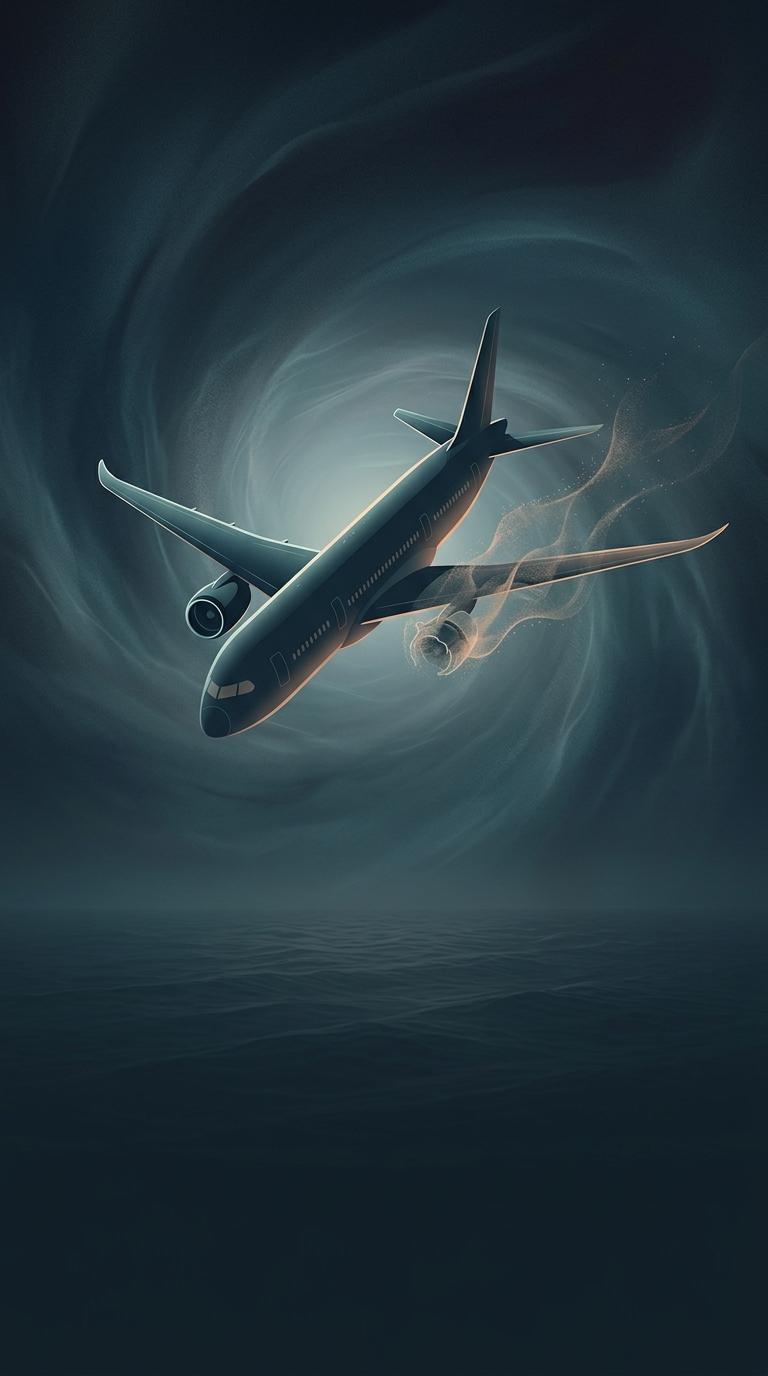
A whole-aircraft parachute works by changing what happens after a pilot can no longer keep flying. Instead of trying to glide to a runway, the pilot—or, in some emergencies, a passenger—activates a system that launches a compact rocket. The rocket pulls the folded parachute out into the airflow, where the canopy opens and slows the aircraft’s descent.
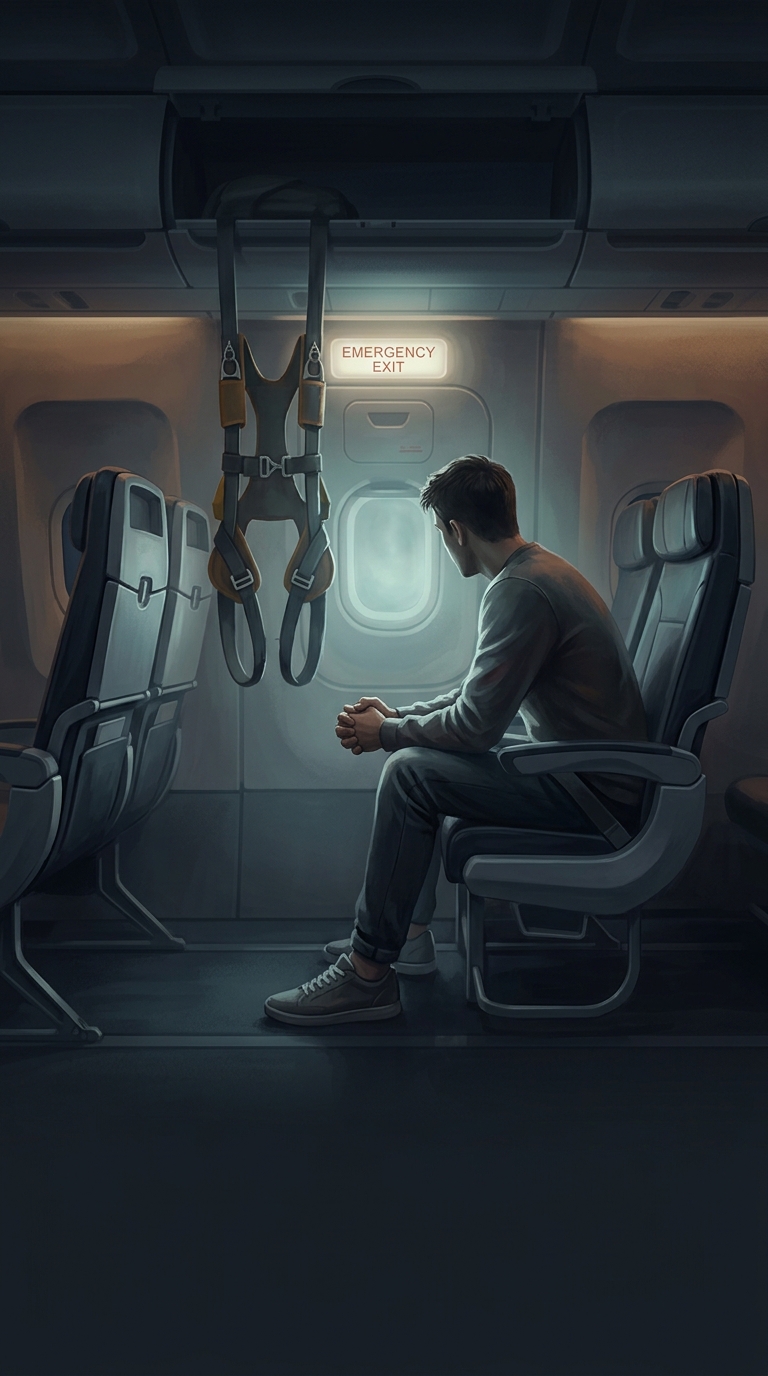
The airplane does not simply drift beneath the canopy like a person under a backpack parachute. Strong lines connect the canopy to attachment points built into the airframe, so the load is spread through the structure as the aircraft hangs beneath it. The system is designed to lower the plane and its occupants together; the landing may damage the aircraft, but preserving the people aboard is the priority.
A last resort with a timing problem
The system is most useful when continuing to fly or attempting a landing has become more dangerous—for example, after an engine failure or a pilot incapacitation, meaning the pilot cannot control the aircraft. But it is not a substitute for ordinary flying. The parachute needs enough time and altitude to deploy and slow the plane, so waiting too long can leave too little room for it to work as intended. Each aircraft’s system also has operating limits, which pilots must learn before an emergency.
That tradeoff shapes the design: the parachute, rocket, attachment points, and airframe have to function as one safety system, while adding equipment and weight to a small aircraft. Its most striking consequence is that an emergency landing no longer has to depend on finding a runway. The airplane can come down under a canopy, even if it cannot fly there.